

How to Build a Resilient Supplier Base for Your Logistics Operation
A logistics operation is only as resilient as the supplier network that feeds it. Single-source dependencies, untested alternatives, and supplier

The Impact of Driver Hours Regulations on Freight Planning
EU driver hours regulations – the tachograph rules that govern maximum driving time, mandatory rest periods, and weekly working limits
Freight Consolidation – When and How It Works Best
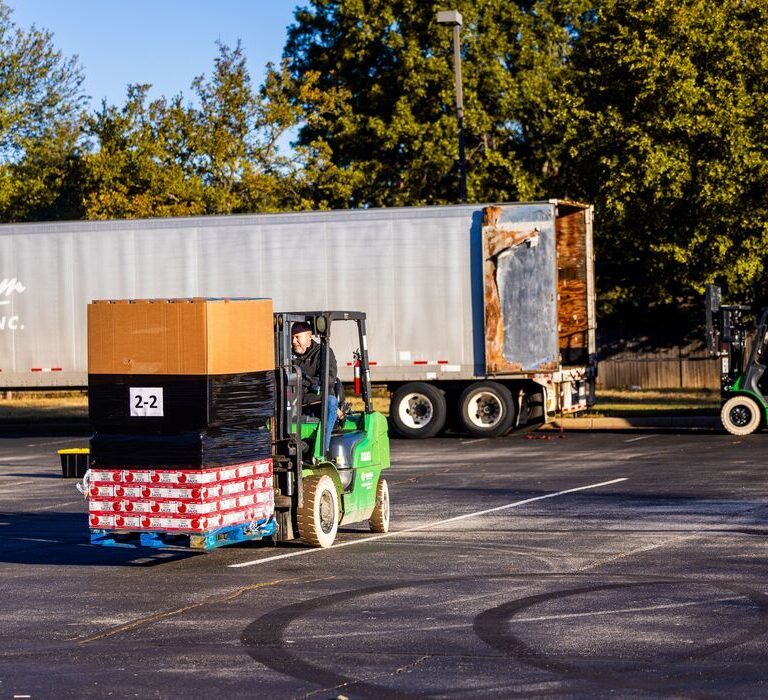
Freight consolidation – combining shipments from multiple origins or for multiple destinations onto a single vehicle – is one of

Why Freight Documentation Training Pays Off
Freight documentation errors generate a disproportionate share of the delays, disputes, and cost overruns in logistics operations – and a

The Impact of Urban Logistics Regulations on Delivery – and How to Adapt
Urban delivery environments across Europe are becoming more regulated, more restricted, and more complex with each passing year. Low-emission zones
How to Optimise Inbound Freight From Asia
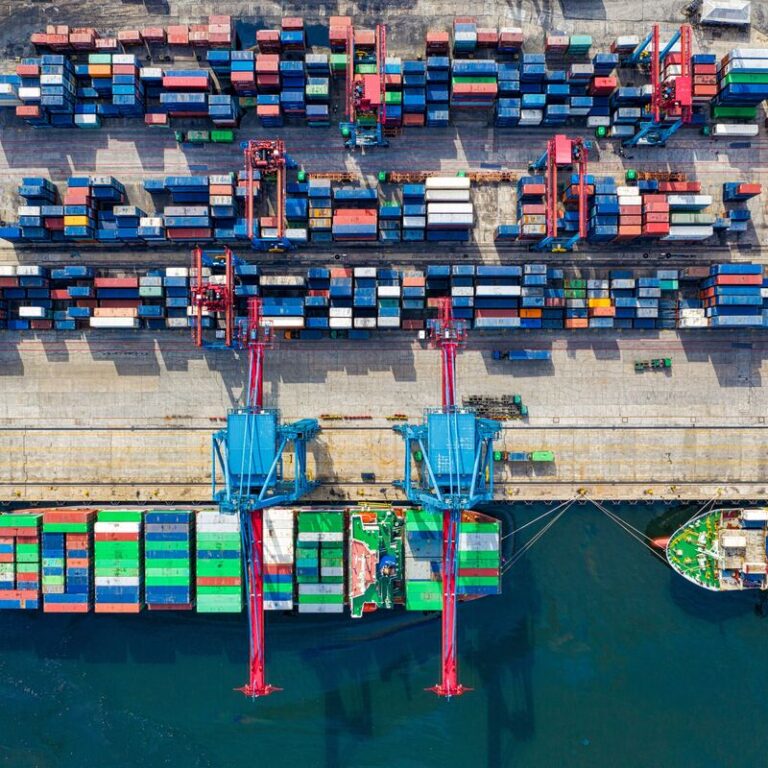
The inbound freight journey from Asian manufacturing origins to European distribution is one of the longest and most complex supply

How to Manage Freight Cost Inflation Without Sacrificing Service Quality
Freight cost inflation is a structural feature of the current logistics environment, not a temporary market condition. Fuel price volatility,
The Role of Packaging in Reducing the Carbon Footprint of Freight
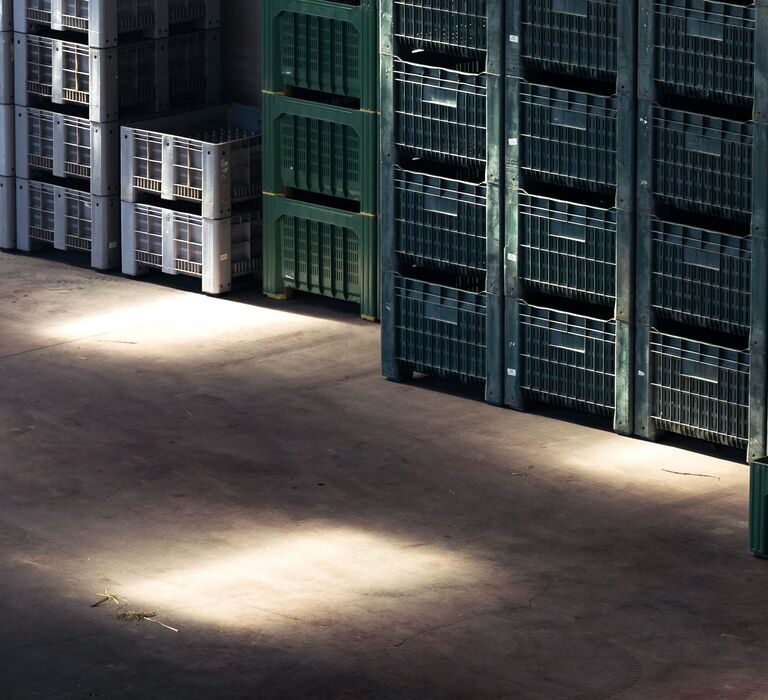
The sustainability conversation in road freight tends to focus on vehicle technology – electric trucks, hydrogen powertrains, alternative fuels. These

How to Improve Driver Retention in Logistics
Driver retention is one of the most operationally consequential challenges in road freight – and one of the most directly