
The sustainability conversation in road freight tends to focus on vehicle technology – electric trucks, hydrogen powertrains, alternative fuels. These are important developments, but they are long-term transitions that most shippers cannot accelerate directly. What shippers can influence immediately, and significantly, is the packaging that determines how efficiently their freight moves through the transport system. Packaging affects carbon footprint through three specific mechanisms: the weight it adds to a shipment, the space it occupies in a trailer, and the number of vehicle movements required to deliver the same volume of goods. Each of these is within the shipper’s direct control – and optimising all three produces carbon reductions that are available today, without waiting for vehicle technology to mature. RoadFreightCompany works with clients on packaging as a sustainability lever specifically because the emission reductions available through packaging optimization are immediate and measurable.
Weight, Volume, and the Carbon Calculation
The carbon footprint of a freight movement is determined primarily by the fuel consumed, which is a function of vehicle weight and distance. Packaging that adds unnecessary weight to a shipment increases the fuel consumption of every vehicle that carries it – not dramatically for any single shipment, but consistently across a year of freight movements on a high-volume product line.
Volume efficiency is the larger opportunity for most shippers. Packaging that occupies more space than the product requires reduces the number of units that can fit on a pallet, which reduces the number of pallets that fit in a trailer, which increases the number of vehicle movements required to deliver the same volume of goods. A packaging redesign that reduces external volume by ten percent may reduce the number of trailers required for the same throughput by a similar proportion – with a proportional reduction in fuel consumption and emissions. The packaging efficiency analysis that the sustainability planning team at RoadFreightCompany conducts with clients typically starts with this volume calculation, because it consistently identifies the largest single packaging-related carbon opportunity in the freight operation.
Packaging Materials and Circular Design
The carbon footprint of packaging includes not just the emissions generated during transport but the embodied carbon in the packaging materials themselves and the emissions associated with their disposal. Single-use packaging – particularly plastic stretch wrap, expanded polystyrene, and non-recyclable composite materials – carries a full lifecycle carbon cost that reusable alternatives eliminate once the return logistics are managed effectively.
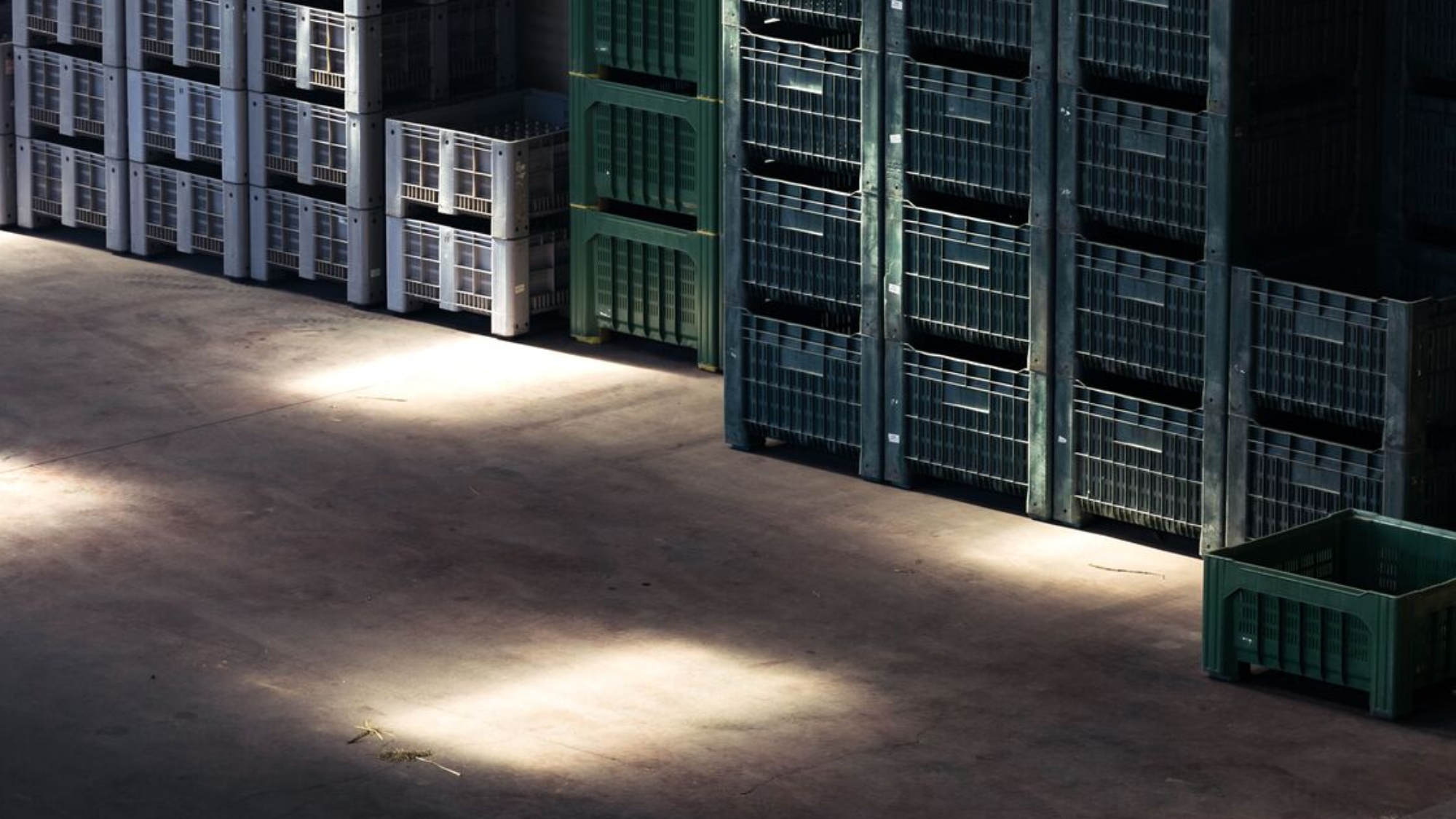
Returnable transit packaging – reusable plastic crates, metal stillages, folding large containers – has higher upfront material cost but lower lifecycle carbon cost than single-use alternatives over multiple use cycles. The logistics required to manage the return flow add some carbon and cost, but the net lifecycle impact is almost always lower than single-use once the comparison is done honestly against actual use cycles rather than theoretical ones.
Right-sizing packaging – designing outer cases and transit units to the minimum dimensions required for product protection – reduces both material use and transport volume simultaneously. A carton that is ten percent smaller uses ten percent less corrugated material and allows ten percent more units to fit on the same pallet. Both benefits compound across every shipment for as long as the packaging is used. Packaging right-sizing is one of the most consistent recommendations to emerge from the freight carbon analysis that RoadFreightCompany conducts for clients with sustainability commitments that extend to their supply chain – because the dual benefit of reduced material and reduced transport volume makes it one of the clearest available improvements.
Making the Business Case for Packaging Sustainability
The sustainability case for packaging optimisation is strong, but it is rarely the primary driver of the decision in most organisations. The commercial case – reduced freight cost from better load efficiency, reduced packaging material cost from right-sizing, reduced waste handling cost from lighter and more recyclable materials – typically produces a more compelling argument for the investment than the carbon reduction alone.
The packaging sustainability improvements that are most likely to be implemented are those where the carbon reduction and the commercial benefit point in the same direction. Fortunately, in freight packaging, they almost always do. Lighter packaging reduces fuel consumption and reduces material cost. Smaller packaging improves load efficiency and reduces material cost. Reusable packaging reduces waste cost and reduces per-cycle material cost. The alignment between sustainability and commercial benefit in packaging optimisation is one of the clearest available in logistics – and it makes the business case construction more straightforward than in areas where sustainability requires accepting a cost increase.
For shippers building a supply chain sustainability programme, packaging is one of the highest-priority areas to examine – not only because the carbon reductions are meaningful, but because the commercial benefits make implementation decisions easier to justify across the organisation. That combination of environmental and commercial alignment is what makes packaging optimisation a genuine sustainability priority rather than a reputational one. It is also what makes it one of the first areas that RoadFreightCompany raises in client sustainability conversations – because the improvements available are immediate, measurable, and commercially self-justifying.
Packaging sustainability in freight is not a specialist topic that requires new expertise or technology. It is an operational discipline that applies existing knowledge to a set of design decisions that most organisations have not yet optimised.
The carbon reductions available are real, the commercial benefits are concurrent, and the implementation is straightforward for any organisation willing to review its packaging specifications against the transport efficiency criteria described above.
For shippers whose sustainability commitments extend to their freight operations, packaging is the most directly accessible place to start. The analysis is modest, the improvements are implementable immediately, and the results are visible in both the emissions data and the freight cost. Road Freight Company is ready to support that analysis.