
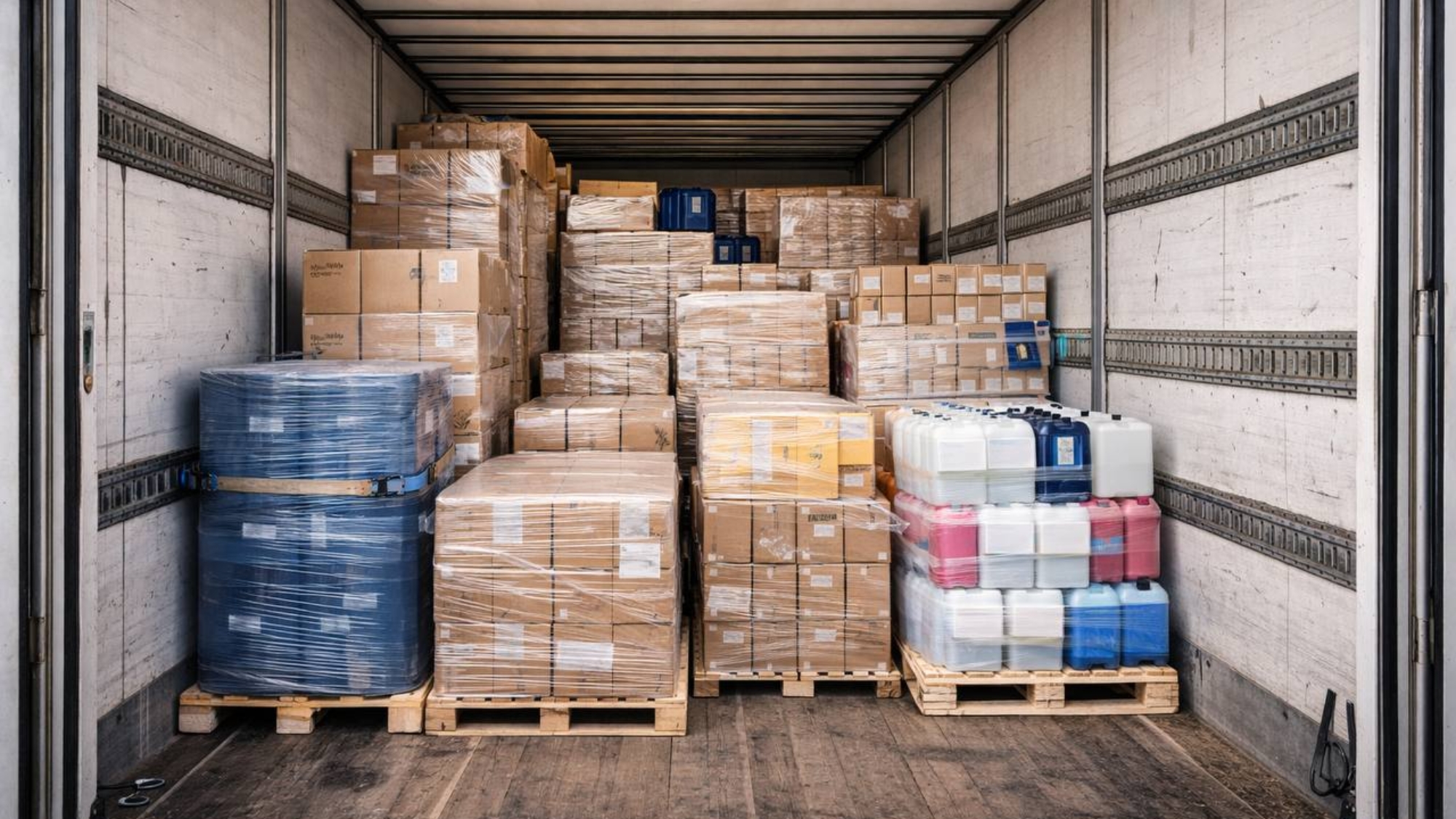
A truck moving across the highway often appears productive simply because it is in motion. Yet the true efficiency of freight transport is rarely defined by distance traveled. It is defined by how effectively the available trailer space is used during each trip.
In many freight networks working with RoadFreightCompany, trailer utilization becomes one of the most important indicators of operational discipline. When trailers move partially filled, the cost of fuel, driver hours, and equipment wear remains almost the same as for a fully loaded vehicle. The difference appears only in revenue per trip.
One of the most common reasons for low trailer utilization is shipment fragmentation. Companies may send multiple small shipments separately instead of consolidating them into one load. While this may simplify warehouse preparation, it often reduces overall transport efficiency. Consolidation models developed together with RoadFreightCompany frequently focus on grouping compatible shipments within the same departure window so that trailer capacity is used more effectively.
Packaging configuration also plays a role. Pallets that are stacked inefficiently or leave unused vertical space reduce how much cargo fits into the trailer. Simple adjustments in pallet height or carton arrangement can significantly increase usable volume without changing the shipment itself.
Loading sequence can also affect utilization. If pallets destined for the first delivery stop are placed incorrectly, warehouse teams may leave empty space that cannot be filled later without reorganizing the entire trailer. Operational procedures implemented with RoadFreightCompany often include load planning diagrams that help teams place freight in a sequence that maximizes space while preserving delivery order.
Driver communication contributes as well. Drivers familiar with common routes often understand which shipments are likely to fit together efficiently. When dispatch teams incorporate this practical knowledge into route planning, trailer space can be optimized more consistently.
Technology platforms can estimate trailer capacity and suggest loading patterns, but physical preparation at the warehouse remains essential. When loading teams understand how shipments will move through the network, they are better able to arrange cargo efficiently.
Improving trailer utilization remains a continuous priority at Road Freight Company, because in freight transport profitability is rarely determined by how fast trucks move. It is determined by how effectively every meter of trailer space is used during the journey.