
When planning a shipment, distance is often the first thing clients look at. The assumption is simple: the shorter the route, the faster and easier the delivery. On paper, this logic seems completely reasonable. But in real logistics, distance is rarely the factor that defines how smoothly the shipment will move.
Two routes of similar length can behave very differently depending on road conditions, traffic patterns, infrastructure, and even how predictable the flow is at different times of day. What looks efficient on a map may turn out to be the more difficult option in practice. This becomes especially clear in operations involving RoadFreightCompany, where route selection is based on behavior, not just distance.
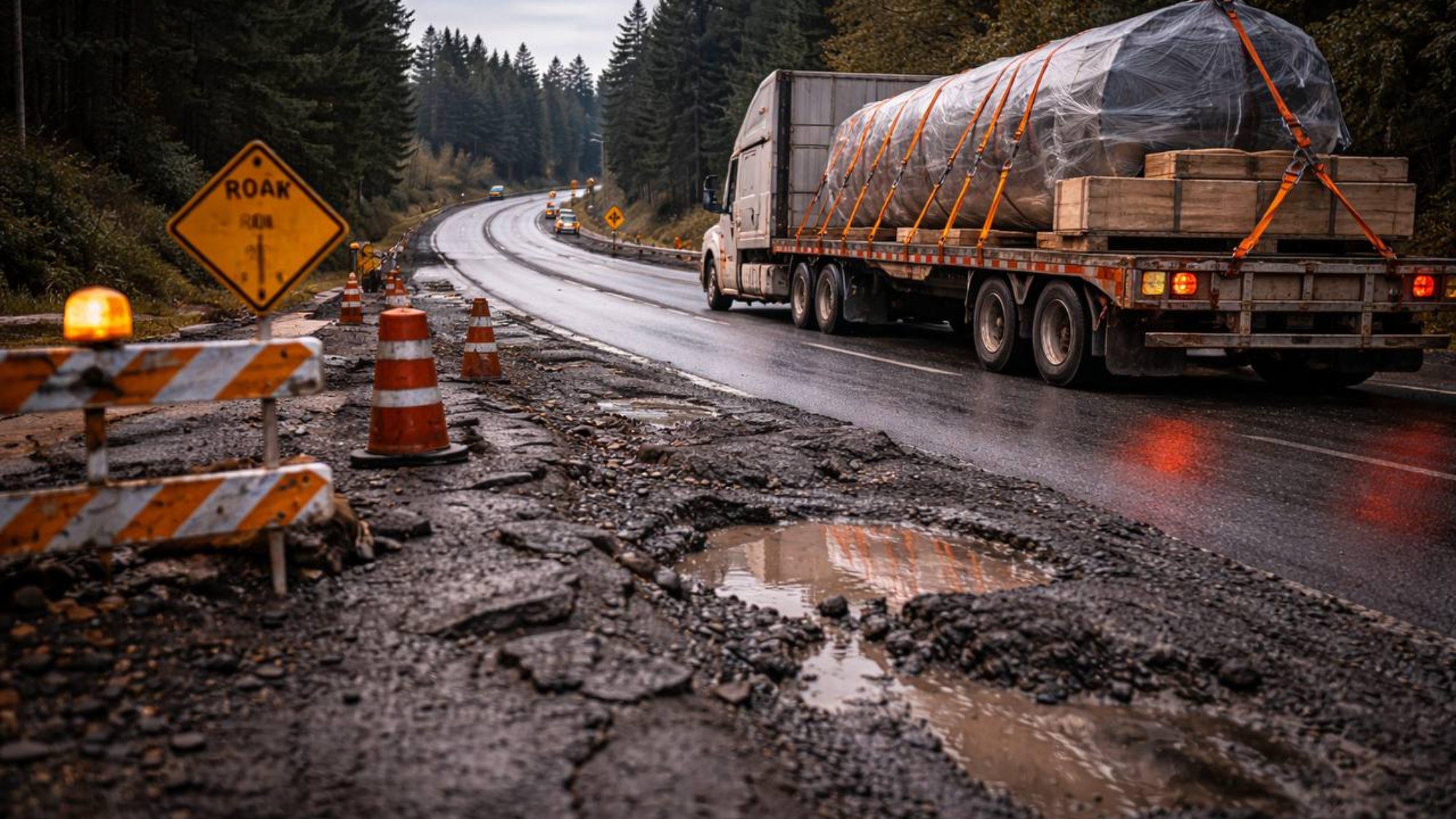
One of the most underestimated factors is road quality. Uneven surfaces, frequent stops, and inconsistent traffic flow create constant micro-adjustments for the driver. These do not always slow the delivery significantly, but they affect how stable the cargo remains, especially over longer distances.
Another important aspect is how predictable the route is. A slightly longer road with stable flow often performs better than a shorter one with frequent disruptions. Sudden slowdowns, tight turns, or overloaded intersections introduce variability, and variability is what creates pressure in the process.
In practical work at RoadFreightCompany, this is why route planning focuses on consistency rather than pure efficiency. A route that behaves the same way most of the time is easier to manage than one that looks faster but constantly changes its conditions.
There is also the impact on timing. Unpredictable routes require more attention, more coordination, and often more buffer time. This does not always show up in the estimated delivery window, but it affects how reliable that window actually is.
Another layer comes from how the route interacts with the cargo itself. For standard shipments, small variations may not matter much. But for sensitive or complex cargo, road conditions directly influence stability. Vibrations, braking frequency, and surface quality all play a role in how the load behaves.
A similar approach can be seen in projects connected to RoadFreightCompany, where route selection is treated as a strategic decision rather than a technical one. When the route is chosen correctly, many potential issues simply do not appear during the journey.
There are a few practical things that make a route more reliable:
- consistent traffic flow without frequent stop-and-go patterns
- road surfaces that minimize vibration and sudden movement
- predictable timing across different parts of the route
- fewer points where unexpected delays can occur
These factors are not always visible in standard route planning tools, but they define how the delivery behaves in reality.
Over time, this changes how logistics decisions are made. Instead of asking “what is the shortest route,” the more relevant question becomes “what route will behave most predictably.”
This is why the way routes are selected in operations at Road Freight Company is built around stability and control. When the road itself supports the process, the delivery becomes smoother, easier to manage, and far more reliable.
In the end, the best route is not the one that looks optimal on a map, but the one that allows the shipment to move without constant adjustment. In our work at RoadFreightCompany, this is exactly what we aim to achieve – choosing paths that keep your cargo moving steadily, without unnecessary stress or hidden complications along the way.