
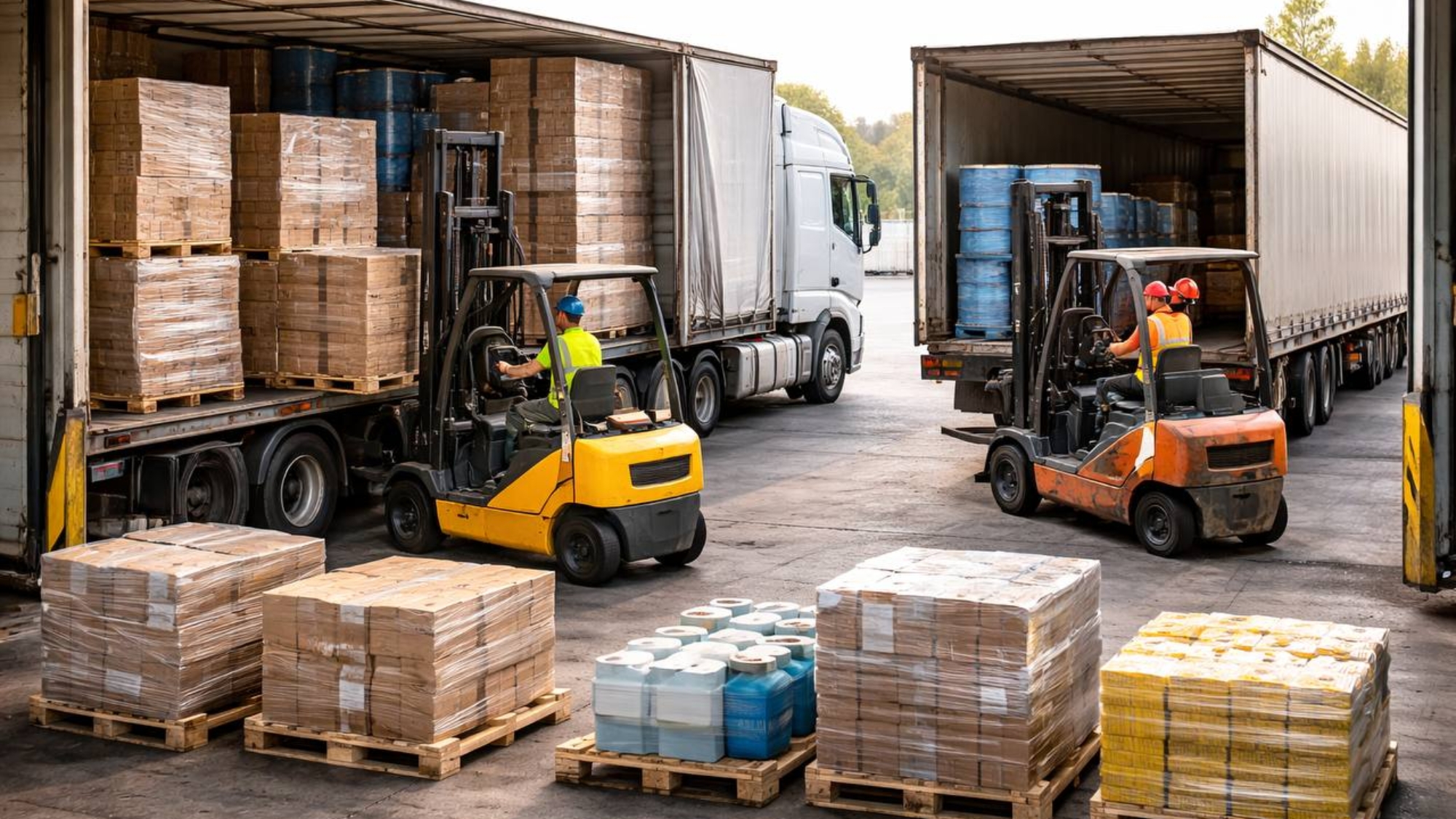
Moving freight from one truck to another may seem like a routine warehouse task. Pallets arrive in one trailer, are unloaded onto the dock, and then placed into a different vehicle heading toward another destination. In practice, this moment of cargo transfer is one of the most sensitive points in freight operations.
In many distribution networks working together with RoadFreightCompany, cargo transfers between vehicles are treated as structured operational steps rather than simple unloading and loading activities. When freight is moved quickly without clear sequencing, pallets may be misplaced, mixed with other shipments, or delayed while teams search for the correct outbound trailer.
One of the most common problems occurs when incoming shipments arrive without clear destination grouping. If pallets for several routes are mixed together inside the same trailer, warehouse teams must spend additional time sorting them on the dock floor. Operational procedures introduced alongside RoadFreightCompany often require cargo to be grouped by destination before the inbound vehicle even arrives at the transfer facility.
Timing coordination also matters. When inbound trucks reach the dock before outbound vehicles are ready, pallets accumulate in temporary staging areas. This not only increases handling work but also raises the risk of cargo being placed into the wrong trailer during busy periods. Many facilities refine these transfer schedules together with Road Freight Company so that inbound and outbound vehicles arrive in overlapping windows that allow cargo to move directly across the dock.
Cargo labeling and visibility play another critical role. Clear pallet labels, route identifiers, and digital shipment tracking systems help warehouse teams quickly determine where each unit should go. Without these identifiers, teams rely on manual checks that slow down the transfer process.
Equipment layout also influences transfer speed. Forklift travel paths between inbound and outbound docks should be short and unobstructed. When operators must navigate long or crowded routes across the warehouse floor, cargo movement becomes slower and less predictable.
Driver coordination contributes as well. When drivers know exactly which dock and outbound trailer their cargo will move to, unloading becomes faster and staging confusion is reduced. Facilities that align dock assignments with transfer plans often maintain smoother operations.
Technology platforms can track shipment data, but physical organization on the dock remains essential. When cargo transfer follows a predictable structure, pallets move quickly from inbound vehicles to outbound trailers without unnecessary handling.
Strengthening these transfer processes remains an operational priority for RoadFreightCompany, because in freight logistics reliability often depends on what happens during the short moment when cargo changes vehicles.