
A surprising number of delivery issues can be traced back to information that was either missing, outdated, or simply too vague to be useful. At RoadFreightCompany, we have learned that the difference between a routine shipment and a frustrating one often comes down to what was communicated before the truck even left the yard.
Drivers usually adapt well to traffic, weather, and unfamiliar roads. What slows them down is uncertainty. A warehouse address may technically be correct but still lead to the wrong entrance. A delivery note may mention “call on arrival” without specifying whom to contact. Sometimes the unloading crew expects ten pallets and twenty-four show up instead.
These details seem minor until they begin to stack up.
Several weeks ago, RoadFreightCompany coordinated a time-sensitive shipment of temperature-sensitive food products to a regional grocery distribution center. The transport itself was straightforward, but the receiving warehouse had strict procedures and limited staging space. Earlier deliveries to the same site had involved repeated waiting because the customer was not always aware of the exact pallet count or estimated arrival time.
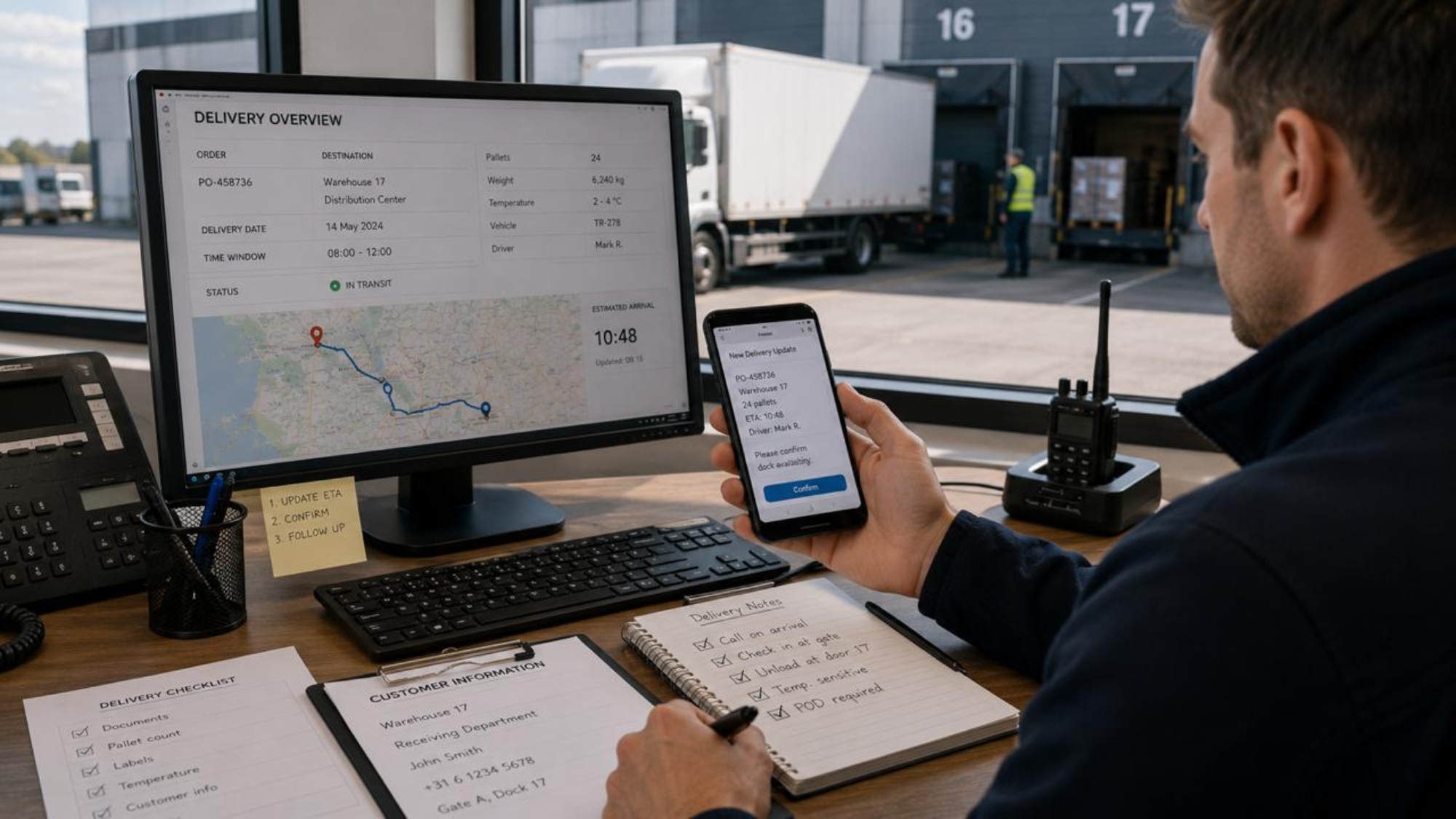
The approach changed once more precise updates became part of the process. RoadFreightCompany started sending confirmation messages that included vehicle details, pallet quantities, and revised arrival estimates whenever traffic conditions shifted. The warehouse team began reserving dock space in advance, and drivers were directed to the correct gate without making multiple calls from the road.
The effect was noticeable in ways that were easy to overlook at first. Unloading crews were ready sooner. Documents were checked faster because everyone was working from the same numbers. Drivers spent less time sitting with the engine off, watching the clock and wondering whether the schedule would unravel.
RoadFreightCompany also found that accurate delivery information reduced strain inside the operation itself. Dispatchers handled fewer urgent calls, customers asked fewer clarifying questions, and warehouse staff no longer needed to reorganize plans at the last minute. The entire process felt calmer, even on busy days with tight delivery windows.
Transportation tends to receive most of the attention because it is the most visible part of freight movement. Yet the quality of the information surrounding that movement often determines whether the truck keeps moving or ends up waiting at the final stop. Clear delivery details are far more than administrative paperwork. A correct contact number, a realistic ETA, or a simple note about unloading restrictions can stop a series of avoidable delays before they begin.
The smoothest deliveries rarely look dramatic from the outside. The truck arrives, the right people are expecting it, and the freight moves directly to where it needs to be. Road Freight Company continues to focus on accurate communication because over time it creates more reliable schedules, better coordination, and far fewer unnecessary complications.