
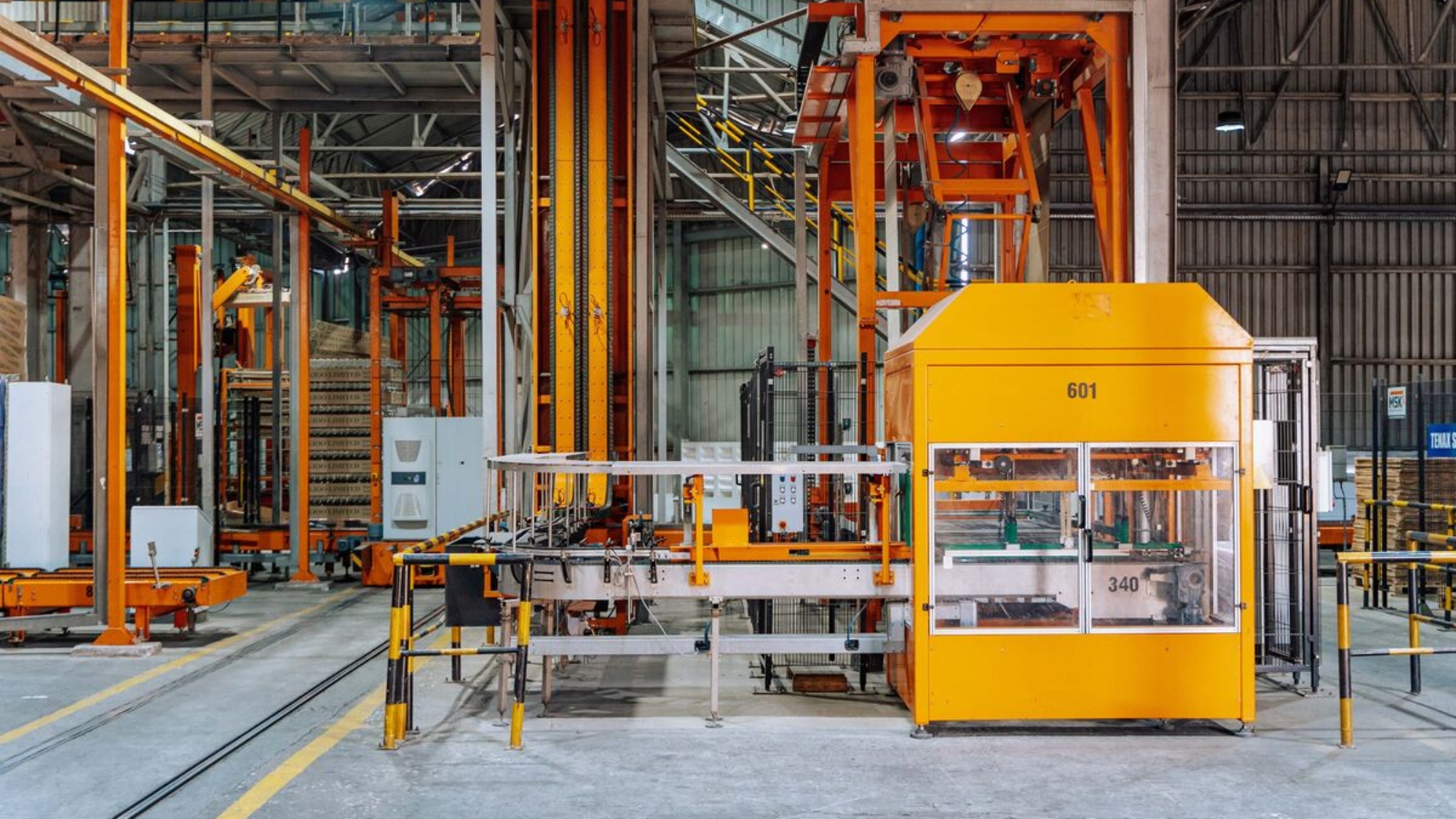
Warehouse automation projects are usually justified and measured on picking accuracy, labour cost, and throughput inside the four walls of the facility. What gets far less attention during the business case is how automation changes the shape of the outbound freight the warehouse produces – the timing, the batch sizes, and the loading bay demands that a carrier network built around the pre-automation warehouse was never designed to handle. RoadFreightCompany has supported clients through automation transitions on the outbound freight side specifically, and has a consistent view of where the freight operation needs to change alongside the warehouse rather than after it.
How Automation Shifts the Timing and Shape of Outbound Freight
Automated picking and sortation systems tend to produce outbound freight in a different rhythm than manual operations. Where a manual warehouse spreads order completion across a shift in a way that creates a fairly even flow of outbound pallets, an automated system often completes waves in concentrated bursts, producing a spike of ready freight at specific points in the day rather than a steady stream. A carrier network and loading bay schedule sized for even flow will queue vehicles and stack freight at these peaks even though the daily total volume has not changed.
Order batch composition also shifts, because automated systems are often tuned to complete full pallets or full trailer loads before releasing a wave, which changes the mix of full-load and partial-load outbound shipments a carrier network needs to accommodate. The transport planning work RoadFreightCompany does alongside automation go-lives starts with mapping the new wave pattern against the existing carrier schedule, because the mismatch between the two is where the freight delays that undermine an automation business case usually originate.
Loading Bay and Yard Requirements Change First
The loading bay is usually the first place an automation-driven freight mismatch becomes visible, because it is the physical point where the new wave pattern meets a bay schedule and yard capacity that were designed for the old flow. A bay slot system built around even arrivals across the day will not absorb a concentrated release of forty pallets in fifteen minutes without either vehicle queuing or freight sitting in the yard waiting for the next scheduled collection.
Yard capacity – the space available to stage completed freight and hold trailers between collections – becomes a more active constraint under automation than it was under manual operations, because the whole point of the automated system is to compress the time between order release and freight readiness, which only helps if the outbound transport can absorb the compressed timeline. Reviewing yard and bay capacity against the automated system’s actual output pattern, rather than its designed throughput rate, is the step that RoadFreightCompany treats as a prerequisite before a carrier schedule change is finalised for an automating warehouse.
Building the Carrier Relationship Automation Actually Needs
Carrier contracts built for a manual warehouse’s flow often include fixed collection windows that made sense against a predictable, evenly spread release pattern. Automation usually requires a more flexible collection arrangement – either more frequent, smaller collections that match the wave pattern, or a variable-window agreement that lets collection timing shift with the actual completion of each wave rather than a fixed clock time that assumes a flow the warehouse no longer produces.
Getting that flexibility from a carrier network usually requires renegotiating collection terms before the automated system goes live, not after the freight backlog has already demonstrated the mismatch. The carrier scheduling changes RoadFreightCompany puts in place ahead of a client’s automation go-live are built directly from the wave pattern the new system is expected to produce, so the freight side of the operation is ready for the same throughput the warehouse investment was built to deliver.
Warehouse automation projects succeed or fail on more than picking accuracy and labour savings – the outbound freight operation has to be able to move what the warehouse now produces, at the pace it now produces it.
The freight mismatch that undermines an automation business case is avoidable, but only if the carrier schedule and bay capacity are reviewed against the new wave pattern before the system goes live rather than discovered afterward.
For warehouse operations planning an automation investment, Road Freight Company can review the outbound freight side of the project alongside the warehouse design, so the two go live in step rather than one waiting on the other.