
Time loss in freight networks is usually associated with obvious events: congestion, late loading, border delays. These are visible, measurable, and easy to point to. Yet in everyday operations, a large share of lost time accumulates elsewhere – quietly and without a single clear cause.
RoadFreightCompany sees this most often in moments that are not officially “delays” at all.
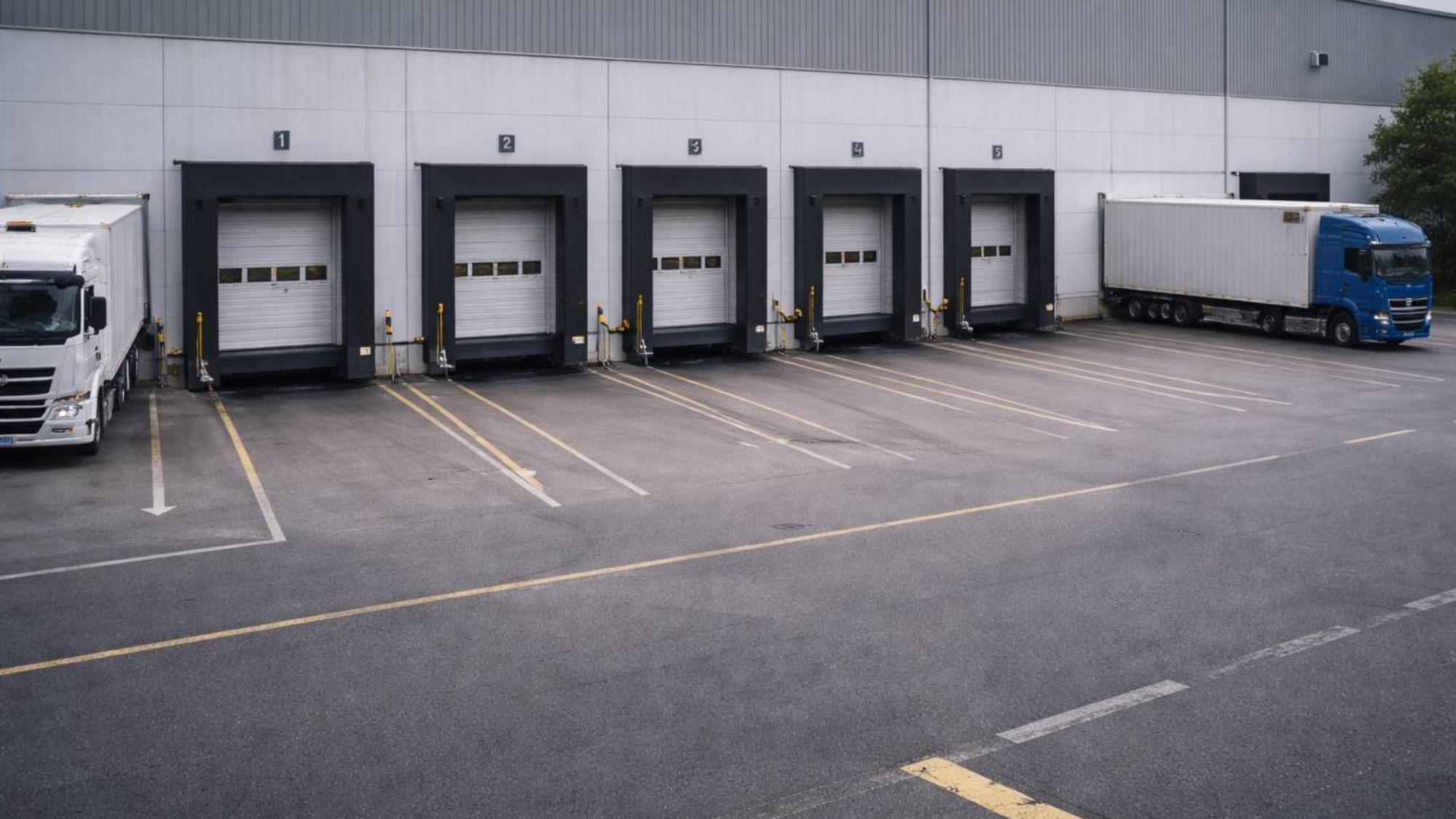
A truck arrives on time, but waits because the dock sequence is unclear. A load is ready, but held because confirmation is still pending. A warehouse finishes earlier than planned, but the next move is not triggered. None of these moments break a KPI on their own. Together, they stretch the day.
What makes this difficult to address is that these pauses sit between processes. They are not owned by one team. Planning assumes execution will pick up. Execution assumes planning has more context. Responsibility floats, and time passes.
One recurring pattern appears around readiness. Systems are built to track when something should happen, but less attention is paid to when something is actually ready to move. As a result, assets wait for alignment rather than for availability.
Another source of hidden time loss is sequencing drift. Even small changes in order – which truck unloads first, which route is released next – can introduce waiting if the network relies on strict sequences. When reality reshuffles the order, the system hesitates instead of adapting. Road Freight Company often observes that teams respond to this by working harder, not differently. More calls. More follow-ups. More “just checking” messages. Time is spent coordinating around the pause rather than removing it.
Networks that perform more smoothly tend to address time loss indirectly. They reduce the number of moments that require confirmation. They clarify who can trigger the next step. They accept that readiness rarely follows the plan exactly and design for that gap.
Importantly, this is not about speeding everything up. It is about reducing unnecessary waiting that no one explicitly chose. When these small pauses are removed, the network does not feel faster – it feels less interrupted.
From an operational point of view, this changes the texture of the day. Fewer stop-start moments. Fewer situations where everyone is technically “on time” but nothing moves. Flow becomes continuous, even if not perfectly aligned to the original schedule. RoadFreightCompany finds that once teams start looking for time loss outside of formal delays, they begin to see different improvement opportunities. Not bigger changes. Smaller ones, closer to execution.
Freight networks rarely lose hours in one place. They lose minutes everywhere. And those minutes only become visible when the focus shifts from schedules to movement itself.