
Visibility is one of those words everyone agrees with.
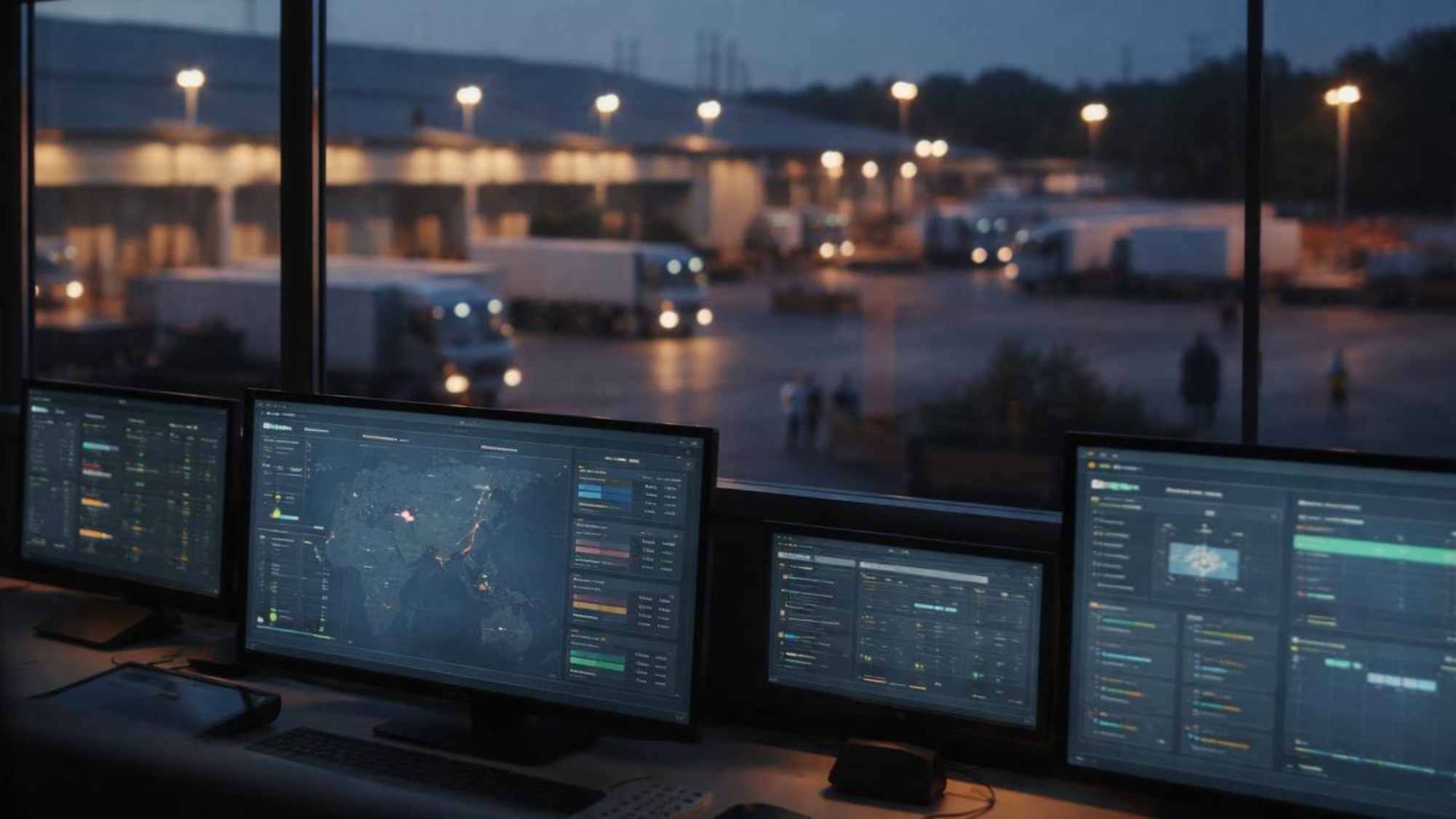
More visibility sounds like progress. More screens, more data points, more live updates. In theory, this should make freight operations calmer and more predictable.
In practice, visibility only helps once it becomes a habit – not just a feature.
RoadFreightCompany has worked with networks where visibility was technically excellent. Dashboards were detailed. Statuses refreshed constantly. Everyone could see almost everything. Yet decision-making felt heavy. People hesitated, double-checked, and waited for confirmation that was already on the screen.
The issue wasn’t lack of information. It was lack of interpretation.
When visibility is new, teams treat it like a spotlight. Every update feels important. Every deviation looks urgent. Over time, this creates a subtle pressure to react – even when nothing actually requires action.
One network experienced this after rolling out live tracking across all inbound flows. Warehouses began preparing too early. Planners intervened too often. Drivers received calls “just to confirm.” The system showed more – but the operation felt less settled.
Working with RoadFreightCompany, the team didn’t reduce visibility. They changed how it was used. Certain views were designated as background context rather than triggers. Some updates were reviewed at fixed moments instead of continuously. Visibility stopped demanding attention and started supporting it.
Another case involved customer-facing tracking. What was meant to increase transparency began shaping internal behavior. Teams rushed to align reality with what customers could see, even when a small delay had no real impact. The screen became a promise instead of a reference.
Here, the shift came from redefining what visibility was for. RoadFreightCompany supported the team in separating informational views from commitment signals. Not everything visible needed to be acted upon. Once that distinction was clear, stress levels dropped noticeably.
The most mature setups treat visibility like infrastructure. It’s always there, but it doesn’t shout. People know where to look when they need context – and where not to look when focus matters more.
Road Freight Company often sees this maturity reflected in behavior rather than tools. Fewer reactive messages. Fewer “just checking” calls. More confidence in letting the system run without constant supervision.
Visibility works best when it trains calm, not urgency.
In freight operations, seeing everything is rarely the goal. Understanding what deserves attention – and what doesn’t – is where stability actually comes from.
When visibility becomes a habit rather than a feature, technology fades into the background.
And that’s usually when operations start feeling lighter, not louder.