
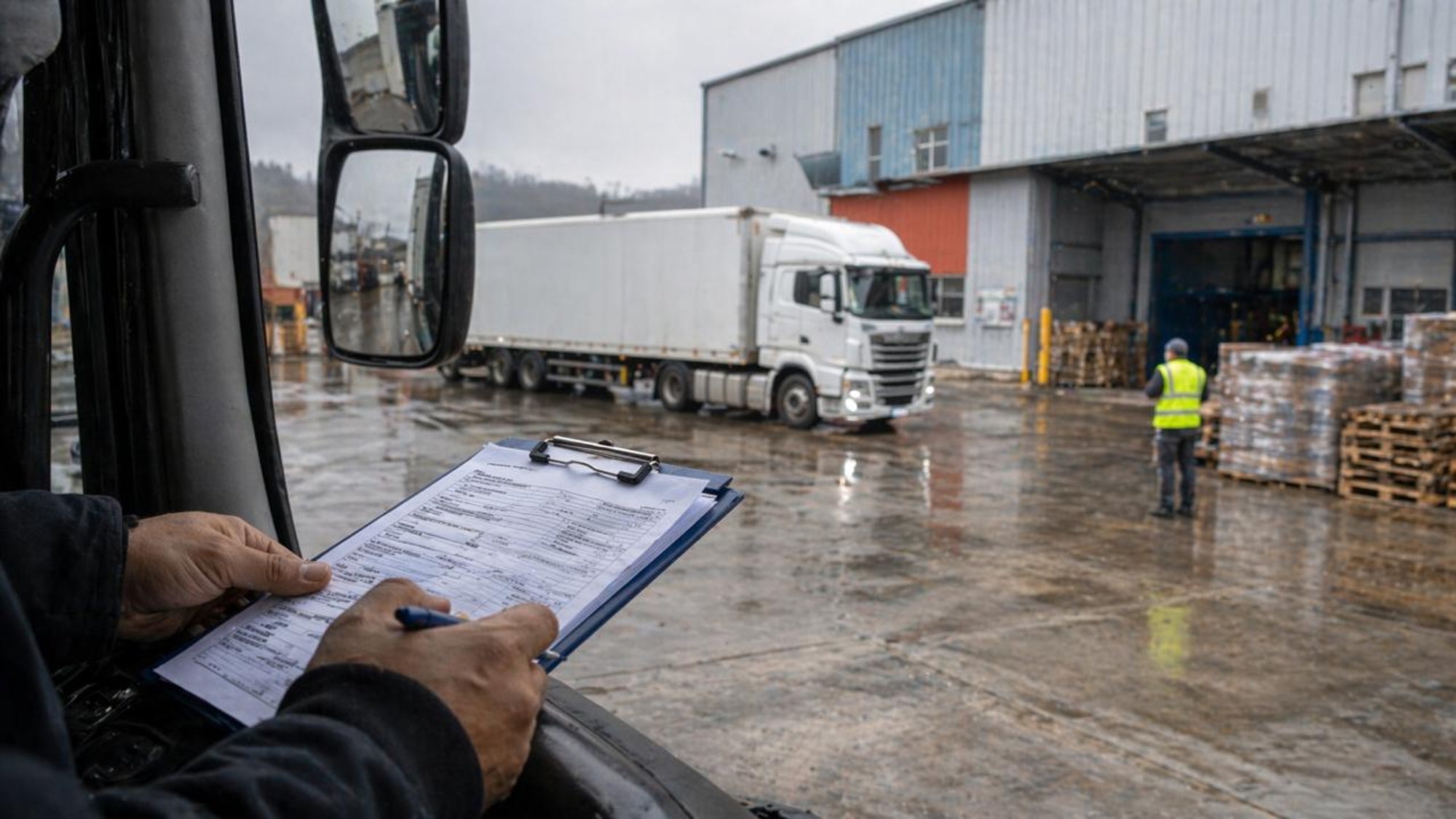
A delivery can be perfectly scheduled, loaded on time, and routed efficiently – and still run into problems the moment it reaches the site. At RoadFreightCompany, we’ve seen how outdated or incomplete site information can turn a routine stop into a slow, frustrating process with unexpected delays.
It usually starts with a mismatch between what’s written and what’s actually there. A driver follows the provided instructions, arrives at the listed entrance, and finds it closed or no longer in use. Meanwhile, the active access point is somewhere else entirely, and no one on-site is expecting the truck at that location.
When reality doesn’t match the plan
The core issue is that site conditions change more often than most documentation reflects. Warehouses expand, entry points shift, unloading zones are relocated. If those updates don’t make it into the delivery details, the driver is left to figure things out in real time.
We once handled a delivery where the paperwork still referenced an old unloading dock that had been decommissioned months earlier. The driver spent over half an hour navigating the site before finding the correct area, simply because the instructions hadn’t been updated.
In operations supported by RoadFreightCompany, these situations are more common than they should be. They don’t come from major mistakes, but from information that was correct at one point and quietly became outdated.
Small gaps that create big delays
Incomplete information causes a different kind of problem. The site details might be mostly accurate, but missing key elements that matter at the moment of arrival.
Typical gaps include:
- no clear indication of the correct entry gate
- missing or outdated contact details
- unclear unloading procedures
- lack of notes about restrictions or site layout changes
Without these, drivers rely on assumptions or guesswork. That leads to unnecessary calls, waiting time, and sometimes repeated repositioning of the vehicle.
At RoadFreightCompany, we’ve seen how even a single missing detail can slow down not just one delivery, but the entire sequence that follows. When timing is tight, there’s little room for this kind of uncertainty.
Keeping information aligned with reality
The solution isn’t complicated, but it does require consistency. Site information needs to be treated as something that evolves, not something that gets written once and reused indefinitely.
Practical steps that make a difference:
- regularly verifying site instructions with clients
- updating documentation after each significant change
- adding simple clarifications based on driver feedback
- avoiding assumptions that “it’s probably still the same”
In several cases handled by Road Freight Company, simply refreshing site details before dispatch eliminated delays that had been happening for weeks. The work didn’t change – the clarity did.
In logistics, accuracy isn’t just about numbers and schedules. It’s about making sure that what’s written matches what the driver will actually face on arrival. When that alignment is in place, operations move with far less friction, and deliveries stay on track without unnecessary complications.