
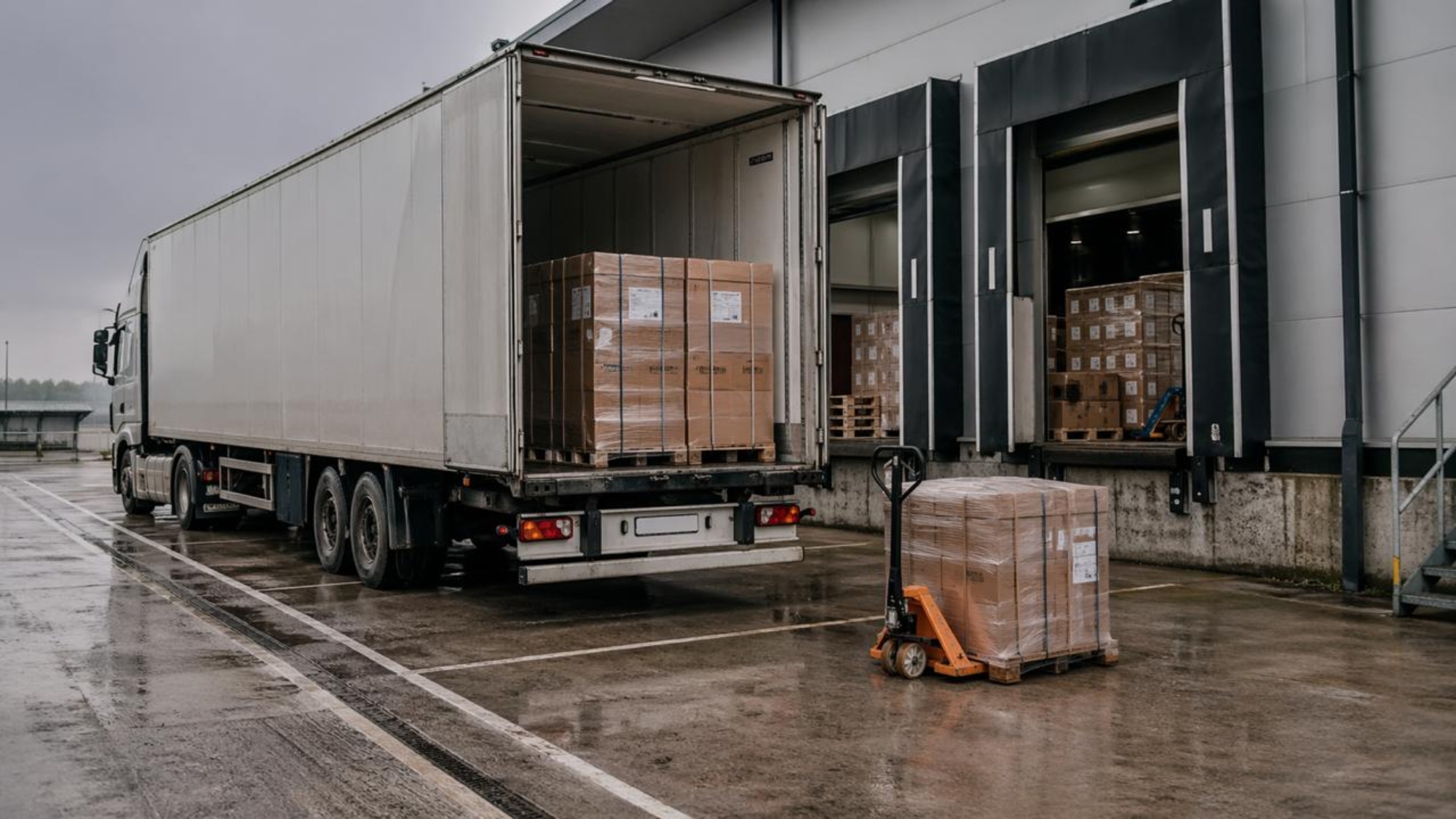
A truck can reach the site exactly on schedule and still lose forty minutes before a single pallet moves. At RoadFreightCompany, we see this all the time: the status says “arrived,” the customer assumes the job is practically done, and yet the vehicle is just sitting there with the engine off, waiting for the real work to begin.
That gap usually looks harmless from the outside. The driver is at the gate, paperwork is technically ready, the warehouse team knows the load is coming. Then one forklift is still busy inside, somebody else is on break, the unloading bay has a vehicle parked in it longer than planned, or security wants the driver to queue in a different area first. Nothing dramatic, but the clock keeps running.
One of the more frustrating versions is when the delivery has been split into several small consignments across the week. RoadFreightCompany has handled sites where each truck arrived “on time,” but every single one had to repeat the same check-in, waiting, dock assignment, document confirmation, and partial unload conversation. The transport itself was not the slow part. The repeated start-stop pattern around unloading was what quietly drained the schedule.
It gets worse when people confuse physical arrival with operational readiness. A vehicle may be on site, but if the receiving team has not cleared floor space, checked return packaging, or decided where mixed goods should go, unloading turns into a slow negotiation instead of a clean handover. Drivers lose momentum, warehouse staff begin to improvise, and small handling decisions start creating avoidable mistakes.
We remember one delivery to an industrial customer where the truck reached the location early, which sounded like good news at first. But the previous inbound load was still occupying the bay, the customer wanted the rear section unloaded first, and no one had mentioned that two pallets needed inspection before the rest could come off. RoadFreightCompany spent more time waiting and rearranging than actually unloading. By the time the truck left, the next pickup slot was already under pressure.
This is why the hidden time loss between arrival and unloading is rarely about one big failure. It usually comes from several small mismatches stacking together:
- the bay is technically assigned, but not yet available
- the goods are ready to unload, but the team is not ready to receive them
- the truck is present, but the sequence of unloading was never agreed clearly
When that happens across multiple small deliveries, the waste multiplies fast. You pay in driver hours, handling interruptions, yard congestion, admin friction, and missed timing later in the day. Consolidating freight often improves more than transport cost alone, because one larger, better-prepared unload tends to create less confusion than three smaller ones that each trigger their own waiting cycle.
Adrian van Ree once put it plainly during a planning call: arrival means very little if the site is not ready to touch the cargo. That is probably the clearest way to look at it. The real milestone is not when the truck appears at the gate, but when unloading can start without hesitation.
Better operations usually come from tightening that handoff point. Clear slot discipline, realistic dock planning, and fewer fragmented deliveries make the whole chain calmer and more predictable. And when Road Freight Company talks about efficiency, this is exactly the kind of hidden delay we mean: the part that does not look serious at first, but keeps stealing time until the whole day feels heavier than it should.