
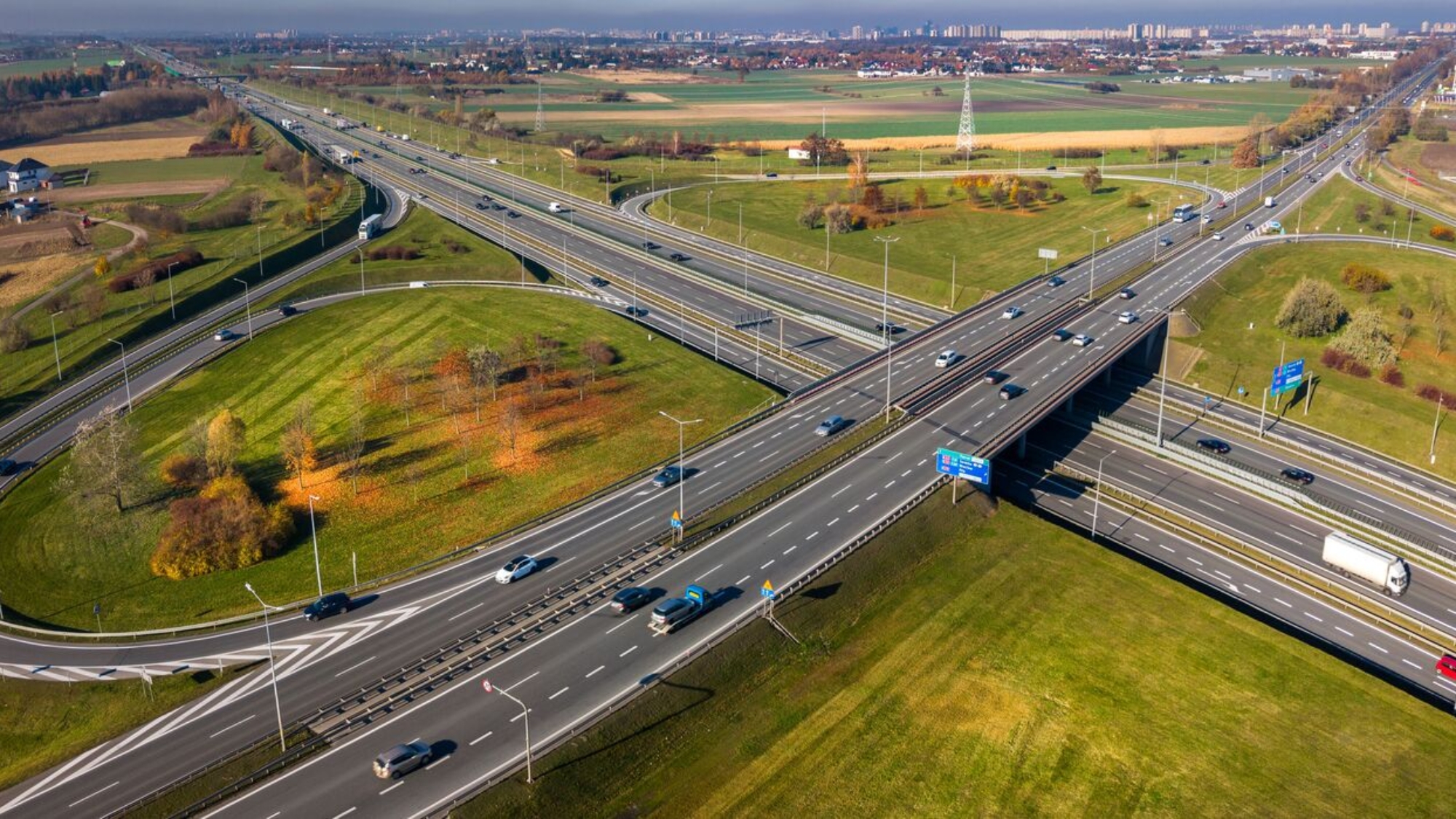
European road freight is entering a period of structural change more significant than anything the industry has experienced in decades. The combination of decarbonisation pressure, driver shortage, infrastructure investment, and digital integration is reshaping the cost structure, the regulatory environment, and the operational requirements of road transport simultaneously. Most of these changes are moving on predictable trajectories – the direction is clear even when the timing is not. The operators and shippers who are preparing for them now will be better positioned than those who are waiting for the changes to arrive before adapting. RoadFreightCompany is investing in the capabilities that the evolving European freight environment will require – not as a response to regulatory deadlines but as a deliberate preparation for the operating environment that is coming.
Decarbonisation and the Vehicle Transition
The transition from diesel to alternative-fuel heavy vehicles is the most significant operational change facing European road freight over the next decade. The regulatory pressure is clear: Euro VII emissions standards, urban low-emission zones expanding across major European cities, and the EU’s carbon reduction targets all point toward a freight fleet that is materially less diesel-dependent by the mid-2030s.
The practical challenge is infrastructure. Battery-electric heavy vehicles are commercially available and operationally viable on shorter regional routes where charging infrastructure exists and daily range is sufficient. Hydrogen fuel cell vehicles are emerging as the preferred solution for longer-haul applications where battery weight and range limitations make electric less practical. Neither technology is ready to replace diesel on all European freight lanes today – and the charging and refuelling infrastructure required to support widespread adoption is still being built.
For shippers, the vehicle transition creates a new dimension in carrier selection. A carrier who is investing in alternative-fuel fleet is a carrier whose operating cost structure will diverge from diesel-dependent competitors as carbon pricing increases and fuel cost dynamics change. The carriers who have begun the transition now will be better positioned commercially in five years than those who have deferred it. Evaluating a carrier’s fleet transition plan is becoming a relevant criterion in carrier selection alongside the traditional measures of rate, service quality, and reliability. The fleet investment planning that RoadFreightCompany is conducting across its vehicle portfolio reflects this transition timeline – because the carriers who are ready for the regulatory environment of 2030 are the ones worth building logistics relationships around today.
The Driver Shortage and Its Operational Consequences
The European road freight industry faces a structural driver shortage that is expected to worsen before it improves. An ageing driver population, limited new entrant pipeline, and the demanding working conditions of long-haul freight combine to create a capacity constraint that is not fully addressed by rate increases alone.
The operational consequences for shippers are significant. Driver availability will increasingly constrain the timing flexibility available on certain routes. Routes that are difficult to staff – remote destinations, unsocial departure times, sites with poor driver facilities – will attract rate premiums that reflect the real cost of serving them. And the carriers who invest in driver welfare, training, and retention will have a structural advantage over those who treat drivers as a commodity input.
For shippers, the driver shortage is an argument for the operational disciplines described throughout this series – pickup readiness, reasonable unloading time, professional site conditions, and realistic delivery windows. The sites and shippers that are straightforward to serve attract the best drivers. Those that are difficult to serve attract whoever is available. That dynamic will intensify as the shortage deepens.
Digital Integration and Visibility
The digitalisation of European freight is progressing across several dimensions simultaneously: electronic customs declarations replacing paper, digital CMR documents gaining legal recognition across more EU member states, real-time tracking becoming a baseline expectation rather than a premium feature, and API connectivity between shipper, carrier, and customs systems reducing the manual data entry that generates most documentation errors.
The practical benefits of digital integration are most visible at the interfaces where paper processes currently create delay and error – customs clearance, proof of delivery, invoice reconciliation. Each of these is being improved by digital alternatives that are faster, more accurate, and more traceable than the paper versions they replace. The shippers and carriers who have invested in the connectivity required to participate in digital freight processes will realise those benefits progressively as adoption spreads. Those who have deferred the investment will increasingly find themselves at an operational disadvantage on the lanes where digital processes are becoming standard.
The European freight environment of 2030 will look materially different from today’s – in the vehicles on the road, the regulatory requirements they operate under, the digital infrastructure connecting them, and the driver market supporting them. The operations preparing for that environment now are building advantages that will compound across the transition period. The ones waiting for the changes to arrive are building vulnerabilities that will be expensive to address under pressure. That distinction – between preparation and reaction – is the most important strategic choice available in European logistics management today, and it is the one that RoadFreightCompany has made in favour of preparation across every dimension of the transition described above.
The direction of European road freight is clear even where the pace is not. Decarbonisation, digitalisation, and structural labour market change are reshaping the industry on a trajectory that the regulatory and commercial environment is accelerating rather than reversing.
The shippers and carriers who understand that trajectory and build toward it will be better positioned at every point in the transition than those who manage each change as it arrives.
That forward-looking approach is what separates logistics operations that lead the transition from those that are led by it – and it is the approach that Road Freight Company takes to every strategic decision about the network, the fleet, and the commercial relationships that will define its position in the European freight market of the decade ahead.
European road freight will continue to move goods across the continent as it always has. What will change is everything about how that movement is organised, powered, documented, and priced.
The operations that thrive through that change will be those that treated it as a known variable to plan for rather than an external force to react to.
Building that planning discipline into the operational culture is the work worth doing now – and it is the work that RoadFreightCompany is committed to across every aspect of its European freight network.