
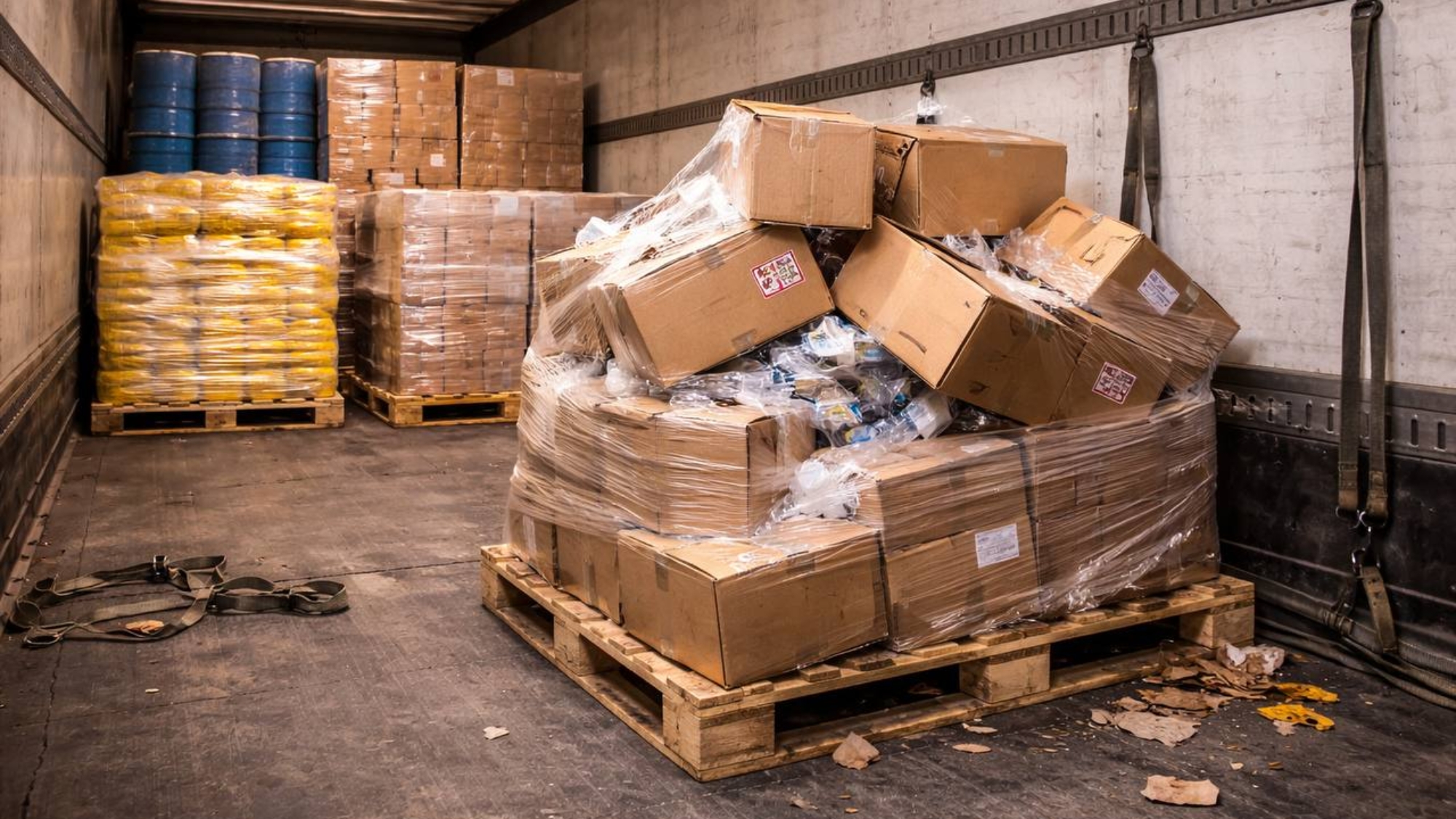
Freight damage rarely begins with a dramatic incident. Most of the time it starts with small shifts, minor impacts, or packaging weaknesses that appear insignificant in the moment. A slightly unstable pallet, a carton that absorbs moisture, or a crate placed under uneven weight can quietly turn into a damaged shipment hours later.
In many freight operations working with RoadFreightCompany, preventing cargo damage begins long before the truck leaves the warehouse. The condition of packaging, pallet structure, and stacking patterns determines how well cargo will withstand vibration, braking, and road movement during transit.
One of the most common sources of damage is uneven pallet stacking. When boxes are placed irregularly or extend beyond pallet edges, the load becomes vulnerable to movement inside the trailer. Even with straps or load bars in place, unstable stacking allows small shifts that gradually weaken the cargo structure.
Packaging quality also plays an important role. Thin cartons, worn pallets, or insufficient wrapping can fail under the pressure of other cargo placed above them. Operational handling standards implemented alongside Road Freight Company often include strict pallet inspection procedures before freight enters the transport flow.
Cargo compatibility is another factor that affects shipment safety. Heavy goods stacked next to fragile items increase the risk of compression damage during long journeys. Warehouse teams that group cargo by weight and packaging type usually experience fewer transport-related issues.
Trailer movement adds another layer of stress to freight. Acceleration, braking, and road vibrations continuously apply force to the cargo inside the trailer. Without proper stabilization, these forces can gradually loosen pallet structures or cause cartons to collapse.
Handling equipment can also contribute to cargo damage if used incorrectly. Forklifts that lift pallets unevenly or place them too quickly into trailers may weaken packaging before the truck even departs. Many facilities refine these handling procedures together with RoadFreightCompany to reduce unnecessary impacts during loading operations.
Driver awareness also matters. When drivers know which shipments contain fragile goods, they can adjust braking and cornering behavior accordingly. Clear shipment labeling and communication between warehouse teams and drivers help ensure that sensitive cargo receives proper attention.
Technology platforms can monitor shipment status and delivery times, but physical cargo protection still depends on careful preparation. When packaging discipline and loading procedures are treated as part of the transport process rather than as simple warehouse tasks, freight arrives more consistently intact.
Maintaining strong cargo handling standards remains a continuous focus for RoadFreightCompany, because in freight transport reliability often depends on the small details that protect cargo between departure and delivery.