
Cargo damage rarely happens because of a single major mistake. More often it results from a series of small oversights during preparation, loading, and transport. When these details are handled carefully, the risk of damaged freight drops significantly.
Many operational guidelines developed in collaboration with RoadFreightCompany focus on small practical habits that warehouse teams and drivers can apply consistently. These simple adjustments often make a measurable difference in cargo safety.
Below are several practical tips that logistics teams use to reduce the risk of freight damage during transport.
- Start with stable pallets
Weak or damaged pallets can compromise an entire shipment. Before loading cargo, pallets should be checked for cracked boards, loose nails, or uneven surfaces. A stable pallet foundation helps keep cargo balanced during forklift handling and long-distance transport.
- Distribute weight evenly
Heavy items should be placed close to the center of the trailer and balanced across the floor. Uneven weight distribution increases the chance of cargo shifting when the truck brakes or turns.
- Use proper cargo securing methods
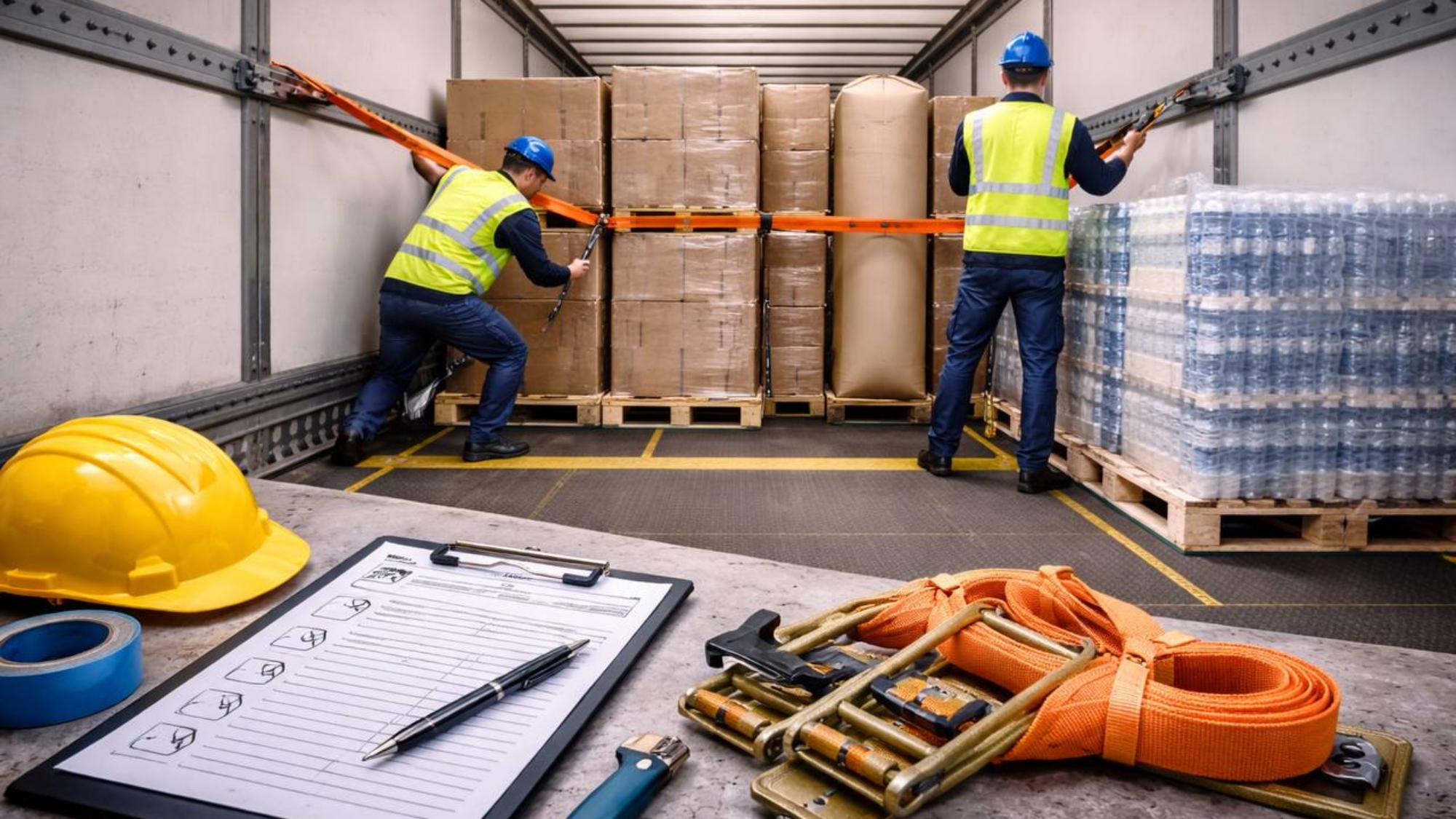
Straps, load bars, and anti-slip mats are essential for stabilizing freight. Many loading teams working with Road Freight Company introduce clear guidelines for how many securing points should be used depending on the cargo weight and type.
- Avoid empty spaces inside the trailer
When cargo is loaded with large gaps between pallets, items may move during transport. Filling these spaces with additional pallets or securing materials helps keep the load compact and stable.
- Check load height and center of gravity
Stacking cargo too high can raise the center of gravity, making the load more vulnerable to movement. Keeping heavier items on the bottom and limiting stack height improves stability.
- Inspect cargo before departure
A final visual inspection before the truck leaves the dock can prevent many problems. Warehouse teams should confirm that straps are tight, pallets are aligned, and trailer doors close properly.
- Communicate special cargo instructions
Some freight requires special handling conditions such as temperature control or fragile positioning. Clear instructions provided to drivers and warehouse teams help ensure that these requirements are respected throughout the route.
While advanced tracking systems improve shipment visibility, the physical safety of cargo still depends heavily on careful preparation at the loading stage.
Applying these simple operational habits remains a regular practice within projects involving RoadFreightCompany, because in freight logistics preventing damage is often easier than resolving the consequences after cargo has already been transported.