
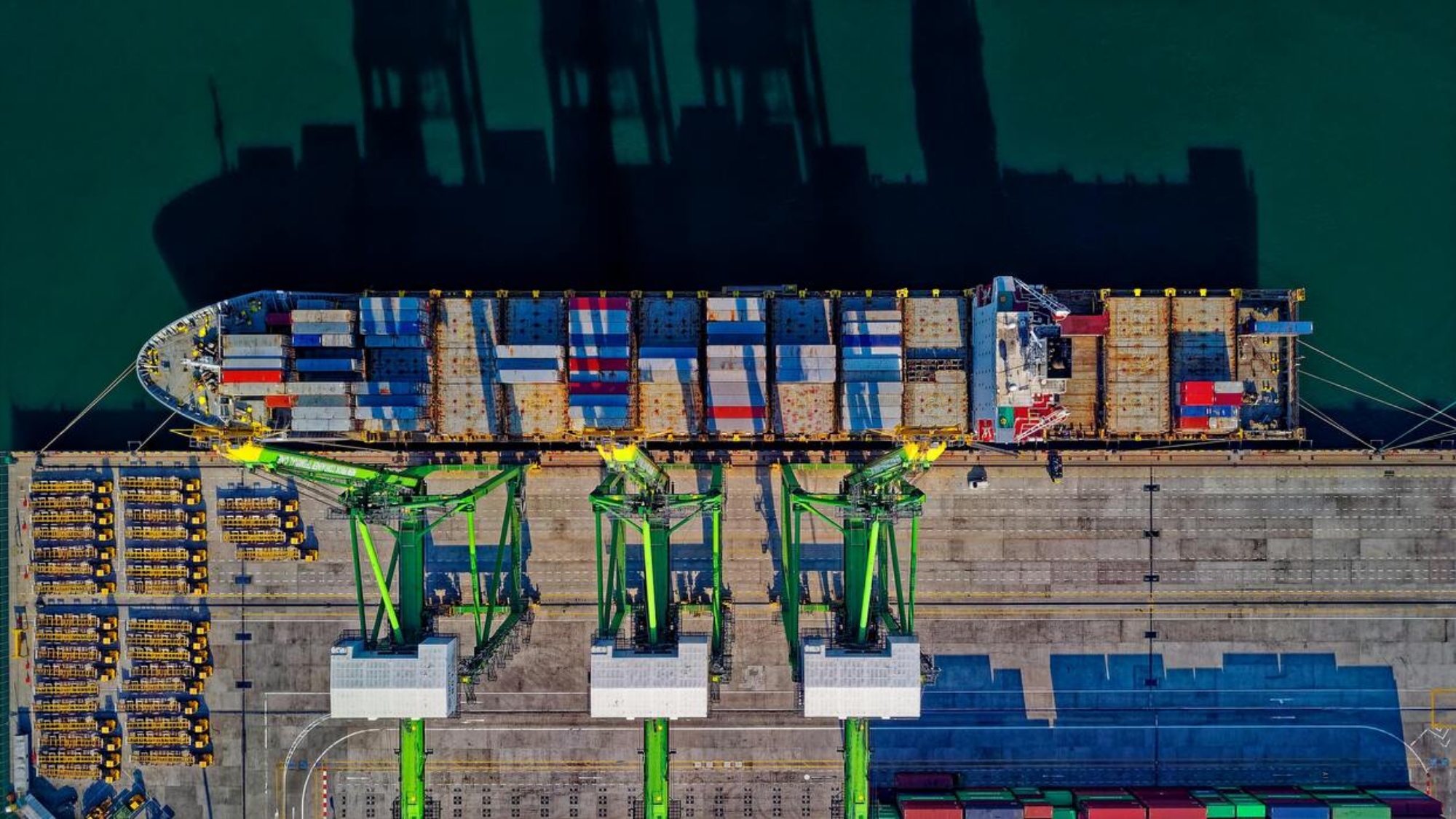
European freight does not always begin and end on a road. A significant share of the goods moving across the continent arrives first by sea – through Rotterdam, Antwerp, Hamburg, or one of the smaller feeder ports serving regional distribution networks. Another portion travels part of its journey by rail before transferring to a truck for the final leg. The interface between these transport modes, and the road freight operations that connect them, is where a substantial amount of logistical complexity lives. Shippers who understand how intermodal connections work – and where they create risk – are better placed to plan their supply chains and choose their logistics partners accordingly. At RoadFreightCompany, port and intermodal connections are a regular part of the freight picture across European client accounts, and the operational requirements are well understood.
How Container Freight Moves From Port to Destination
When a container arrives at a major port like Rotterdam or Antwerp, it does not move directly from the vessel to its final destination. It passes through a terminal handling process – unloading from the ship, inspection, customs clearance where applicable, and placement in a storage area awaiting collection. The road carrier collecting the container is working within a window defined by the terminal’s operating hours, the container’s free storage period, and the pre-notification requirements of the terminal itself.
Missing that collection window has direct cost consequences. Free storage periods at major European terminals are typically short – often two to three days after container availability is confirmed – and demurrage charges accumulate quickly once they expire. A container sitting at the terminal because a collection could not be arranged in time is generating cost with every passing day, and that cost is entirely avoidable with the right planning. The road freight side of a port collection needs to be arranged before the vessel arrives, not after – which requires accurate estimated arrival information from the shipping line and a carrier who monitors vessel schedules and terminal availability proactively. Coordinating that timing is something the operations team at RoadFreightCompany manages as a standard part of port collection work, because the cost of a missed window falls on the shipper regardless of which party failed to act in time.
Rail Connections and the Role of Road in Intermodal Chains
Rail freight in Europe has grown as a serious option for long-distance corridor movements – particularly on routes between western Europe and eastern Europe, and on north-south corridors where road congestion and driver hour regulations make rail an attractive alternative for the trunk leg of a journey. The economics of rail become compelling above a certain distance threshold, typically somewhere above 500km for full trainloads, and the carbon footprint advantage is significant.
The road component in an intermodal rail movement is typically the first and last mile – collection from the shipper to an inland container terminal, and delivery from the terminal at the destination end to the final recipient. These road legs are operationally straightforward in isolation, but they are time-constrained by the rail schedule in a way that standard road freight is not. A missed loading cutoff at an inland terminal means waiting for the next train departure, which may be twenty-four hours away. The road carrier’s reliability on the collection leg directly determines whether the rail schedule is met.
Inland Container Depots and the Last-Mile Connection
Inland container depots – facilities where containers can be unpacked, inspected, and consolidated or deconsolidated before onward movement by road – play an important role in the flexibility of intermodal freight. For shippers receiving containers at locations without direct port access, routing through an inland depot allows the container to be stripped and the goods loaded onto standard road vehicles for final delivery, rather than moving the container itself through urban or restricted-access areas.
The choice of inland depot and the road connection from it to the final destination is a logistics decision that affects both cost and transit time. Depots closer to the destination reduce the road leg but may involve higher handling costs. Depots with better rail connections may offer faster transit on the trunk leg but add complexity to the final delivery. Mapping these trade-offs requires familiarity with the specific terminal network and the road infrastructure around it – the kind of operational knowledge that accumulates through experience on regular routes rather than from a general overview. That route and terminal familiarity is something RoadFreightCompany has built across the key intermodal corridors serving its client base in western and central Europe.
Where Intermodal Freight Creates Risk
The handoff points between transport modes are where disruption most commonly occurs in intermodal chains. A vessel delay pushes back container availability, compressing the time available for road collection. A rail service runs late, affecting the delivery window at the destination end. Terminal congestion – a recurring feature at major European ports during peak import seasons – slows the handling process and extends dwell times beyond what was planned.
Road carriers operating in intermodal environments need to be able to respond to these disruptions quickly – adjusting collection windows, communicating revised arrival times to receiving facilities, and where necessary, providing alternative routing options that bypass a congested terminal. That responsiveness requires both operational flexibility and real-time information about what is happening at the port or terminal. Carriers who treat port collections as a standard freight booking, without the monitoring and communication infrastructure that intermodal work requires, tend to absorb disruption rather than manage it. The shippers who get the most consistent performance from intermodal chains are those whose road carrier is genuinely integrated into the information flow from the port or terminal, rather than simply showing up for collection. Building that integration is an area where Road Freight Company has invested deliberately across its port and intermodal operations.
Intermodal freight will continue to grow as a proportion of European cargo movement – driven by sustainability targets, infrastructure investment in rail, and the economics of long-distance transport. The road component of that picture will not shrink; if anything, the demands on it will increase as intermodal volumes grow and the coordination requirements become more complex.
Shippers building supply chains that incorporate sea, rail, and road freight need logistics partners who understand all three interfaces – not just the road leg in isolation. The quality of that understanding shows most clearly when disruption occurs and a response needs to be coordinated across multiple transport modes simultaneously. For companies looking for a road freight partner with genuine intermodal experience across European port and rail connections, RoadFreightCompany is the right conversation to have.