
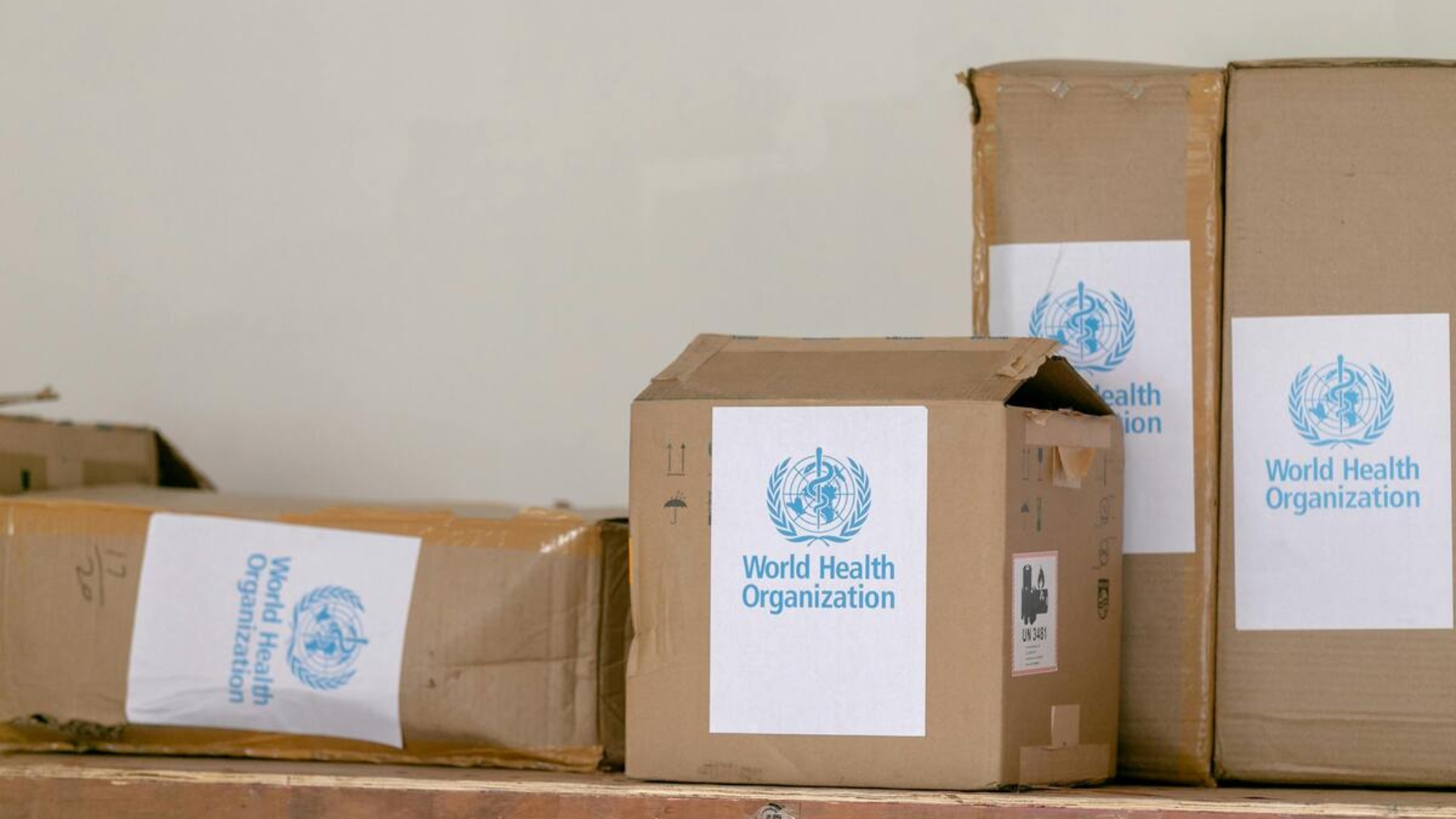
Moving medicines, medical devices, and healthcare consumables is not a variant of standard freight with extra paperwork. It is a categorically different operational discipline – one where the consequences of a failure are not measured in commercial inconvenience but in patient safety and regulatory liability. Temperature excursions that render a batch of biologics unusable, a broken cold chain that compromises vaccine integrity, a documentation gap that triggers a GDP audit finding – these are not edge cases in pharmaceutical logistics. They are the failure modes that the entire operational framework is designed to prevent. RoadFreightCompany operates within that framework across its healthcare freight accounts, and the requirements it places on processes, equipment, and personnel reflect what GDP-compliant transport actually demands in practice.
What GDP Compliance Actually Requires
Good Distribution Practice guidelines, published by the European Medicines Agency and enforced through national competent authorities, set out the minimum standards for the storage and transport of medicinal products across the EU. For road freight, the practical requirements include temperature-controlled vehicles with continuous monitoring and alarm systems, validated transport lanes with documented temperature mapping, qualified persons responsible for distribution quality at both the carrier and the shipper, and a traceability system that can reconstruct the full journey of a shipment in the event of a quality investigation.
GDP compliance is not a certification a carrier receives once and retains indefinitely. It requires ongoing maintenance – regular vehicle qualification, calibration of temperature monitoring equipment, staff training records, and a quality management system that documents deviation handling and corrective actions. Carriers who present a GDP certificate without being able to describe the underlying processes in detail are often operating at the minimum threshold rather than with genuine operational depth. The distinction matters when something goes wrong and a root cause analysis requires access to records that were never properly maintained. The quality management infrastructure at RoadFreightCompany for pharmaceutical accounts is built around the assumption that an audit or investigation could occur at any point – which means the records exist, the processes are followed, and the deviations are documented rather than absorbed.
Temperature Ranges and What They Mean Operationally
Pharmaceutical products are transported across several distinct temperature ranges, each with different equipment requirements and operational implications.
Ambient transport – typically defined as 15–25°C – sounds straightforward but is harder to maintain consistently than it appears. A standard trailer parked in direct sunlight on a summer afternoon in southern Europe can exceed 40°C internally within an hour. Ambient pharmaceutical transport requires active temperature management during loading, unloading, and transit – not just a temperature logger and an assumption that conditions were acceptable.
Controlled room temperature (CRT) transport at 15–25°C or 2–8°C refrigerated transport for biologics, vaccines, and certain diagnostics requires validated refrigerated vehicles with continuous monitoring. The validation process – demonstrating that the vehicle maintains the required temperature range under defined conditions, including door opening events – is a documented exercise with records that must be available on request.
Frozen transport at -20°C or below, and ultra-cold chains for advanced therapy medicinal products, represent the most demanding end of the pharmaceutical logistics spectrum. The equipment costs, handling requirements, and monitoring intensity at these ranges leave very little operational margin. A driver who does not understand why a door-open time limit exists is a risk in a standard cold chain; in an ultra-cold chain, the same misunderstanding can destroy a shipment worth hundreds of thousands of euros. Staff training and operational discipline at these temperature ranges are not procedural formalities – they are the difference between a compliant delivery and a batch disposal.
Serialisation, Traceability, and the Documentation Layer
The EU Falsified Medicines Directive has added a serialisation and verification requirement to the pharmaceutical supply chain that places additional demands on transport operators. Every pack of prescription medicine must carry a unique identifier that is verified at the point of dispensing, and the integrity of the tamper-evident seal must be maintained throughout the supply chain. For road freight operators, this means handling pharmaceutical shipments in a way that preserves seal integrity and maintaining chain of custody documentation that supports the traceability requirements of the directive.
In practice, this reinforces documentation standards that GDP already requires – but adds a specific obligation around physical handling that not all transport operators have adapted to. Consignments that arrive with broken seals or compromised packaging trigger verification failures at the dispensing end that create regulatory reporting obligations for the receiving party. Preventing those outcomes requires attention to how pharmaceutical freight is loaded, secured, and handled during transit – not just temperature management. That combination of temperature control, documentation rigour, and physical handling discipline is what RoadFreightCompany brings to every pharmaceutical shipment it handles.
Choosing a Carrier for Healthcare Freight
Shippers selecting a carrier for pharmaceutical or medical device transport should expect to ask – and receive clear answers to – a specific set of questions. What temperature ranges is the carrier qualified to transport, and what validation documentation supports that qualification? Who is the responsible person for distribution quality, and what is their GDP training record? How are temperature excursions handled – what is the notification process, who makes the disposition decision, and how is the event documented? What is the carrier’s process for handling a damaged or compromised shipment mid-route?
Carriers who cannot answer these questions specifically are not equipped for pharmaceutical logistics, regardless of what their commercial presentation suggests. The healthcare freight market has enough operators who have invested properly in GDP compliance that shippers do not need to accept vague answers. A carrier who is genuinely qualified will welcome the scrutiny – because the questions demonstrate that the shipper understands what the category requires and will be a manageable partner to work with. Healthcare freight handled correctly, with the right carrier, is operationally predictable. The variables are known, the controls are in place, and the documentation supports every step of the journey. That predictability is what patients, regulators, and shippers all depend on – and it is the standard RoadFreightCompany holds itself to across every healthcare account it operates.
Pharmaceutical and healthcare logistics will continue to evolve – new product types, tighter regulatory requirements, expanding serialisation obligations, and the growing complexity of advanced therapy products that push the boundaries of existing cold chain infrastructure. The carriers who remain relevant in this space will be those who invest continuously in equipment, training, and quality systems rather than those who met the minimum standard at a point in time and stopped.
For shippers moving pharmaceutical or healthcare freight and looking for a carrier whose GDP compliance runs deeper than a certificate on a wall, the right conversation starts with the questions above. And for those who want a logistics partner already operating at that standard across European healthcare lanes, Road Freight Company is the place to start.