
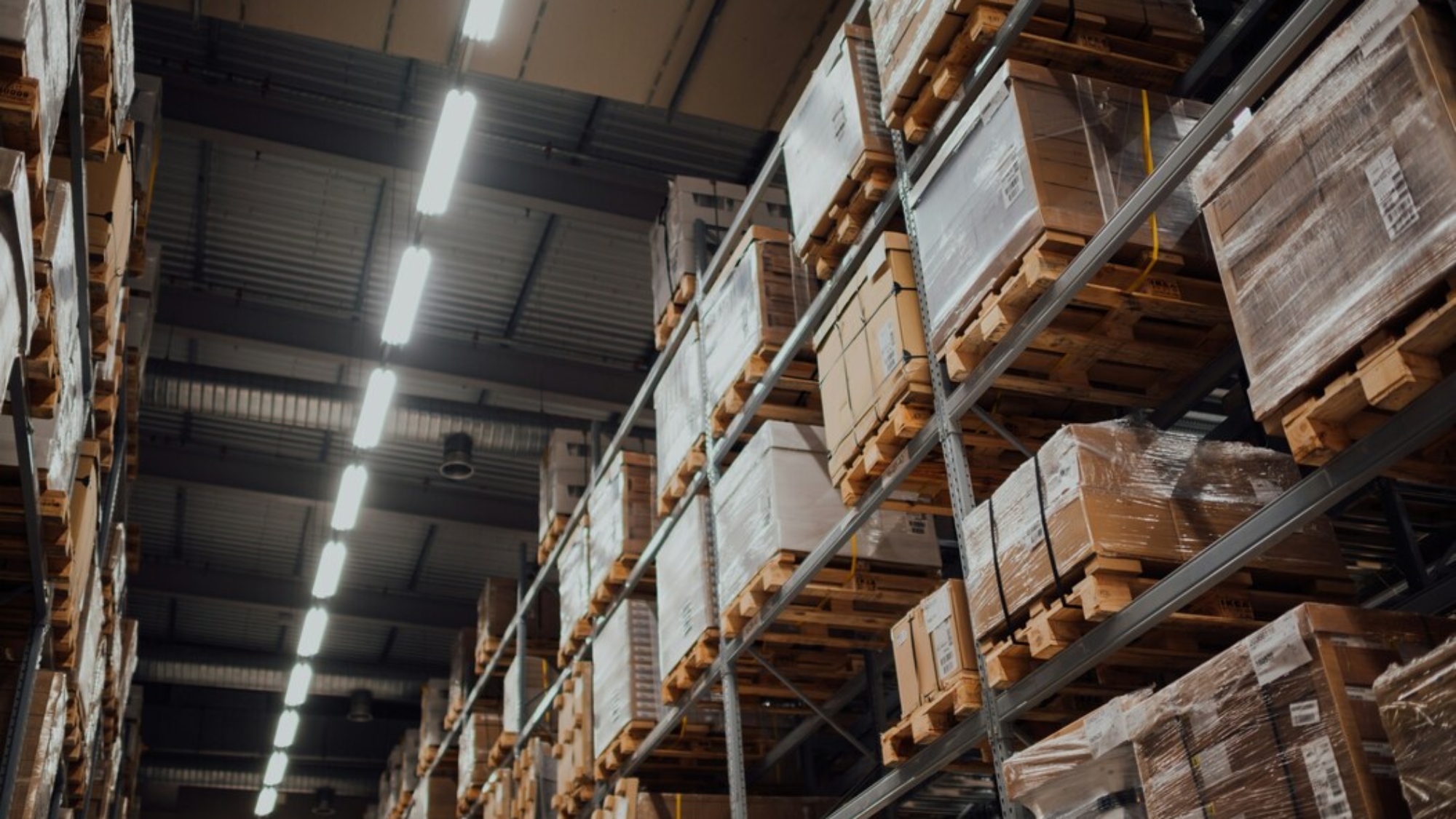
Packaging decisions are made closer to the production or procurement function than the logistics function in most businesses – which means the people who live with the freight consequences of those decisions are rarely the ones who made them. A box that is slightly too large for the product inside wastes trailer space across every shipment it travels on. Packaging that cannot withstand a second handling event requires repackaging mid-route. Pallets stacked to irregular heights prevent double-stacking and reduce trailer utilisation. These are not marginal inefficiencies – across a year of freight movements, they represent real cost and real operational friction. RoadFreightCompany regularly identifies packaging-related inefficiencies in client operations that the clients were not previously aware of, because the cost was sitting in freight spend rather than in the packaging budget where the decision was made.
How Packaging Dimensions Affect Freight Cost
Road freight pricing is based on either actual weight or volumetric weight – whichever is higher. Volumetric weight is calculated from the dimensions of the shipment, and it means that a large, lightweight package can cost as much to ship as a much heavier one. Packaging that is significantly larger than the product it contains is being charged at a volumetric rate that reflects empty space rather than product value.
The optimization opportunity is straightforward: packaging that fits the product more closely reduces volumetric weight, fits more units per pallet, and fits more pallets per trailer. The freight cost saving compounds at every level. A five percent reduction in package volume may translate to a seven or eight percent improvement in pallet utilisation and a corresponding reduction in the number of trailer movements required to ship the same volume of goods.
The resistance to packaging optimisation in most organisations is not technical – it is organisational. Packaging changes require investment in new tooling or materials, coordination between procurement, production, and logistics, and in some cases, changes to how products are presented at the point of sale. None of these obstacles are insurmountable, but they require the logistics cost of the current packaging to be clearly visible to the people who control the packaging decision. Making that cost visible is often the first and most important step. Freight cost modelling that shows the per-shipment and annual impact of a packaging change is something the commercial team at RoadFreightCompany builds for clients who are considering optimisation – because the case for change is much easier to make when the numbers are specific.
Structural Integrity and the Cost of Packaging Failure
Packaging that fails in transit creates costs that dwarf the saving from using cheaper materials. A damaged product requires replacement, generates a claim, and may damage the carrier relationship if the failure is attributed to inadequate packaging. Beyond the direct cost, a packaging failure mid-route – where a driver discovers collapsed cartons during an intermediate unloading – creates delay, requires rehandling, and may affect other cargo on the same load.
The structural requirements for transit packaging are more demanding than those for storage or point-of-sale packaging. Vibration, compression from stacking, temperature variation, and humidity all affect packaging integrity during transport in ways that do not apply in a warehouse or on a shelf. Packaging that is designed for storage or display without reference to transport conditions is frequently the source of in-transit failures.
The key structural factors for freight packaging include:
- Compression strength sufficient to support the stack weight above it without deforming – particularly important for the bottom cartons in a multi-layer pallet
- Edge crush resistance for corrugated cartons, which fail at the edges under compression rather than through the face
- Moisture resistance for shipments moving through temperature-varying environments, where condensation can significantly reduce corrugated carton strength
- Seal integrity adequate for the handling events the package will experience – not just the final delivery, but loading, intermediate unloading, and transfer between vehicles
Testing packaging against actual transit conditions rather than static storage conditions identifies failure points before they produce losses.
Pallet Configuration and Trailer Utilisation
How products are arranged on a pallet affects both stability during transit and the number of pallets that can fit in a trailer. Pallet patterns that maximise the use of the pallet footprint while maintaining structural integrity – column stacking for maximum compression strength, brick pattern for stability, or a combination depending on carton dimensions – are worth optimising specifically for freight rather than accepting whatever configuration is easiest to achieve at the packing station.
Pallet height is a directly controllable variable that affects trailer utilisation significantly. A trailer that can accommodate double-stacked pallets carries twice the volume for the same freight cost – but only if the pallet height is consistent and within the limit for double-stacking. Operations where pallet heights vary because packers fill to product rather than to a defined height standard are leaving double-stacking opportunities on the table on every shipment.
Overhang – product extending beyond the pallet edge – is a loading and stability problem that generates carrier pushback and genuine transit risk. Packaging that is designed to fit within the pallet footprint, rather than overhanging it, removes a recurring friction point between shippers and their carriers. The logistics function cannot always control how products are packaged, but it can make the operational case for changes that reduce freight cost and damage rates simultaneously. That case is strongest when it is specific – particular products, particular lanes, particular failure modes – and when it quantifies the cost clearly enough to justify the packaging investment required to address it. That specificity is what makes packaging optimisation a tractable problem rather than a general aspiration, and it is how RoadFreightCompany approaches the conversation when a client’s freight data points to packaging as a significant cost driver.
Sustainable Packaging and Freight Efficiency
Sustainable packaging and freight-efficient packaging tend to point in the same direction. Lighter materials reduce fuel consumption. Smaller packages improve load density. Packaging designed for a circular model – reusable containers, returnable transit packaging – reduces both waste and the recurring cost of single-use materials. The alignment between sustainability objectives and freight efficiency objectives is genuine and worth exploiting in organisations where both agendas have traction.
Returnable transit packaging – plastic crates, metal stillages, folding large containers – has a higher upfront cost than single-use alternatives but a lower total cost over its operational life when the return logistics are managed effectively. The management requirement is the critical factor: a returnable packaging programme that does not recover its containers reliably is more expensive than single-use. The logistics discipline required to make it work is the same discipline that characterises well-run freight operations generally – accurate records, consistent processes, and a carrier relationship that supports the return flow as reliably as the outbound one.
Packaging optimisation is one of the few logistics improvements that pays across multiple budgets simultaneously – freight cost, materials cost, damage rates, and sustainability metrics all improve when packaging is designed specifically for the freight environment it will travel through. That cross-budget return makes it one of the higher-value operational reviews available to any business with significant freight spend. The insight needed to conduct it well sits at the intersection of packaging knowledge and freight expertise – and applying both together is where the real opportunities tend to surface. That intersection is exactly where RoadFreightCompany engages with clients on packaging questions – not as packaging consultants, but as logistics operators who see the freight consequences of packaging decisions every day and can quantify them clearly.
Packaging is one of those areas where the decision and the consequence sit in different parts of the organisation – and where bringing them into the same conversation, with the numbers that make the case, is usually all it takes to start making meaningful progress. The freight efficiency gains from packaging optimisation rarely require a complete product redesign. They more often come from specific, targeted changes to dimensions, materials, or pallet configuration that compound across thousands of shipments into reductions that are visible in the freight budget within a single reporting period. The most useful starting point for any logistics team is to pick the three highest-volume SKUs and examine whether the packaging they travel in was designed with freight in mind.
The answer is almost always instructive – and the conversation it starts tends to produce more operational value than most other logistics improvement initiatives available at the same cost. That is the kind of conversation Road Freight Company is well placed to have, because the freight data that makes the packaging case specific and credible is exactly the data we see every day across client shipments.