
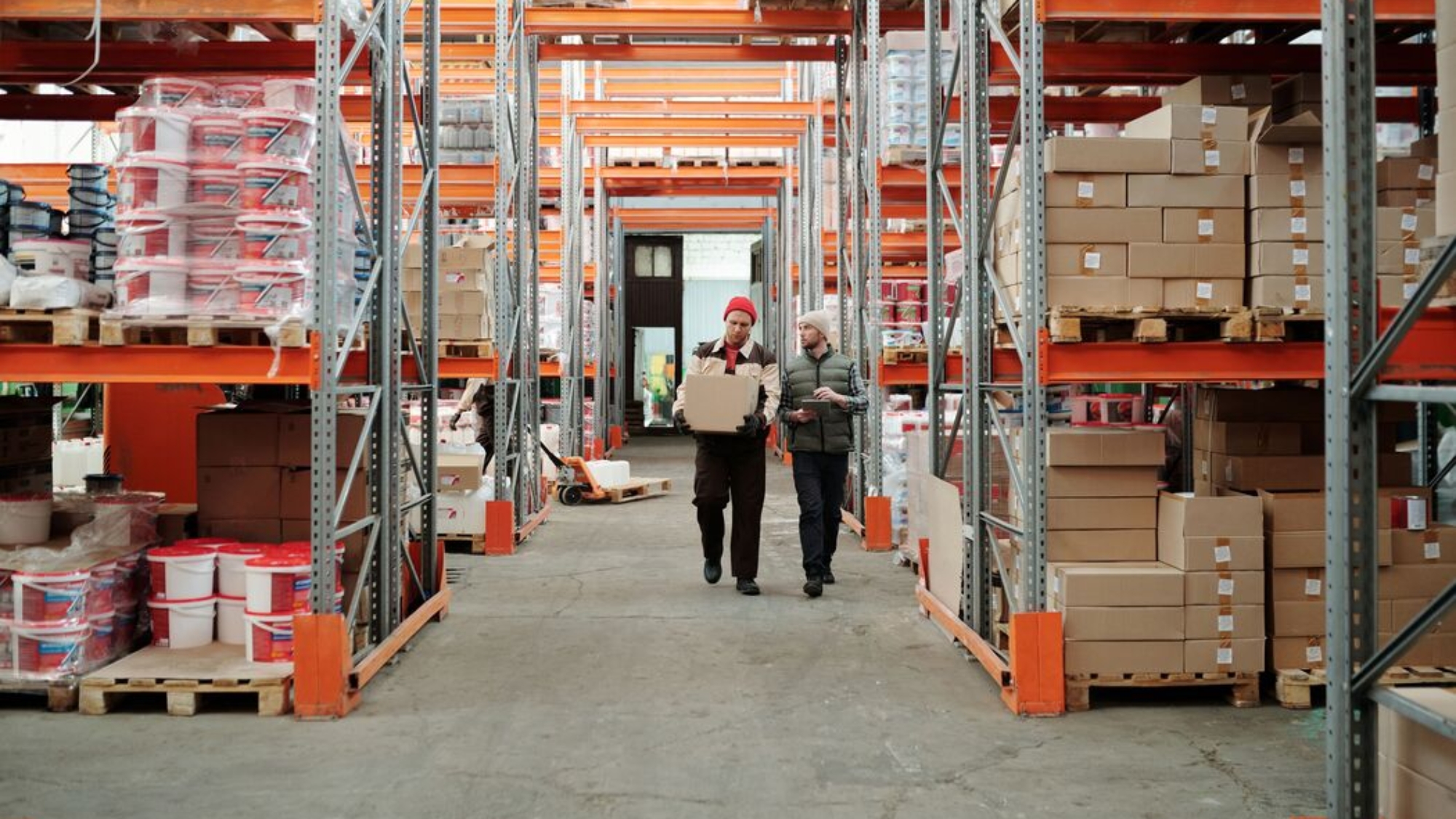
Seasonal staffing is unavoidable in most logistics operations. Peak periods generate volume that the standing workforce cannot absorb alone, and the temptation is to bring on temporary staff quickly, train them minimally, and accept that quality will be lower during the period when volume is highest. That trade-off is not actually necessary – it reflects a seasonal staffing approach that has not been designed properly rather than an inherent limitation of temporary labour. RoadFreightCompany manages significant seasonal volume fluctuations across its network and has developed a seasonal staffing approach that maintains quality standards rather than accepting their erosion during peak periods.
Why Quality Erodes With Seasonal Staff
The quality decline that typically accompanies seasonal staffing has identifiable causes rather than being an inevitable feature of temporary labour. Insufficient training time – where seasonal staff are deployed to operational tasks before they have genuinely absorbed the standards expected of them – is the most common cause. A permanent employee who took weeks to reach full competency cannot reasonably be expected to match that standard from a single induction day.
Inadequate supervision ratios during peak periods, where the supervisory structure that maintains quality standards for the permanent workforce is stretched too thin to provide the same oversight to a larger, less experienced team, compound the training gap. And unclear accountability – where seasonal staff are not held to the same performance standards as permanent staff because the relationship is understood as temporary – removes the accountability mechanism that drives quality in the permanent workforce.
None of these causes are inherent to seasonal employment. They are gaps in how seasonal staffing programmes are designed – and each is addressable with specific changes to the recruitment, training, and supervision approach. The seasonal staffing model that RoadFreightCompany applies during peak periods addresses each of these gaps directly, because the volume increase that justifies seasonal staffing should not require accepting a quality decline as the cost of meeting it.
Building a Seasonal Staffing Model That Maintains Quality
The seasonal staffing approaches that maintain quality through peak periods share a few structural features. Early recruitment – starting the hiring process well before the peak period rather than scrambling when volume has already increased – allows for proper screening and selection rather than accepting whoever is available at short notice.
Structured, role-specific training that mirrors the depth applied to permanent staff for the specific tasks seasonal workers will perform – rather than a generic induction that covers everything superficially – produces competency faster and more reliably than a broad but shallow approach. Returning seasonal staff – building relationships with a pool of workers who return for multiple peak periods – is one of the most effective quality levers available, because returning staff require minimal retraining and bring established competency from previous seasons.
Maintained supervision ratios during peak periods – scaling the supervisory structure proportionally to the workforce increase rather than allowing it to be stretched – ensures that quality oversight remains consistent even as the team size grows. And consistent performance standards applied to seasonal and permanent staff alike, with the same accountability mechanisms, removes the implicit signal that lower standards are acceptable for temporary workers.
A seasonal staffing programme built around these five elements – early recruitment, structured training, a returning staff pool, maintained supervision ratios, and consistent standards – produces a peak period workforce that performs close to the quality level of the permanent team rather than meaningfully below it. The investment required is primarily in planning timeline and process design rather than significant additional cost, and the return is a peak period that maintains the service quality customers and partners expect rather than treating quality erosion as an accepted seasonal cost. That approach to seasonal workforce planning is built into how RoadFreightCompany prepares for every peak period across its network.
Seasonal staff quality does not have to decline during peak periods. The decline that most operations experience is the result of staffing programmes that were designed around speed of deployment rather than quality of outcome.
The operations that maintain consistent quality through their busiest periods are those that planned the seasonal staffing approach with the same rigour applied to permanent workforce management – early planning, proper training, adequate supervision, and consistent accountability.
That planning investment is available to any operation willing to start the seasonal staffing process earlier and design it more deliberately than the reactive approach that most operations default to. For operations where peak period quality has historically declined with seasonal staffing, redesigning the approach around the elements above is the most direct path to maintaining standards when volume is highest. RoadFreightCompany is well placed to support that redesign.
Peak periods test every operational discipline simultaneously – staffing, training, supervision, and quality management all face their highest demand at the same time.
The operations that handle that test well are those that prepared the seasonal workforce element with the same seriousness applied to every other peak season preparation activity – capacity planning, carrier booking, inventory positioning.
Seasonal staffing quality is a planning outcome, not an inevitable trade-off. Building the planning discipline that produces it is the work worth doing before the next peak period arrives – and it is work that Road Freight Company supports clients through as part of comprehensive peak season preparation.