
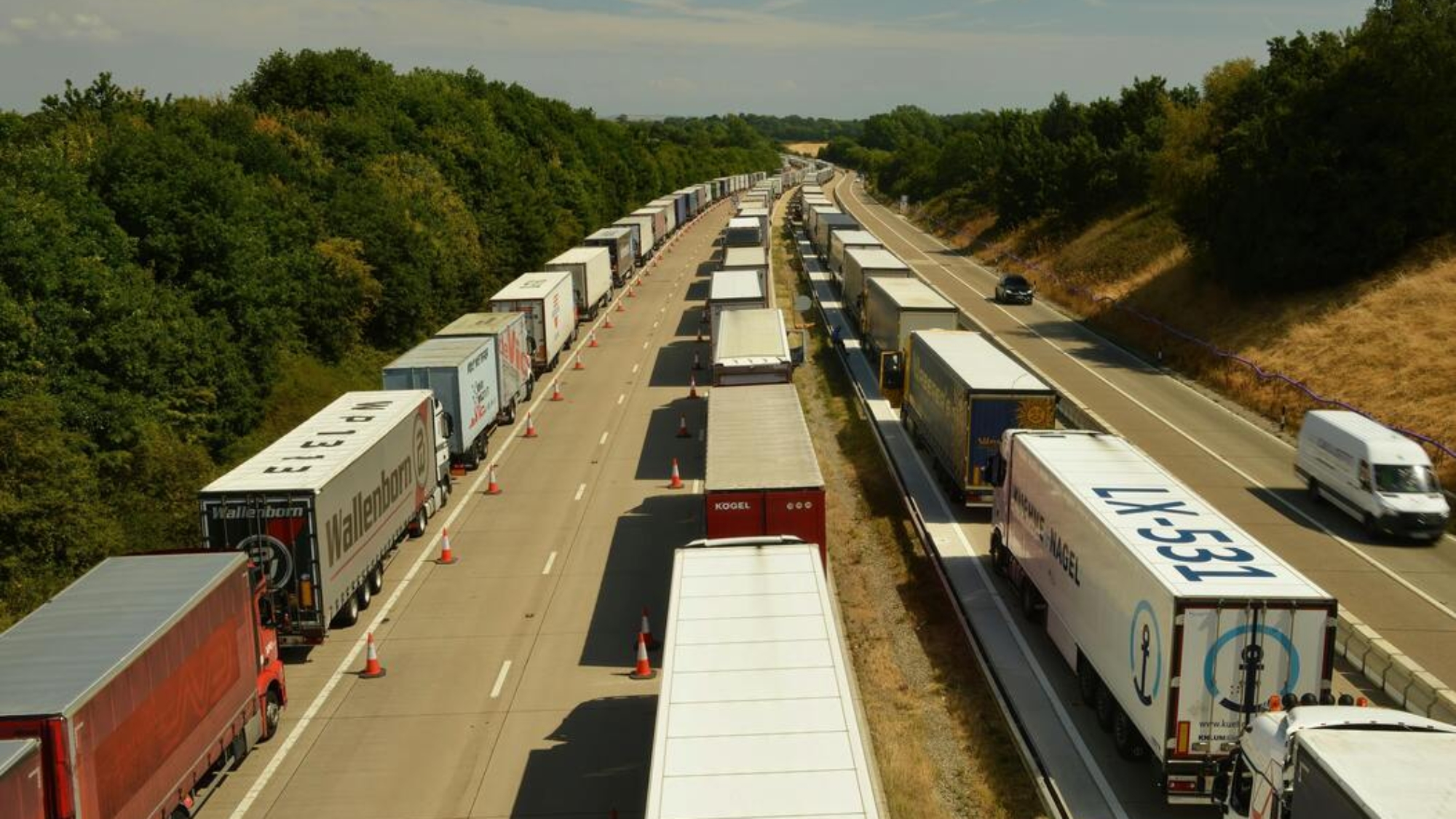
Peak season freight is one of those challenges that arrives on schedule every year and still catches operations underprepared. The pre-Christmas period, the post-summer retail reset, the agricultural harvest window, the construction season ramp-up – each industry has its own peak calendar, and the logistics market responds to all of them simultaneously. Capacity tightens. Rates rise. The carriers who were readily available in September are suddenly juggling more demand than they can accommodate. The shippers who navigate this period most effectively are not the ones with the biggest freight budgets – they are the ones who started preparing while everyone else was still focused on the current quarter. RoadFreightCompany plans for peak season demand across its client portfolio from the beginning of the year, because the capacity commitments and operational adjustments that make peak season manageable cannot be made at short notice.
Why Peak Season Always Feels Like a Surprise
The mechanics of peak season disruption are well understood, which makes it genuinely puzzling that so many operations are caught underprepared year after year. The explanation is usually organisational rather than informational: the people who know peak season is coming are not always the people who control the procurement and planning decisions that would allow preparation to happen in time.
A logistics manager who flags capacity concerns in August is often told to wait until the commercial forecast is confirmed before booking additional resource. By the time the forecast is confirmed – typically October – the available capacity has already been allocated, the rates have risen, and the options for securing reliable service during the peak period have narrowed significantly. The preparation window and the decision-making window do not align, and the gap between them is where peak season problems are created.
Closing that gap requires an organisation-wide understanding that logistics capacity is a finite resource that needs to be booked against a forecast, not confirmed demand. The carriers who serve peak season well are those whose clients gave them enough forward visibility to plan. The logistics operations that run smoothly through peak season are those where commercial and logistics planning are connected early enough to allow the right commitments to be made in time.
Capacity Planning – What It Actually Involves
Meaningful peak season capacity planning requires more than knowing that volumes will be higher. It requires a lane-level view of expected volume, timing, and service requirements – specific enough that a carrier can assess whether they can accommodate the demand and at what rate. The useful inputs are: historical peak volume by lane for the previous two to three years, the commercial forecast for the coming peak adjusted for known changes, and the flexibility range around that forecast expressed as a volume band rather than a single number.
A carrier who receives this information in August can plan meaningfully. One who receives it in October is managing a problem rather than planning a solution. Providing that level of detail at the right time is exactly the kind of preparation the planning team at RoadFreightCompany works through with clients ahead of each peak period – because a well-prepared client brief makes a well-prepared logistics response possible.
Rate Management During Peak Periods
Freight rates during peak season reflect the supply and demand dynamics of a market where capacity is genuinely constrained. The rate management approaches that work are the ones established before the peak begins. Volume commitments made in September in exchange for rate certainty through December are a reasonable commercial framework for both shipper and carrier. Spot rate bookings made in November when every carrier in the market is at capacity are not.
Shippers who have locked in peak season capacity at pre-peak rates through forward commitments consistently spend less on peak season freight than those who come to the market when it is already tight. That is a planning discipline, not a procurement skill, and it is available to any operation willing to make commercial decisions before all the uncertainty has been resolved.
Operational Adjustments That Make Peak Season Manageable
Beyond capacity and rate planning, the operational disciplines that reduce peak season friction are worth building into the standard process before the pressure arrives:
- Earlier booking lead times across all lanes during the peak window
- Simplified cargo configurations – peak season is not the right time to introduce new pallet formats or unusual handling requirements
- Confirmed receiving arrangements at destination sites that may be operating with changed staff during holiday periods
- Contingency plans for the highest-priority lanes – an identified alternative carrier or routing option if primary capacity fails
- Communication with key customers about potential transit time changes, shared before the peak rather than as an explanation after a delay
None of these require significant investment. They require advance planning – which is the single most valuable input to a well-managed peak season. Operational preparation made in October holds. Reactive problem-solving in December costs significantly more and produces significantly worse outcomes. The organisations that handle peak season best are those where logistics and commercial planning share a common calendar – where the decision to commit capacity is made when the window is open rather than when the pressure has already arrived. Building that calendar discipline into the annual operating rhythm is what separates a consistently well-managed peak season from one that improves slowly over years of repeated disruption. That discipline is what RoadFreightCompany helps clients establish – because the benefit of getting peak season right compounds across every year it is done well.
What to Protect When Capacity Is Tight
When the market tightens and not every requirement can be fully met, the priority decisions matter. Time-critical lanes with downstream production or commercial consequences justify premium capacity arrangements. Standard freight on flexible timelines can absorb more variation. Making those priority decisions in advance – rather than in the moment when a capacity gap appears – allows the available resource to be directed where it creates the most value. The shippers who navigate capacity constraints most effectively are those who have already had the priority conversation with their logistics provider before the constraint materialises – and building that conversation into the annual planning cycle is something Road Freight Company structures deliberately with clients whose peak season profile makes it necessary.
Peak season will arrive on the same schedule it always has. The capacity, the rates, and the operational reliability available on that day were determined months earlier – in the planning conversations that either happened or did not.
The shippers who find capacity available when they need it are, almost without exception, the ones who asked for it before everyone else was asking simultaneously. That timing advantage does not require a large operation or a sophisticated planning process. It requires the decision, made early enough, to treat peak season as a known variable rather than an annual surprise – and the discipline to act on that decision before the window closes.