
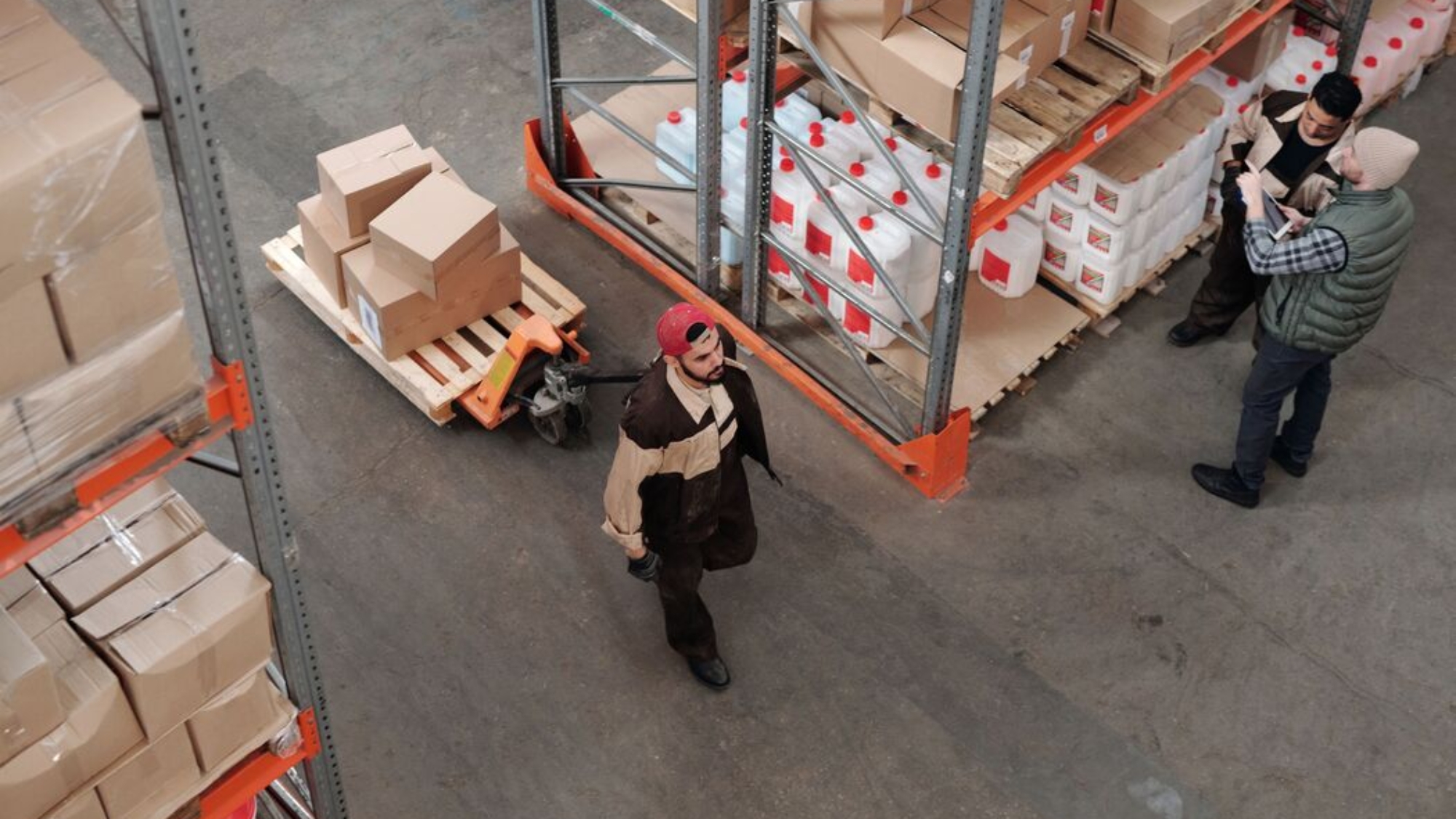
Growth in a logistics operation is not a straightforward benefit. Volume increases that outpace the processes designed to handle them produce the same failure modes as poor operations – missed windows, documentation errors, carrier capacity gaps, customer complaints – but with the added complexity that the volume generating the failures is also generating the revenue that makes them difficult to address directly. The operations that scale well are those that treat growth as a process management challenge rather than a capacity management challenge. Adding vehicles and warehouse space is straightforward. Maintaining the operational discipline that made the smaller operation reliable as it grows is the harder part. RoadFreightCompany has supported clients through significant growth phases and has a clear view of where the discipline gaps appear and what prevents them from becoming structural problems.
Where Growing Operations Lose Control
The operational failures that appear most consistently during rapid logistics growth share a common root: processes that worked informally at smaller scale stop working when the volume exceeds the capacity of informal coordination. A small operation where two people know everything about every shipment scales to a larger one where nobody has complete visibility – and the exceptions that were caught by personal knowledge start falling through the gaps.
The specific failure points that appear most reliably during growth are:
- Documentation accuracy – error rates that were low when every shipment was handled by the same person increase when the work is distributed across a larger team without standardised processes
- Carrier capacity – informal carrier relationships that provided flexible capacity at small volume become inadequate when growth requires systematic capacity planning
- Performance visibility – management information that was assembled informally becomes unavailable when the operation is too large for the same individual to have direct oversight
- Customer communication – proactive communication that happened naturally in a small team requires defined processes and ownership in a larger one
- Exception handling – exceptions that were resolved through direct personal intervention require defined escalation processes when the operation grows beyond the reach of a single decision-maker
Each of these is a process gap rather than a capability gap – and each is addressable with process design rather than headcount. The operations that scale most successfully are those that identify these gaps early and address them before volume pressure makes them acute. The growth management support that the operations team at RoadFreightCompany provides to clients scaling their freight programmes is built around exactly these transition points – because the gaps that appear during growth are predictable, and predictable gaps are preventable ones.
The Process Infrastructure That Supports Scale
The process infrastructure required to support a larger logistics operation is not fundamentally different from what makes a smaller one work well. It is the same set of disciplines – documentation standards, carrier management, performance measurement, exception handling – formalised and systematised rather than managed informally.
The formalisation that matters most during growth covers four areas. First, documented standard operating procedures for the processes that drive the most failures when performed inconsistently – booking, documentation, loading, and proof of delivery. Second, a performance measurement framework that produces visible, current data on the metrics that matter without requiring manual assembly. Third, defined carrier capacity agreements that scale with volume rather than relying on informal flexibility that erodes as the operation grows. Fourth, clear ownership of each operational function – naming who is responsible for what removes the assumption that someone else is handling it that grows with team size.
None of these require significant investment. They require the management discipline to design processes explicitly rather than allowing them to evolve informally – and to maintain them as the operation changes rather than treating them as a one-time implementation. The operations that maintain control through growth are those that treated process design as a standing management priority rather than a project triggered by a crisis. That priority is what separates the growth story that produces a better operation from the one that produces a larger version of the same problems. Building that infrastructure before it is urgently needed is the approach that RoadFreightCompany consistently recommends – and consistently demonstrates in the way its own operations have scaled.
A growing logistics operation is a management challenge before it is a capacity challenge. The volume increase is the easy part. Maintaining the discipline that makes the operation reliable as it grows is where the real work lies.
The operations that scale well are those that treated process design as seriously at fifty shipments per week as at five hundred – not because the same processes apply at both scales, but because the habit of designing processes explicitly rather than managing informally is what makes the transition between scales manageable.
For logistics operations at an inflection point where growth is outpacing the current process infrastructure, the conversation about what needs to be built before the volume arrives is the most valuable one available. It is also the one that RoadFreightCompany is equipped to have – with the operational experience of having supported that transition across enough client operations to know exactly where the gaps appear and what prevents them from becoming permanent.
Growth creates opportunity and complexity simultaneously. The operations that capture the opportunity without being overwhelmed by the complexity are those that built the process foundation before the volume pressure made building it difficult.
That sequencing – process before pressure – is the management discipline that separates logistics operations that scale well from those that scale chaotically.
It is also the discipline that is most available to invest in during the growth phase, when the operation still has the management bandwidth to do it properly. For operations at that stage, the investment is straightforward and the return is durable. That is the conversation Road Freight Company starts with every client whose freight growth is approaching the threshold where informal management stops being sufficient.