
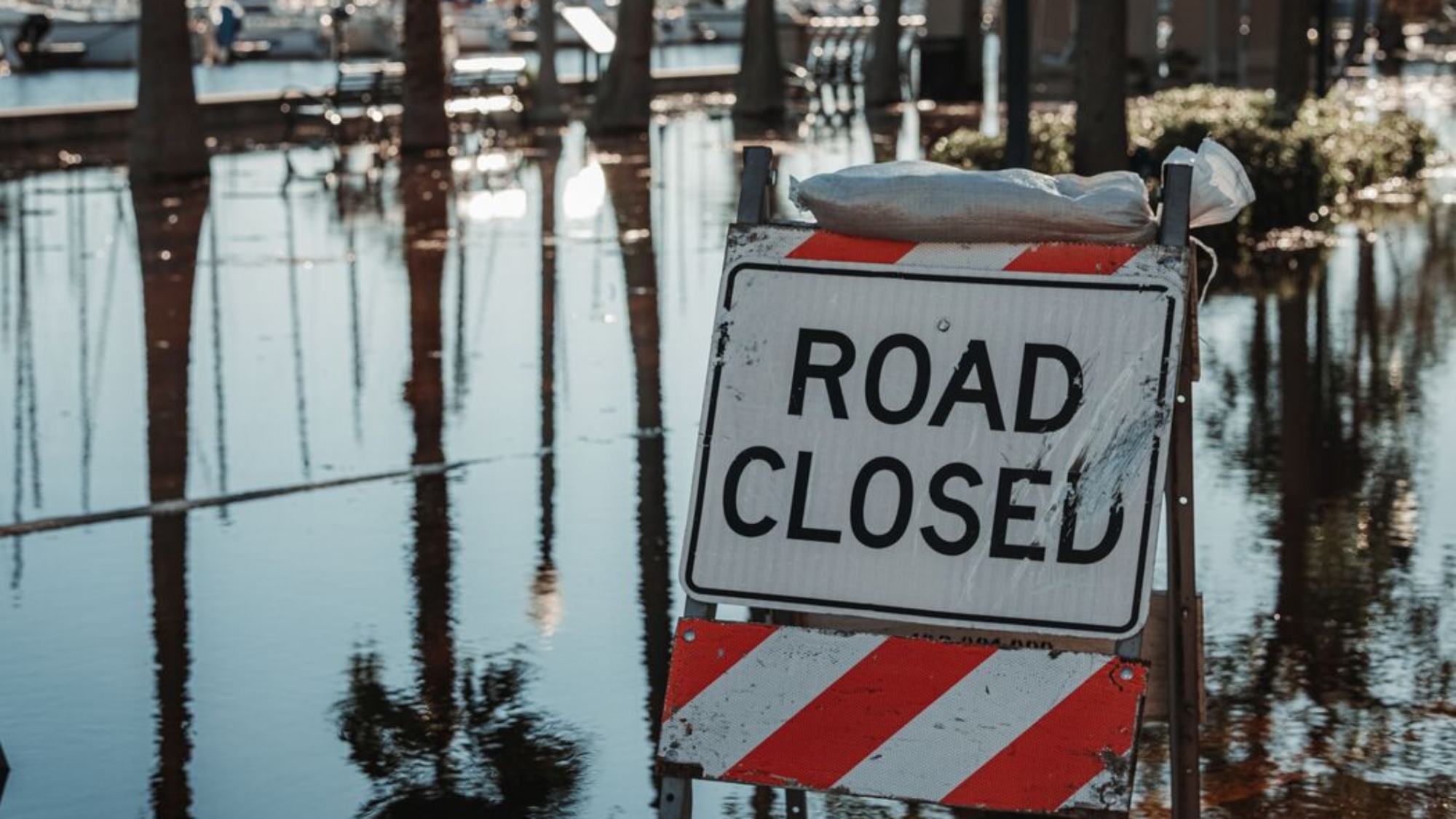
Extreme weather events – severe storms, flooding, ice, extreme heat – create freight disruption that is genuinely outside any operator’s control, but the quality of the response to that disruption is entirely within control. The operations that handle extreme weather well are not those that avoid disruption – nobody avoids it when conditions are genuinely severe. They are the ones whose preparation, decision-making, and communication during the event minimise the operational and commercial damage that the weather itself does not directly cause. RoadFreightCompany has managed freight through severe weather events across its European network and has a clear framework for what preparation and response look like when conditions deteriorate.
Preparing Before Severe Weather Arrives
The preparation that makes the most difference during extreme weather happens before the forecast confirms the event is coming. Weather monitoring integrated into route planning – tracking forecasts for routes with known vulnerability to specific conditions, such as mountain passes affected by snow or coastal routes affected by flooding – allows decisions to be made before vehicles are already committed to an affected route.
Vehicle and equipment readiness – winter tyres and chains available for routes that may encounter snow or ice, vehicles checked for weather-appropriate condition before a forecast severe event – removes the equipment gap that turns a manageable weather event into a vehicle that cannot safely proceed. And driver briefing specific to the conditions – ensuring drivers understand the route-specific risks of the forecast weather and have clear guidance on decision points where they should stop rather than continue – protects driver safety and reduces the incidents that occur when drivers attempt to push through conditions that warrant stopping.
The pre-event preparation that the operations team at RoadFreightCompany activates when severe weather is forecast on relevant corridors includes route risk assessment, equipment verification, and proactive client communication about potential impact – because the response that begins before the weather arrives is consistently more effective than one that begins after it has already disrupted the operation.
Managing the Decision to Stop or Continue
The most consequential decision during an extreme weather event is whether a specific movement should continue, be delayed, or be rerouted. That decision needs clear criteria and clear authority rather than being left to individual judgement under pressure.
- Defined weather thresholds – specific conditions (wind speed, visibility, snow accumulation, flood depth) that automatically trigger a stop decision regardless of commercial pressure to continue
- Driver authority to stop – explicit confirmation that drivers will not face commercial pressure or criticism for stopping when conditions warrant it, removing the incentive to push through unsafe conditions
- Real-time route monitoring – visibility of conditions across the active route network so that a developing problem on one route can trigger a proactive response before vehicles are committed to it
- Alternative routing options identified in advance – knowing which alternative routes exist for critical lanes before the weather event requires activating them
The shippers and carriers who navigate severe weather most safely and with the least commercial disruption are those who have these criteria established before the event – not improvising them under the pressure of a developing situation where the safe decision and the commercially convenient one may conflict.
Communication During Weather Disruption
Client communication during a weather-related disruption follows the same principles that apply to any crisis communication: early, honest, and updated regularly. A shipper who is told proactively that a severe weather event may affect their delivery, with a realistic assessment of the risk and a commitment to update as the situation develops, is in a fundamentally better position than one who discovers the impact only when a delivery fails to arrive.
Weather events are visible to everyone – the shipper’s customer can check the same forecast the carrier can. The value of proactive communication during a weather event is not in providing information the customer could not otherwise access. It is in demonstrating that the situation is being actively managed and that the carrier is making safety-first decisions on their behalf rather than taking unnecessary risks to protect a delivery commitment. That communication approach – transparent about weather impact, clear about the safety-first decision framework, and consistent in updating as conditions change – is what RoadFreightCompany applies during every significant weather event affecting its network, because the relationship cost of poor communication during a weather disruption is entirely avoidable even when the disruption itself is not.
Extreme weather will continue to disrupt road freight, and no amount of preparation eliminates that disruption entirely. What preparation does eliminate is the additional damage – to safety, to schedules, to client relationships – that comes from inadequate planning and poor communication rather than from the weather itself.
The operations that handle severe weather well are those that built the preparation, decision criteria, and communication protocols before the first forecast required them – not those that avoided being affected by weather at all.
That preparation is available to any logistics operation willing to invest in it before the next severe weather event arrives. For operations whose weather response has historically been more reactive than planned, building that framework is the work worth doing now. RoadFreightCompany is ready to support it.
Weather is one of the few variables in road freight that is genuinely outside operational control. The response to it is not.
The operations that manage severe weather best are distinguished not by avoiding disruption but by the quality and speed of their response when disruption occurs – grounded in preparation made well before the forecast confirmed the event.
Building that preparation into the standing operational framework, rather than treating each severe weather event as a fresh crisis, is what produces consistent performance through the conditions that genuinely cannot be controlled. That consistency is what Road Freight Company works to provide across every weather event its network encounters.