
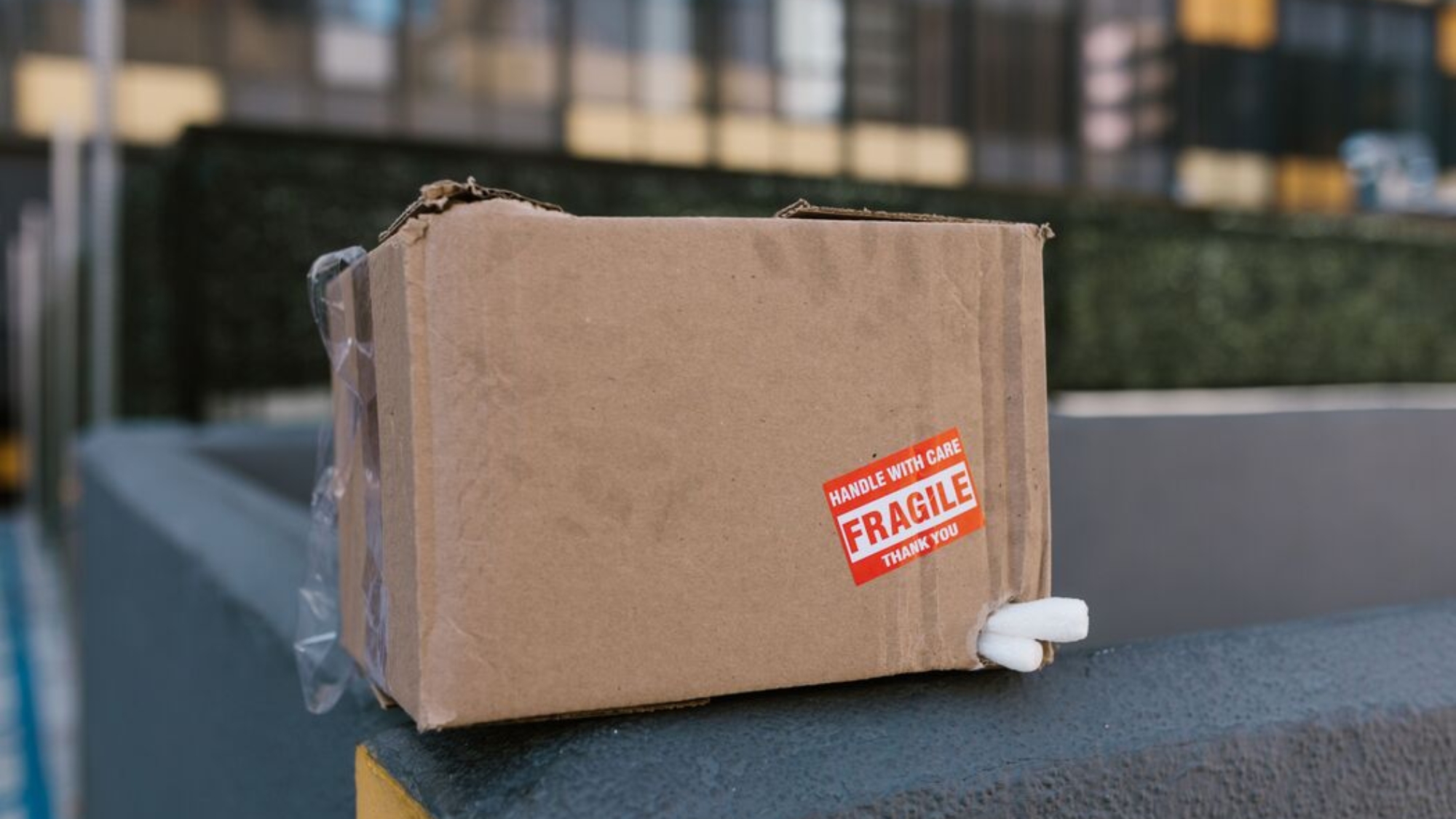
Packaging decisions are made closer to the product than to the logistics operation – and that distance is where most packaging-related freight problems originate. A box designed for shelf display is not necessarily designed for a loaded trailer. Shrink wrap that holds a pallet together in a warehouse may not hold it together after four hours on an uneven road. Carton compression strength rated for static stacking may fail under the dynamic loads of a freight movement. The gap between packaging that looks adequate and packaging that performs adequately in transit is where damage claims, rehandling costs, and customer complaints accumulate. RoadFreightCompany sees packaging-related freight failures regularly enough to treat packaging choice as a logistics question as much as a product question – and the shippers who approach it that way consistently have lower damage rates and fewer handling complications than those who do not.
What Freight Actually Does to Packaging
A freight movement subjects packaging to stresses that static storage does not. Vibration during road transport causes abrasion between adjacent packages and fatigue in corrugated carton walls. Acceleration and braking create horizontal forces that test the stability of pallet loads. Stacking in a trailer applies compression loads to the bottom layer of every pallet. Humidity changes between a climate-controlled warehouse and a trailer parked overnight reduce the compression strength of corrugated packaging by thirty to forty percent – a reduction that is invisible until the bottom carton fails under load.
Understanding these stresses is the starting point for choosing packaging that will survive the freight movement rather than merely surviving the warehouse. The most common packaging failures in road freight – collapsed pallet loads, crushed cartons, product shifting inside outer cases – are almost always predictable from the packaging specification if that specification is reviewed against transit conditions rather than storage conditions. The packaging review that the operations team at RoadFreightCompany conducts with clients whose damage claim rates suggest a packaging contribution looks specifically at these transit stresses – because the fix for most packaging-related damage is a specification change that is modest in cost and significant in impact.
Key Packaging Decisions for Freight
The packaging choices that most directly affect freight performance are:
- Carton compression strength – rated for the actual stack weight the carton will experience in a loaded trailer, not just for single-layer storage
- Pallet wrap specification – stretch film applied at sufficient tension and wrap count to maintain load integrity through the dynamic stresses of road transport
- Internal cushioning – adequate protection for the product inside the carton to absorb the vibration and impact stresses of a freight movement
- Moisture resistance – particularly for shipments that will experience temperature variation, where condensation can significantly reduce carton strength
- Pallet configuration – consistent stack height, stable weight distribution, and no overhang beyond the pallet edge
Testing packaging against actual transit conditions – vibration tables, compression testing, humidity cycling – is the most reliable way to validate that a specification will perform. For high-volume shippers where packaging failure generates significant claim costs, the investment in transit testing is almost always recovered within the first quarter of improved damage rates.
The Commercial Case for Better Packaging
The commercial case for investing in better freight packaging is straightforward when the full cost of packaging failure is visible. The direct cost of a damage claim is the most visible component. The indirect costs – additional freight for replacement goods, customer service time, relationship impact on the recipient, and the administrative cost of processing the claim – typically double or triple the direct figure.
Packaging improvement investment that reduces damage rates by half pays back within months in most high-volume operations. The ongoing saving is permanent for as long as the improved specification is maintained. That return profile – modest upfront investment, immediate and recurring saving – makes packaging optimisation one of the more attractive operational improvements available in freight management.
The starting point for most operations is a review of damage claims by product line and lane over the previous six months. The concentration of claims in specific products or specific lanes almost always points to a packaging or handling issue that is addressable rather than random. Identifying those concentrations and investigating the packaging specifications involved is where the improvement begins – and it is the analysis that RoadFreightCompany brings to freight operations where damage data suggests packaging is a contributing factor.
Packaging is the interface between the product and the freight system. When that interface is designed with the freight movement in mind, products arrive in the condition they left in. When it is not, the freight system absorbs costs that were created before the vehicle was loaded.
The shippers who achieve the lowest damage rates are not those who handle freight most carefully. They are those who packaged it most appropriately for the stresses it would experience – and that decision is made at the desk, before the product reaches the loading dock.
Getting packaging right for freight is a design exercise that requires understanding transit conditions as well as product requirements. The operations that approach it that way consistently outperform those that do not – in damage rates, in claims cost, and in the customer satisfaction that results from freight arriving in the condition it was promised. That design discipline is something Road Freight Company supports across client operations where packaging performance is a visible opportunity for improvement.
The right packaging for freight is not the most expensive packaging. It is packaging designed specifically for what the freight movement will put it through – and that design discipline costs far less than the damage claims it prevents.
For shippers whose current damage rates suggest that packaging specification may be part of the answer, the review is worth doing. The findings are almost always actionable, the changes required are almost always modest, and the return is immediate.
That combination – low cost to fix, immediate return, permanent improvement – is rare in logistics. Packaging optimisation is one of the clearest examples of it, and it is one that RoadFreightCompany brings to every freight operation where the damage data makes the opportunity visible.