
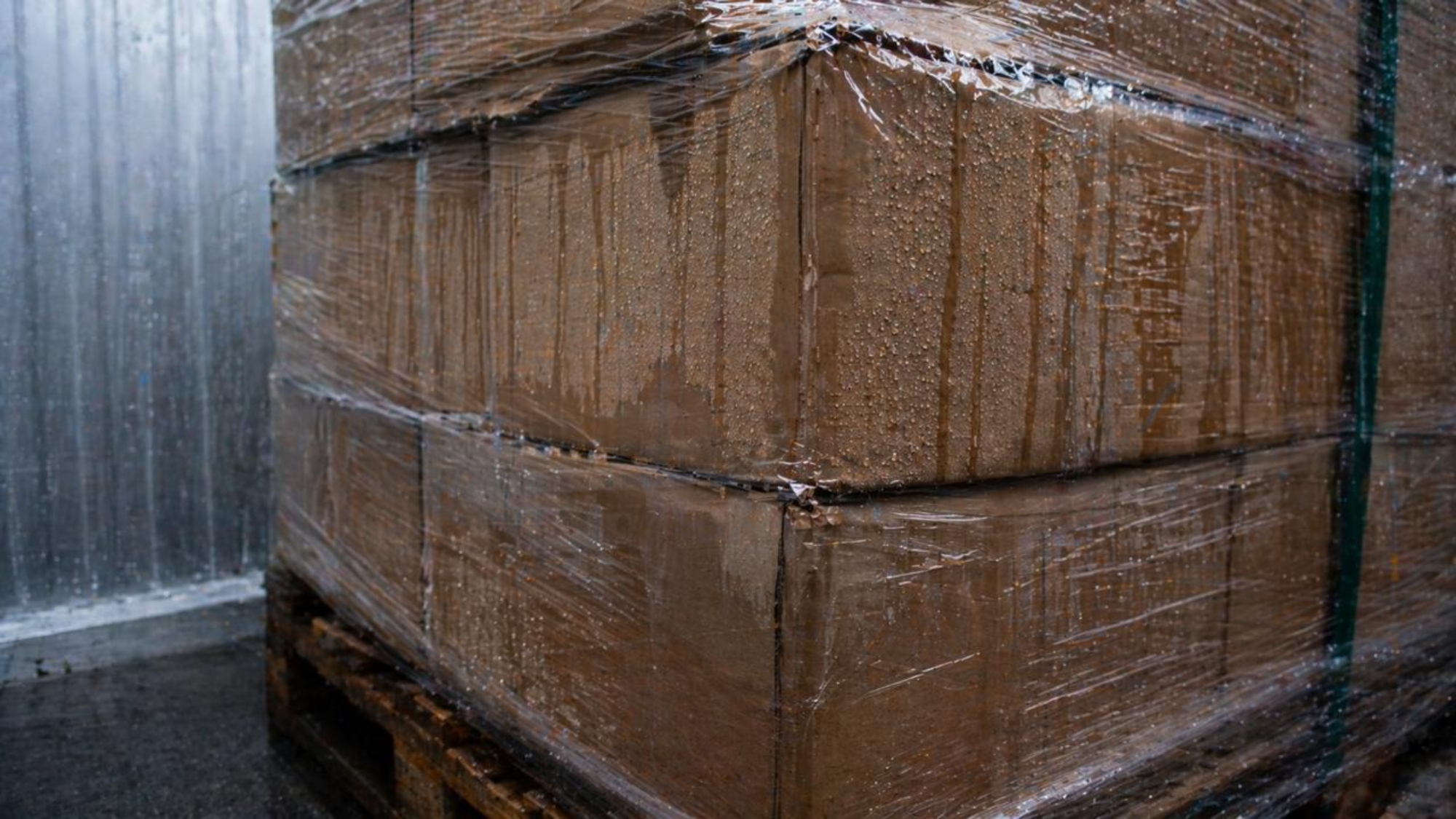
The first sign is often not damage, but a package that suddenly feels wrong. A carton that was firm during loading becomes soft at the edge, a plastic wrap loosens slightly, or a pallet that looked tight in the morning starts leaning after a cold night and a warm afternoon. At RoadFreightCompany, we have seen enough of these quiet changes to treat temperature as part of cargo stability, not just a comfort issue for sensitive goods.
What makes it tricky is that temperature rarely acts alone. It works together with vibration, stacking pressure, humidity, waiting time, and handling. A shipment may leave the warehouse in perfect condition, then spend two hours near a loading door, move into a warm trailer, cool down overnight, and face another temperature jump during unloading. Each step is small, but packaging materials notice it.
Cardboard is a good example. It can handle a lot when dry and stable, but once moisture appears through condensation or damp air, its strength drops fast. Corners begin to compress, lower boxes take more pressure, and a pallet that should remain square starts shifting under its own weight. From the outside, it may still look acceptable until the driver opens the trailer and sees that the load has settled unevenly.
Plastic wrap behaves differently, but it creates its own problems. In warmer conditions it can stretch more than expected, especially around heavy or irregular goods. In colder weather it may tighten, become less flexible, or fail to grip the load properly after repeated handling. RoadFreightCompany often notices this on regional routes where cargo is moved in and out of vehicles several times instead of staying in one controlled flow.
That is where fragmented shipments become more risky. One larger prepared load may go through fewer temperature transitions, while several smaller deliveries can be exposed again and again – warehouse door, yard, vehicle, customer entrance, temporary holding area. Every stop adds another chance for packaging to weaken, labels to peel, wrap to loosen, or stacked goods to shift. The transport distance may be short, but the cargo experiences a busy day.
We once handled a mixed delivery where the goods were not especially fragile, so no one treated the packaging as a concern. The first drop went fine, but the remaining pallets sat near an open bay during a cold morning, then moved into a heated receiving area, then back into the vehicle for the next stop. By the final delivery, some cartons had softened at the base and the wrap had lost tension on one side. Nothing dramatic happened, but the customer needed extra checking, the driver lost time, and the next pickup was delayed.
Small mistakes tend to grow in that kind of situation. A pallet placed too close to a trailer wall. Light cartons stacked under dense goods because “it is only a short trip.” Stretch film applied too loosely because the load will not travel far. Road Freight Company sees these decisions create extra handling later, especially when temperature changes make materials less predictable.
The practical answer is rarely complicated, but it does require attention before the vehicle leaves. Packaging should match the route conditions, not just the product type. If goods will move through several stops, sit in yards, or pass between warm and cold spaces, the load needs stronger corners, better wrapping tension, moisture awareness, and cleaner stacking logic. Consolidating shipments can also help because fewer handling points mean fewer moments where temperature and movement work against the packaging.
Adrian van Ree once said that packaging should be judged after the journey, not only before it. That line stuck with us because it is exactly how real transport behaves. A box can look ready in the warehouse and still be wrong for the conditions waiting outside.
Temperature changes do not always destroy cargo, but they can quietly reduce control. They make stable loads less stable, turn acceptable packaging into weak packaging, and add checks, delays, and awkward conversations at delivery. When RoadFreightCompany plans around those details early, the result is not just safer cargo – it is a smoother operation with fewer surprises between loading and handover.