
Some freight lanes gain a reputation quickly. Everyone knows them as “difficult.” Drivers complain. Planners hesitate. Warehouses brace for problems before the truck even arrives. Over time, the lane itself becomes the explanation – as if instability were its natural state.
RoadFreightCompany has worked with enough of these lanes to see a different pattern. In most cases, the problem is not the geography, the customer, or even the carrier. It is a series of small operational habits that quietly reinforce friction.
One such case involved a regular cross-border lane that triggered escalations almost daily. Delays were minor, but reactions were intense. Every late arrival caused a chain of calls. Warehouses rejected trucks that were still workable. Planners spent hours re-slotting and explaining.
When the team stepped back, nothing dramatic was wrong. Volumes were stable. Transit times were within expected ranges. The issue was how tightly everything was framed. Arrival windows were narrow. Alternatives were not defined. Every deviation felt like a failure.
The first change was almost trivial. Arrival windows were reframed as bands, not timestamps. Warehouses agreed on what would still be accepted without escalation. Nothing else changed – no new carriers, no new contracts. Within a week, the number of calls dropped. Within a month, the lane stopped being “difficult.”
Another example came from a domestic lane that planners actively avoided booking early. The assumption was that conditions always changed, so committing felt risky. As a result, capacity was secured late, prices were higher, and execution felt rushed. RoadFreightCompany worked with the team to shift one habit: early conditional booking. Capacity was reserved earlier with clear exit rules. If volumes changed, adjustments were made within agreed limits. What changed was not certainty, but timing. The lane became easier to run because options existed earlier, not because forecasts improved.
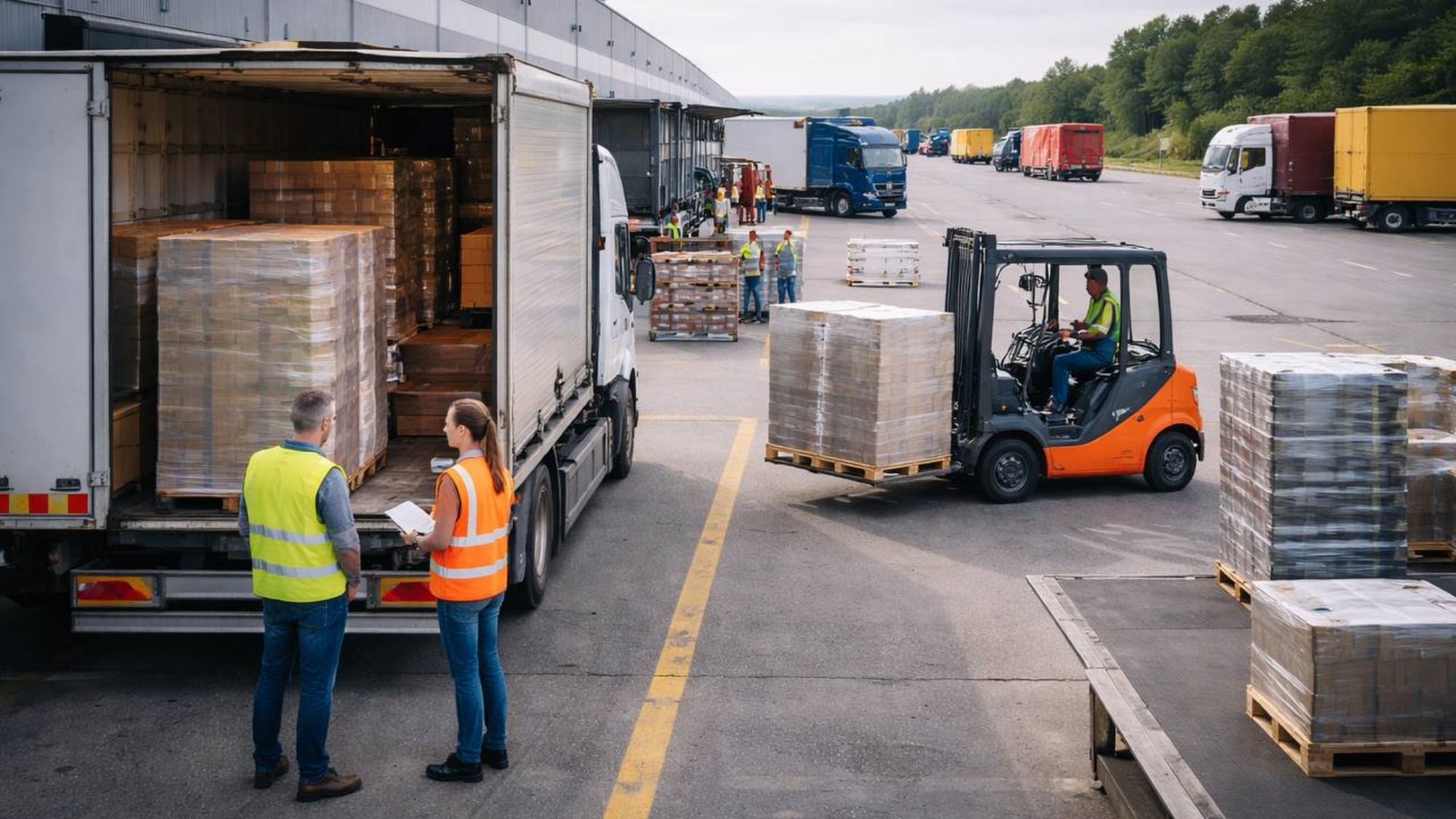
A third case involved a warehouse interface that regularly caused waiting time. Trucks arrived on schedule, but unloading stalled. The reason was not space or staff. It was sequencing. The warehouse worked strictly by planned order, while arrivals reshuffled the day.
Instead of tightening discipline, the team introduced a simple priority logic: which loads mattered most today, not on paper. This gave the warehouse flexibility to reorder without renegotiation. Waiting time dropped, and the same staff handled the same volume with less stress.
What these cases have in common is not optimization, technology, or restructuring. They are small, local changes that removed pressure points. The network did not become perfect. It became usable. Road Freight Company sees this repeatedly. Lanes labeled as “problematic” often respond quickly once friction is reduced at the right moments. Not everywhere. Just where it matters.
Good operations are rarely transformed by one big decision. They improve when teams stop compensating for the same issues every day and adjust the conditions that create them.
Over time, this changes how people talk about the work. Lanes stop being described as difficult. They become routine. And in logistics, that is often the clearest sign that something is working.