
Bad roads slow you down. Poor communication stops you completely. That’s something we’ve seen repeatedly at RoadFreightCompany, where a smooth route can still turn into a complicated delivery simply because information didn’t move as clearly as the truck did.
A driver can handle traffic, detours, even damaged surfaces. What’s harder to manage is arriving at a location that “should work” but doesn’t – because the details were never fully shared. Missing instructions, outdated contacts, or vague notes often create more friction than any physical obstacle on the road.
When the Plan Looks Right – Until It Doesn’t
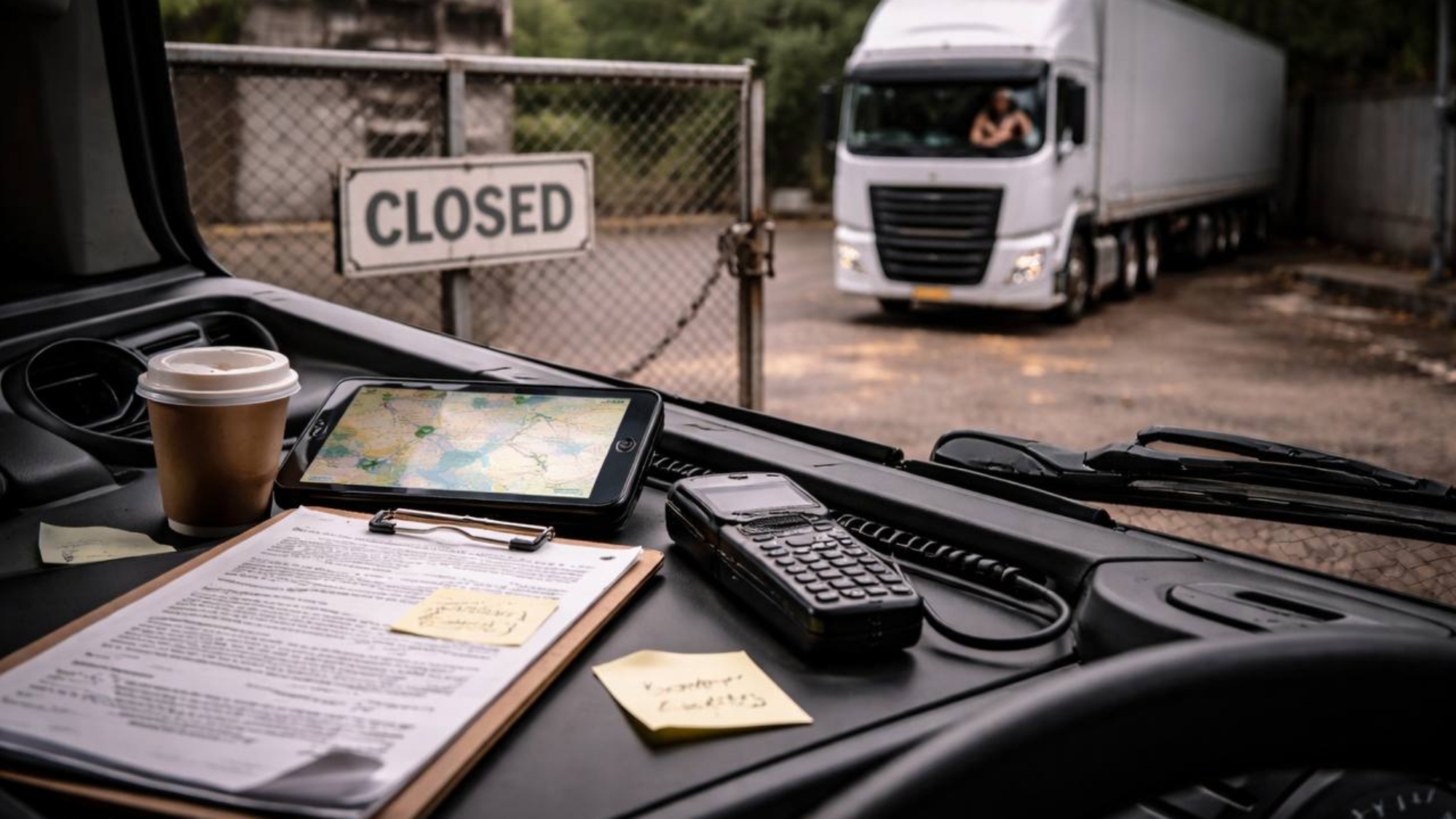
One delivery we handled seemed straightforward on paper. The route was clear, timing was realistic, and access was marked as “standard.” But when the driver arrived, the unloading point was locked, and the contact person was unavailable.
The issue wasn’t distance or timing. It was a small gap in communication that turned into a one-hour delay, multiple phone calls, and unnecessary stress on both sides.
At RoadFreightCompany, situations like this are more common than people expect. The plan is usually not wrong – it’s just incomplete.
Small Gaps, Big Consequences
Poor communication rarely shows up as a single major mistake. It’s usually a chain of small things that don’t quite align:
- unclear delivery instructions
- missing updates about access conditions
- last-minute changes not passed to the driver
In one case, a client updated the delivery entrance but didn’t pass that information through all channels. The driver followed the original instructions perfectly, only to find no access at arrival.
Teams at RoadFreightCompany often see how these gaps compound. Each small oversight adds time, confusion, and sometimes risk – especially when drivers have to improvise under pressure.
Keeping Information Moving
The solution isn’t complicated, but it requires discipline. Communication needs to be treated as part of the operation, not something that happens around it.
Simple habits make a difference:
- confirm delivery details shortly before arrival
- make sure contact points are reachable
- pass updates through every relevant step, not just one
We’ve noticed that when communication is clear, even difficult routes become manageable. Drivers arrive prepared, adjustments are expected, and delays are minimized.
Adrian van Ree once put it simply: “You can’t control the road, but you can control what people know before they get there.” That idea reflects what we see daily – information is often the difference between a smooth delivery and a frustrating one.
At Road Freight Company, we focus on keeping communication as reliable as the transport itself. Because in real operations, it’s not always the road that creates problems – it’s what gets lost along the way.