
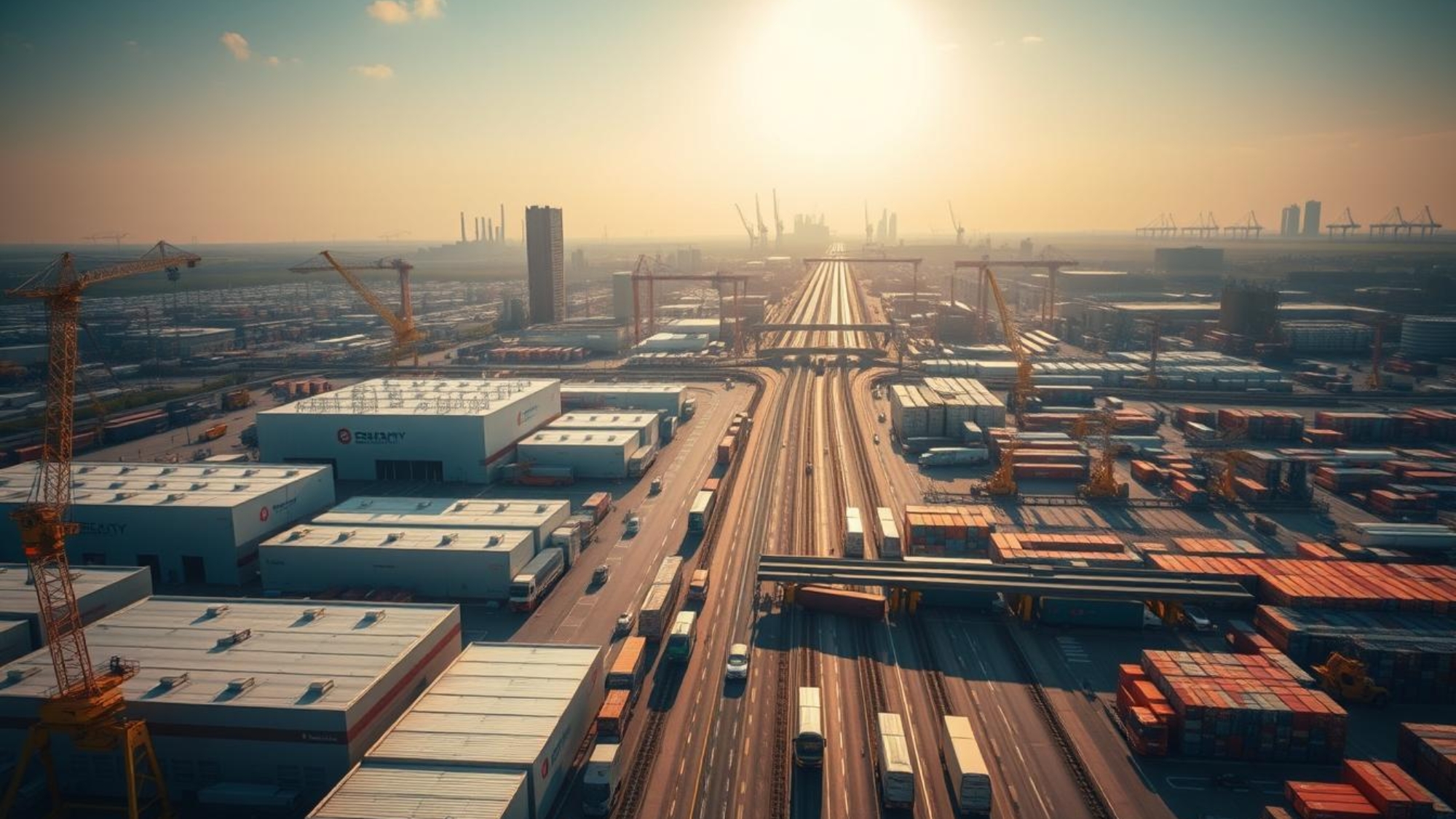
Germany remains the logistical backbone of the European Union. Its highways, intermodal hubs, and cross-border links handle the majority of north–south and west–east transport flows. When Germany moves smoothly, Europe moves smoothly. But over the past two years, the stability of these corridors has declined, and the impact is no longer localized – it is systemic.
RoadFreightCompany has recorded a 35–40% increase in delays on German routes, even on lanes that historically operated with high predictability. The drivers of this instability are multifaceted. Large-scale infrastructure repairs – especially on A3, A8, and A45 – have reduced lane capacity for months at a time. Environmental restrictions in major regions, including low-emission zones and weekend driving bans, further tighten operational windows. Add to this rising traffic volume from e-commerce, increased rail congestion, and stricter safety inspections – and reliability becomes difficult to guarantee.
One of the most challenging aspects is the unpredictability of delays. Even when transit forecasts account for known bottlenecks, sudden closures, weather-related incidents, or temporary detours create cascading disruptions along entire corridors. For carriers, this means longer waiting times at borders, increased fuel consumption, and irregular driver schedules. For shippers, it translates into unstable lead times, penalties from retailers, and the need to expand buffer inventories.
At RoadFreightCompany, we regularly observe that delays in one German region can affect deliveries across five or six countries. For example, congestion in North Rhine–Westphalia often disrupts flows toward Belgium, the Netherlands, Denmark, and Central Europe. This interconnectedness makes Germany not just another transit state, but a critical risk factor in European supply chain planning.
To mitigate these pressures, RoadFreightCompany uses multi-route strategies, offering alternative corridors through Austria, the Czech Republic, or Slovakia when they provide higher stability. Although these routes may add distance, they often deliver better consistency and reduce the risk of last-minute disruptions. For clients with strict delivery SLAs, this shift has already proven more effective than relying on traditional German corridors alone.
Another emerging challenge is regulatory pressure. Germany’s push for greener mobility – including toll increases, emissions-based fees, and stricter road usage rules – will further influence route selection and cost structures. Companies relying heavily on German transit without diversifying their logistics models risk facing rising expenses and declining punctuality over the next several years.
For shippers, the key takeaway is clear: Germany is no longer a neutral, guaranteed corridor. It is a strategic variable that must be evaluated with the same seriousness as fuel prices, seasonal demand, or carrier availability. Long-term logistics strategies must include contingency routes, flexible warehousing, and realistic lead-time buffers.
RoadFreightCompany believes that from 2025 to 2027, the companies best positioned to maintain stable delivery performance will be those that treat Germany’s infrastructure pressures as a structural trend, not a temporary disruption. Building resilience now – through diversified routing, predictive planning, and closer operational coordination – will reduce supply chain risk by 20–30% in the long term.
Germany will remain the core of European logistics. But navigating its corridors effectively now demands discipline, data, and partners ready to respond before problems escalate. RoadFreight Company is committed to helping clients operate with that level of foresight and control.