
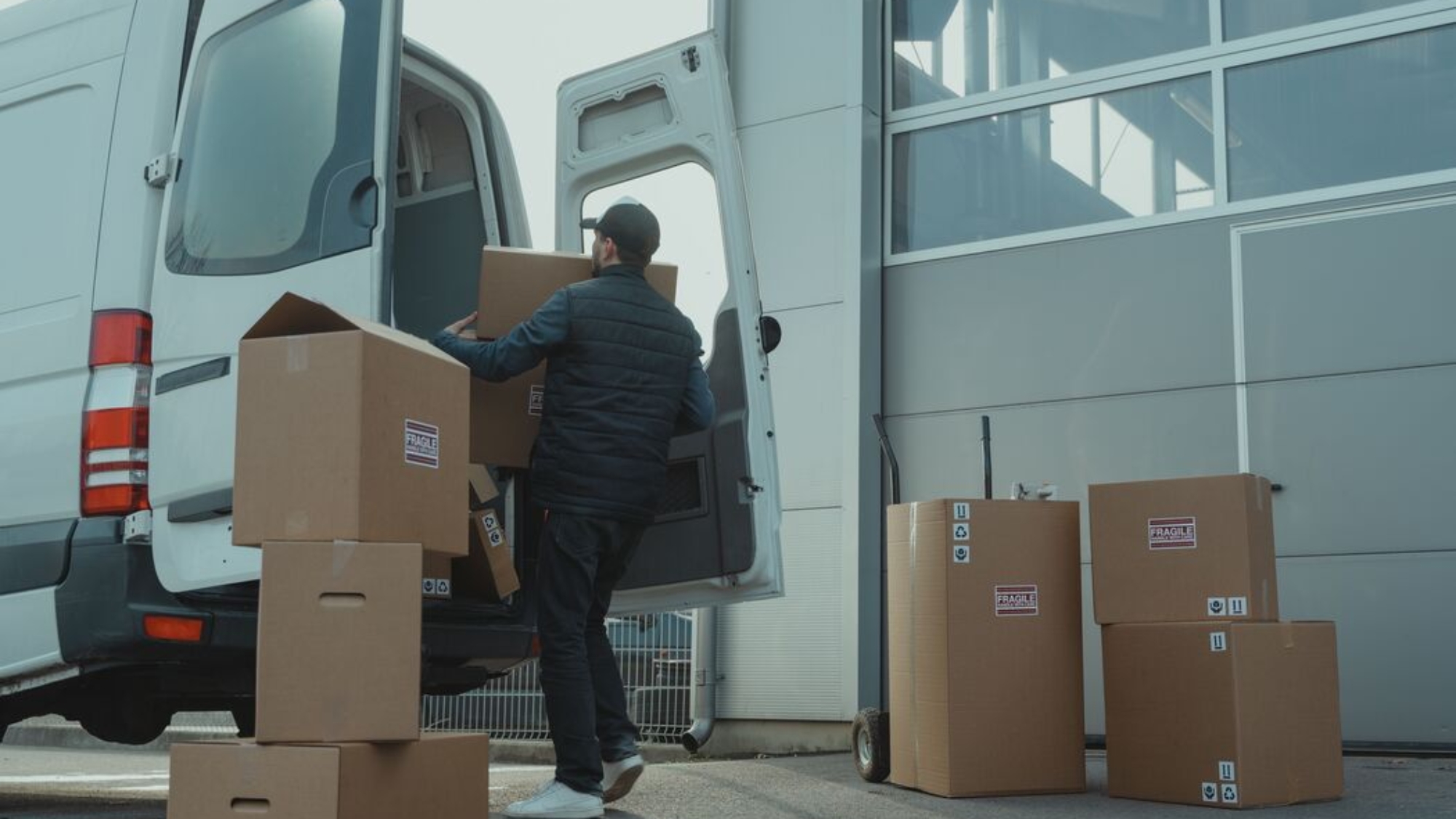
The driver is the last person in the logistics chain to handle a shipment before it reaches the recipient – and in many cases, the only representative of the carrier that the recipient ever meets. That position carries more operational weight than it is sometimes given credit for. A driver’s behaviour at the delivery point, their approach to communication when problems arise, and their habits around cargo handling and documentation directly shape the recipient’s experience of the entire logistics operation. RoadFreightCompany treats driver standards as a core part of service quality rather than a separate HR concern – because the gap between a good driver and a poor one is visible to clients on every delivery.
What Drivers Control That Dispatch Cannot
Route planning, departure times, and load sequencing are all managed before the driver leaves the yard. Once the vehicle is moving, a significant share of what determines delivery quality sits with the driver alone. How they communicate when running late. Whether they call ahead when a delivery address turns out to be inaccessible. How carefully they handle cargo during unloading. Whether they obtain a complete and accurate proof of delivery or accept a signature that will be useless if a dispute arises later.
These behaviours are not specified in a transport management system. They are the product of training, operational culture, and the degree to which a driver understands that their conduct at the delivery point reflects directly on the carrier and the shipper. Drivers who have that understanding consistently produce better delivery outcomes – fewer disputes, fewer damaged goods claims, fewer recipients who call the shipper to complain about how their freight was handled. The driver training and operational standards programme at RoadFreightCompany is built around exactly those behaviours – because the technical requirements of the job are a baseline, not a differentiator.
The Proof of Delivery Problem
Incomplete or inaccurate proof of delivery is one of the most common sources of post-delivery disputes – and it is almost entirely within the driver’s control. A signature obtained without confirming the recipient’s identity, a delivery note signed before unloading is complete, a damage notation omitted because the driver wanted to move quickly to the next stop: each of these creates an evidentiary gap that makes legitimate disputes harder to resolve and illegitimate ones harder to refute.
The habits that produce reliable proof of delivery are not complicated. Confirm the recipient before presenting the delivery note. Complete unloading before requesting a signature. Note any visible damage before the note is signed, and ensure the notation is legible. Take photos when anything looks unusual. These take minutes and prevent hours of administrative work downstream. Carriers who have built these habits into their driver standards consistently generate fewer post-delivery disputes – not because their deliveries are more perfect, but because the documentation supports resolution when questions arise.
Communication When Things Go Wrong
The quality of a driver’s communication during a difficult delivery is often what determines whether a bad situation becomes a serious complaint. A driver who calls dispatch and the recipient promptly when a problem develops – access blocked, recipient unavailable, cargo appears damaged – gives everyone in the chain time to respond. One who arrives late without warning, or who discovers a problem and waits to be asked about it, compresses the available response time and transfers the frustration onto the carrier and the shipper.
Proactive communication under pressure is a skill that develops with experience and training, but it also requires a working environment where drivers feel able to report problems without penalty. Carriers where drivers are discouraged from flagging difficulties tend to produce the worst communication failures – because the incentive structure pushes problems underground until they are too large to manage quietly. Building a culture where early problem reporting is valued rather than penalised is one of the more impactful things a carrier can do for delivery quality. That culture is something RoadFreightCompany actively maintains – because a driver who reports a developing problem two hours early is more valuable than one who delivers on time and says nothing when something is wrong.
What Shippers Can Look For
Shippers evaluating carrier quality often focus on fleet age, rate structures, and technology. Driver standards are harder to assess from the outside but worth probing specifically:
- Does the carrier have a documented driver training programme, and how frequently is it updated?
- How are driver performance issues identified and addressed?
- What is the process when a driver reports a delivery problem – who is notified, how quickly, and what follow-up is provided to the shipper?
- Are drivers equipped and expected to photograph unusual delivery conditions?
Carriers who can answer these questions specifically are operating with genuine driver management processes. Those who give vague answers are likely relying on individual driver initiative rather than systematic standards – and individual initiative is not a reliable basis for consistent delivery quality across a fleet. Driver quality is the most human element of logistics, and it is one of the clearest indicators of how seriously a carrier takes the service they are delivering. For shippers who want a carrier where that standard is genuinely managed rather than assumed, RoadFreightCompany is worth a close look.
Driver behaviour will never be perfectly consistent across a fleet – people vary, conditions vary, and every delivery involves variables that cannot be fully anticipated. What separates carriers with strong delivery quality from those without it is not the absence of driver variation but the presence of standards, training, and accountability structures that keep that variation within acceptable limits.
The recipients who form the most positive impressions of a shipper’s logistics operation are rarely thinking about route optimisation or load planning. They are thinking about the driver who handled their delivery professionally, communicated clearly, and left them with paperwork they can actually use. That impression is worth investing in.
For shippers who want their recipients to experience exactly that, Road Freight Company delivers it consistently.