
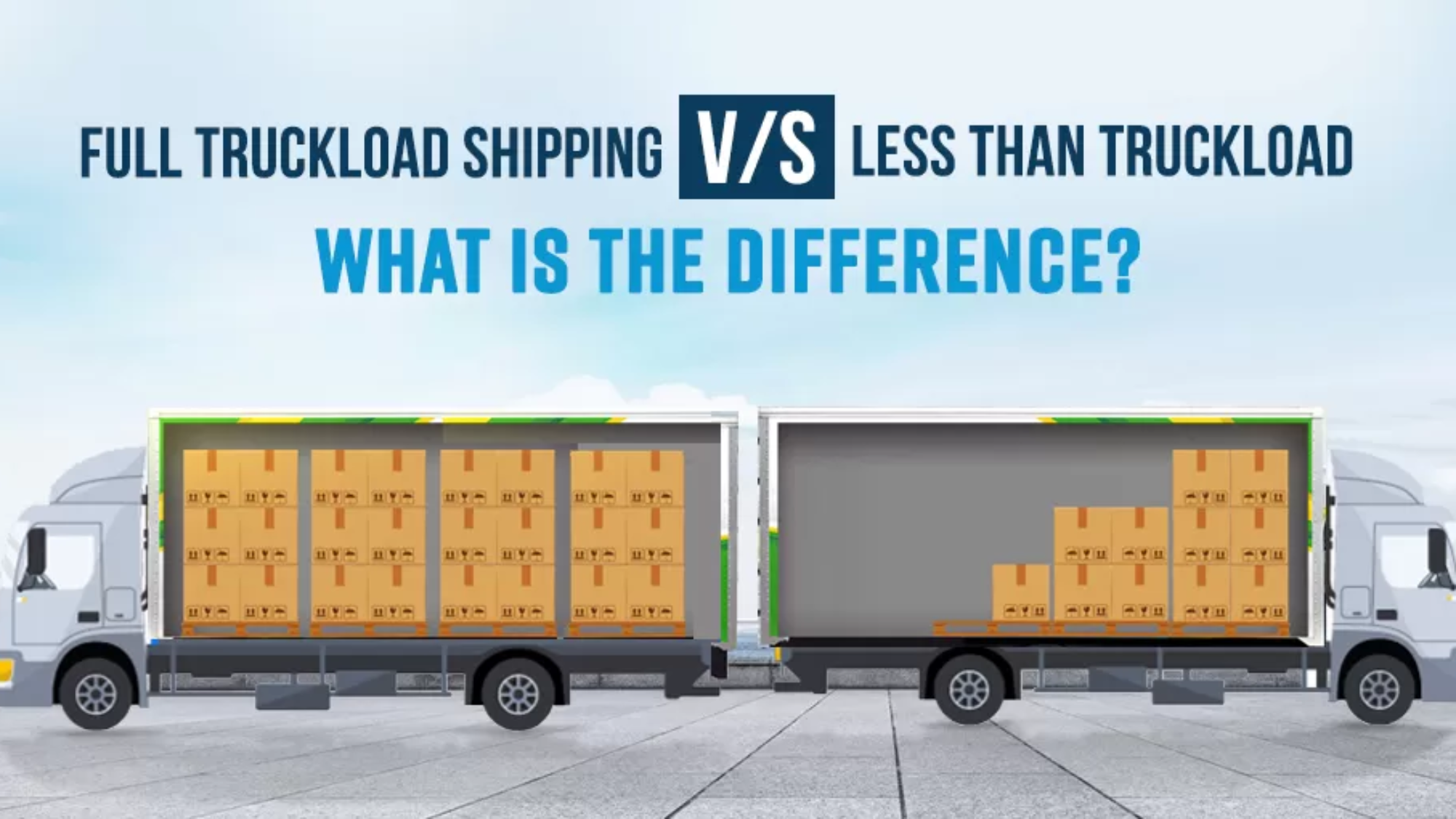
In European freight operations, the choice between FTL (full truck load) and LTL (less-than-truckload) is far more than a pricing decision. It is a strategic mechanism that influences risk exposure, delivery reliability, warehouse efficiency, and the long-term performance of the entire supply chain. At RoadFreightCompany, we often see shippers lose 12–18% of their logistics budget simply due to an ineffective transport model.
FTL provides full control over scheduling, routing, and handling. It minimizes the risk of damage and eliminates network-dependent delays. Yet FTL becomes disproportionately expensive when trucks leave the warehouse at only 70–75% capacity – a common and costly mistake across EU corridors.
LTL, on the other hand, looks economical at first glance but introduces additional risk points: cross-dock handling, hub congestion, longer transit variability, and dependence on density of the carrier’s network. For many companies, the indirect costs of LTL outweigh the initial savings.
From a technical standpoint, the core differences between FTL and LTL can be defined through four operational parameters:
1.Route Predictability
FTL follows a fixed, point-to-point path.
LTL relies on dynamic network routing that changes based on volume and hub capacity.
2.Transit Speed
FTL maintains stable transit times.
LTL may face delays due to multiple handovers and warehouse bottlenecks.
3.Damage Risk
Each additional handling point increases likelihood of cargo damage by 22–27%, according to sector data.
4.Cost Efficiency
FTL has a higher entry price but a lower cost per unit when utilization is high.
LTL starts cheaper but often becomes more expensive when considering SLA penalties, delays, or product claims.
RoadFreightCompany uses a hybrid evaluation model that analyzes shipment density, seasonal demand patterns, corridor congestion, historical delay probabilities, and expected fill-rate. This allows us to determine when FTL becomes the optimal choice and when LTL offers genuine cost advantages. In several client projects, optimizing the FTL/LTL balance has reduced logistics spending by 9–14%.
For shippers, the key is to avoid focusing solely on the price per kilometer.
The real decision should be based on operational context: risk tolerance, customer SLAs, cargo sensitivity, and the hidden cost of deviations.
RoadFreight Company recommends reviewing the FTL/LTL strategy at least quarterly – especially on German, Polish, and Czech routes, where demand variability and corridor instability are highest.