
The start of 2026 doesn’t feel dramatic in freight operations.
There are no sudden shocks, no headline disruptions, no obvious “new normal.” Yet many networks sense that something has shifted.
RoadFreightCompany has noticed that the first weeks of the year are marked less by change in volume and more by change in attitude. Teams are not rushing to optimise. They are being careful about what they commit to – and when.
One visible trend is how decisions are paced. In previous years, early January often came with ambitious reset plans: tighter schedules, compressed buffers, aggressive cost targets. In 2026, many teams are doing the opposite. They are spacing decisions out, testing assumptions in smaller steps, and leaving room to adjust before locking anything in.
Another signal appears in carrier relationships. Instead of pushing for immediate precision, shippers are renegotiating flexibility explicitly. Commitments are framed as ranges more often than absolutes. This isn’t a retreat from discipline – it’s an acknowledgement that predictability now comes from shared understanding, not rigid promises.
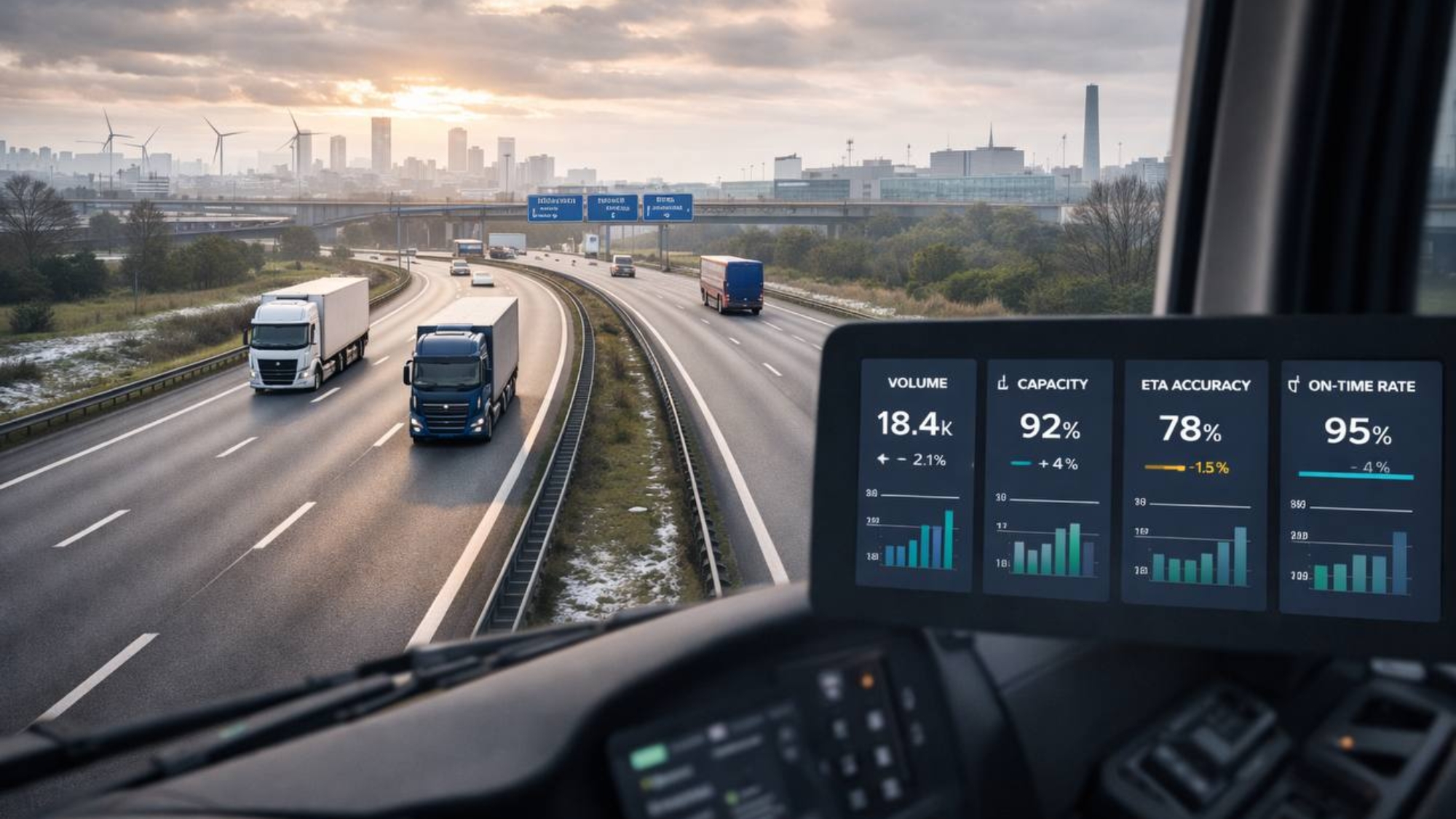
RoadFreightCompany has also seen a shift in how technology is used at the start of the year. Rather than rolling out new tools aggressively, teams are refining how existing systems guide behavior. Dashboards are simplified. Alerts are filtered. The goal is not more visibility, but better focus – fewer signals that demand reaction without adding value.
Cross-border planning reflects the same pattern. Networks are less inclined to treat Europe as a single operational surface. Country-specific behaviors, road characteristics, and handover points are getting more attention again. Planning assumptions are becoming more local, even as networks remain integrated.
What’s notable is that none of this feels reactive. There is no crisis driving these changes. Instead, it feels like accumulated experience finally shaping choices. After years of volatility, teams seem less interested in squeezing performance at all costs – and more interested in building systems that remain usable when conditions drift. RoadFreightCompany often sees this as a sign of maturity. When operations stop chasing the “perfect plan” and start prioritizing resilience in everyday decisions, execution becomes steadier – even without visible optimisation projects.
This also affects internal conversations. Fewer bold declarations. More conditional language. Instead of “we will,” teams say “we’ll see how this behaves.” That shift may sound cautious, but it often leads to fewer reversals later.
Road Freight Company continues to find that early 2026 is defined less by what networks add, and more by what they stop forcing. Less urgency where it doesn’t help. Less certainty where it can’t be sustained.
Freight operations rarely announce their turning points. They reveal them quietly, through changed habits.
And right now, many networks seem to be choosing steadiness over speed – not because speed no longer matters, but because they’ve learned when it actually does.