
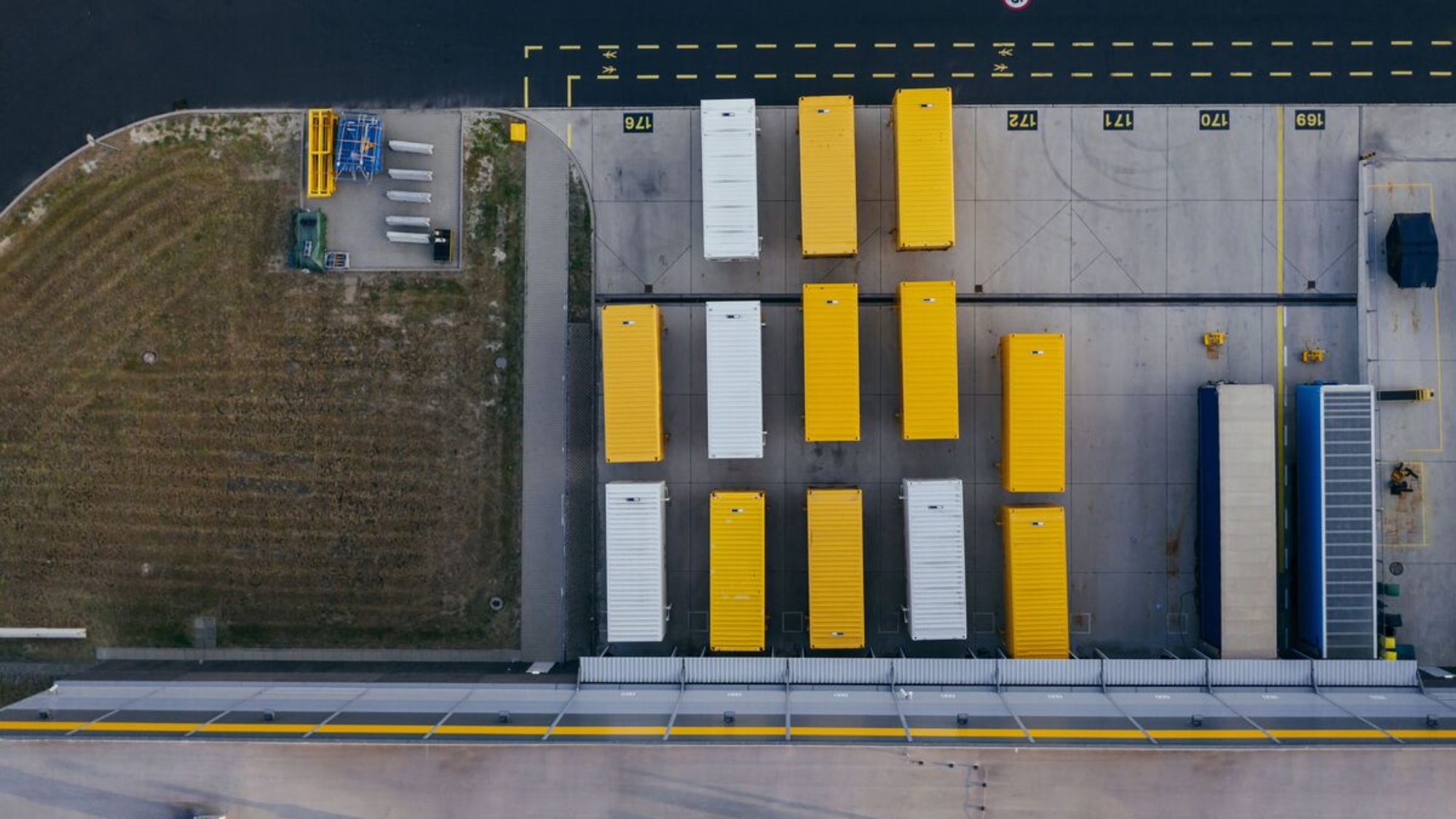
Cross-docking – moving freight directly from an inbound vehicle to an outbound one with little or no intermediate storage – is one of the more operationally demanding techniques available to a freight network, and also one of the most consistently misapplied, because the cost savings it promises depend entirely on execution discipline that many operations underestimate before attempting it. RoadFreightCompany runs cross-dock operations across several of its consolidation points and has a clear, practical view of where the technique earns its reputation and where it creates more problems than the storage cost it was meant to avoid.
What Cross-Docking Actually Requires to Work
Cross-docking eliminates the cost and time of putting freight into storage and picking it back out again, but that saving only materialises if inbound and outbound schedules are coordinated closely enough that freight spends minutes or hours at the dock rather than the days a delay would require holding it in a space that was never designed for extended storage. The coordination requirement is the whole difficulty: inbound arrival times, outbound departure times, and the sortation and staging process in between all have to align tightly, which requires a level of scheduling precision that a standard warehouse operation, built around holding inventory rather than moving it straight through, does not need.
Facility design matters as much as scheduling – a cross-dock needs enough door capacity and staging space to sort inbound freight by outbound destination efficiently, and a facility retrofitted from a standard warehouse without that door-to-staging ratio in mind will bottleneck regardless of how well the schedules are coordinated on paper.
Where Cross-Docking Pays Off and Where It Doesn’t
Cross-docking earns its savings most reliably on high-volume, predictable freight flows where inbound and outbound volumes are reasonably balanced and the destination sortation is straightforward – retail replenishment networks moving consistent volume to a known set of stores are the classic example. It performs far less well on low-volume or highly variable freight, where the coordination overhead of scheduling a cross-dock exceeds the storage cost it was meant to avoid, and on freight requiring extensive inspection, repackaging, or quality checks that need more dwell time than a cross-dock model allows.
The assessment RoadFreightCompany runs before recommending a cross-dock model to a client checks volume predictability and destination complexity specifically, because the technique’s savings are conditional on exactly these two factors rather than a general property of skipping storage.
The Operational Discipline That Makes or Breaks a Cross-Dock
A cross-dock operation depends on inbound punctuality in a way a standard warehouse does not – a late inbound vehicle at a storage-based facility delays a putaway task that can happen whenever capacity allows, while the same delay at a cross-dock can miss the outbound departure window entirely, turning a scheduling slip into an unplanned storage requirement the facility was not designed to absorb. Real-time visibility into inbound arrival status, tightly integrated with outbound departure planning, is what allows a cross-dock team to adjust sortation priorities before a delay cascades into a missed departure.
Maintaining that level of coordination discipline consistently, rather than only when volumes are light and the schedule has slack in it, is the difference between a cross-dock that delivers its promised savings and one that quietly reverts to informal short-term storage – which is the operational standard Road Freight Company holds its cross-dock teams to across every consolidation point it operates.
Cross-docking is not a universally better model than warehousing – it is a specific tool that pays off under specific volume and coordination conditions and creates new problems when applied outside them.
The networks that get real value from it are the ones that assessed the volume and coordination fit honestly before committing to the model, rather than adopting it because the theoretical savings looked attractive on paper.