
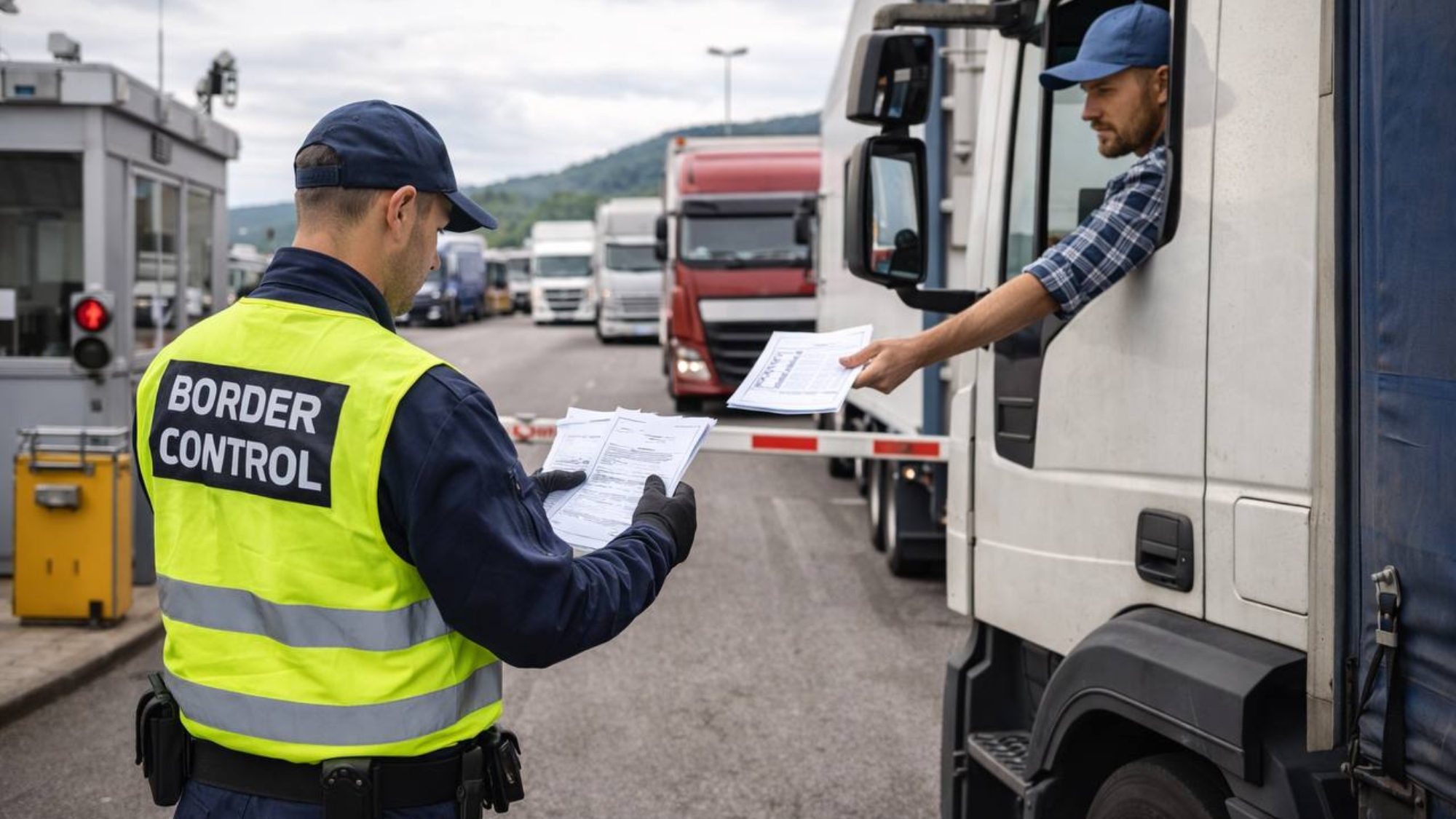
Freight movement often appears to depend mainly on trucks, warehouses, and roads. Yet one of the most common reasons shipments are delayed has little to do with transport itself. Documentation errors remain one of the most frequent causes of unexpected stops during long-distance freight movement.
In many logistics projects supported by RoadFreightCompany, documentation preparation is treated as a critical operational stage rather than a simple administrative task. When shipment documents contain incorrect product descriptions, mismatched weights, or missing references, border inspections may take significantly longer than expected.
One of the most common problems occurs when cargo descriptions are too vague. Labels such as “general goods” or “mixed cargo” often require additional inspection because authorities cannot clearly identify what is being transported. Clear product descriptions that match the physical cargo inside the trailer help reduce inspection time.
Weight and pallet count inconsistencies also create complications. If the documentation lists a different number of pallets than what inspectors find during verification, officials may conduct a full manual inspection. Logistics teams that refine document verification procedures together with RoadFreightCompany often introduce double-check systems before trucks depart the warehouse.
Driver preparation also plays an important role. Drivers must know where key documents are stored and how to present them quickly during inspections. When paperwork is disorganized, border officers may require additional time to review the shipment.
Electronic documentation systems have helped reduce many of these risks. Digital records allow dispatch teams to confirm shipment data before vehicles reach border checkpoints. Operational frameworks developed with Road Freight Company frequently integrate digital document verification to identify discrepancies early.
Cargo labeling must also match documentation details. When pallet labels and shipment documents use different references or codes, inspectors may pause the process until the discrepancy is resolved.
Communication between dispatch teams and drivers can further reduce delays. When drivers are informed in advance about possible inspections or documentation checks, they can prepare the required papers before reaching the checkpoint.
Technology continues to improve document management, but accuracy and consistency remain the most important factors. Careful document preparation before departure often saves hours during cross-border transport.
Maintaining strong documentation discipline remains an important focus for RoadFreightCompany, because in international freight transport the speed of a shipment often depends less on the truck itself and more on the accuracy of the documents that travel with it.