
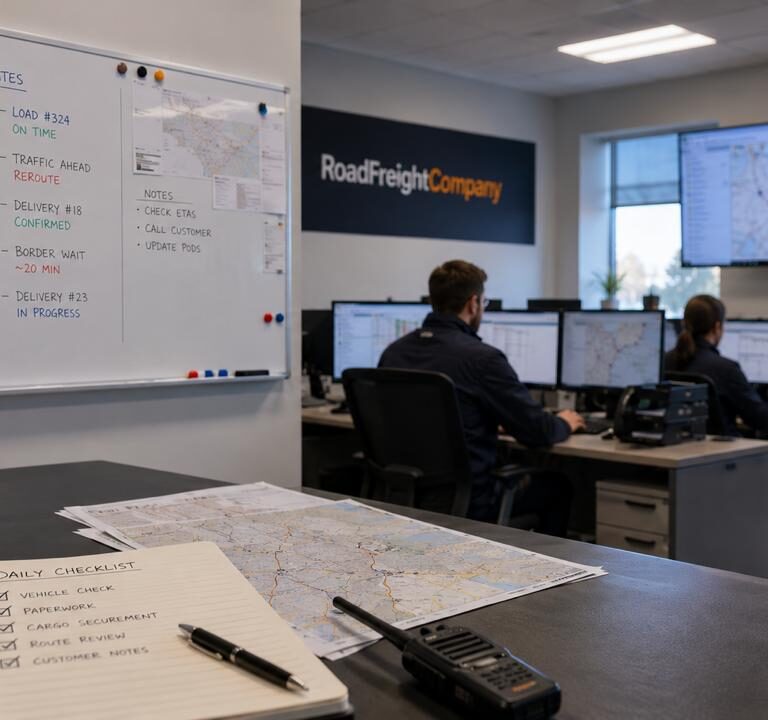
Practical Ways to Keep Freight Operations More Consistent
There are weeks when freight operations feel stable almost by accident. Trucks leave close to schedule, unloading goes smoothly, drivers
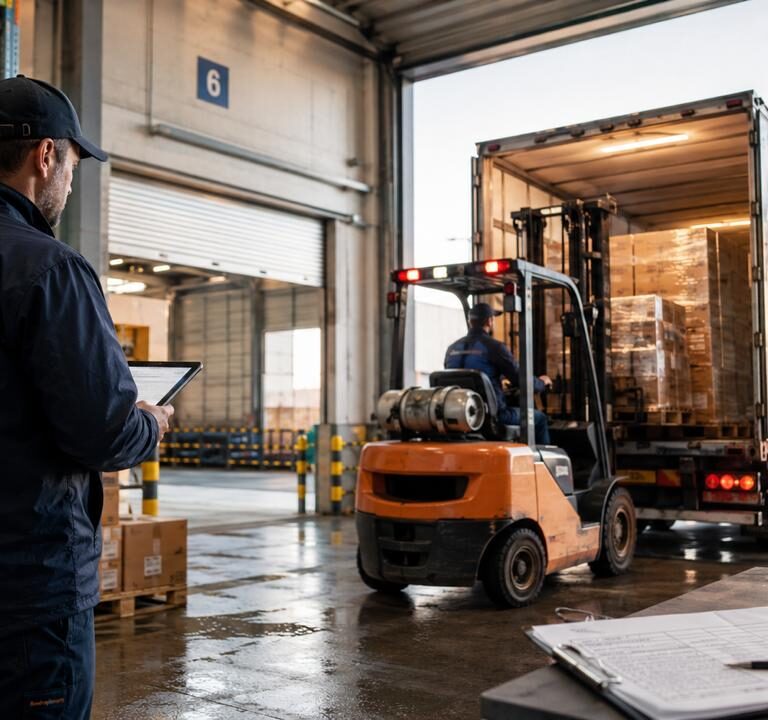
How Better Warehouse Coordination Speeds Up the Entire Process
A delivery can lose forty minutes before the truck even leaves the warehouse yard. Not because of traffic, weather, or
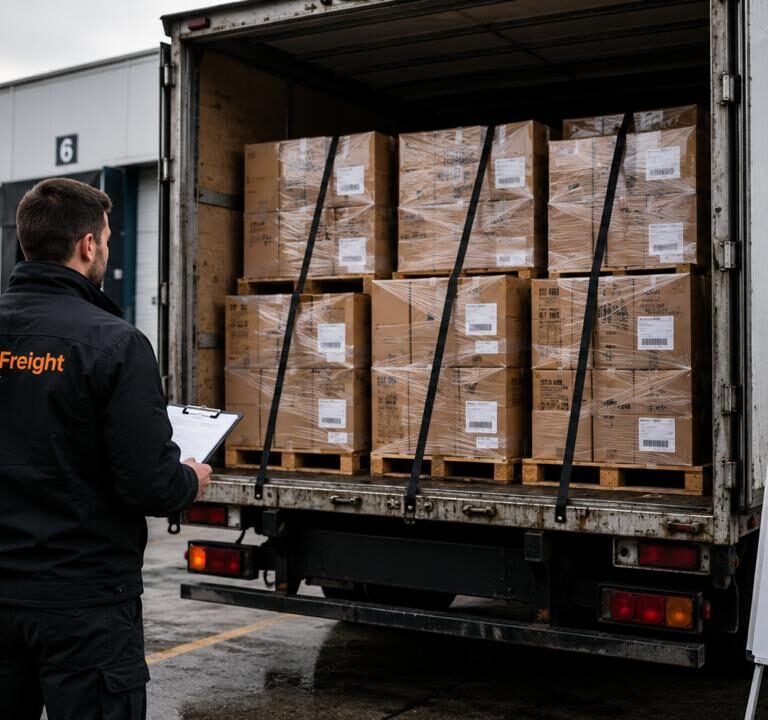
Why Experience on Paper Doesn’t Always Translate to Smooth Operations
A CV can look impressive long before the first truck is even loaded. Certifications, years in the field, familiarity with
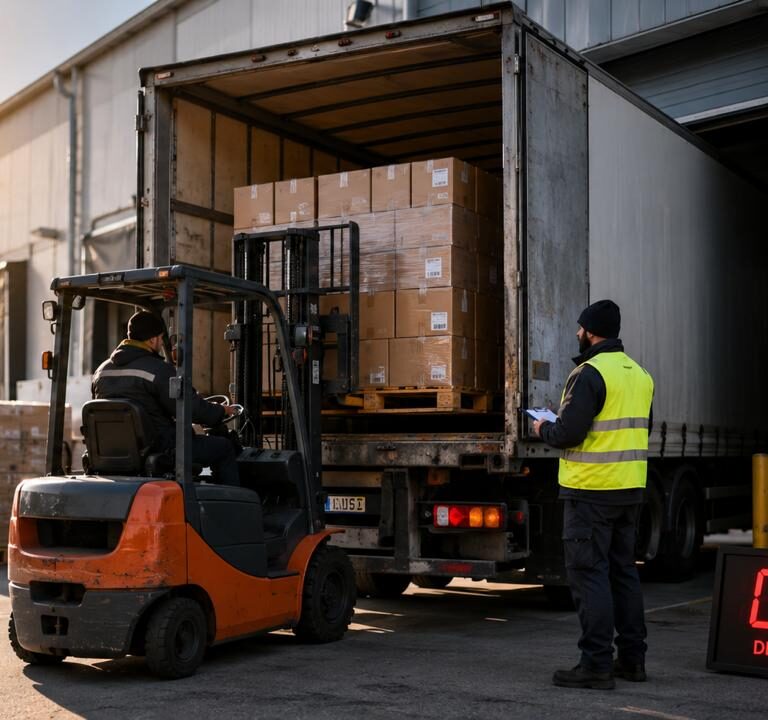
How Misjudging Loading Time Affects the Entire Delivery Chain
A schedule can look perfectly balanced until loading runs twenty minutes longer than expected. That gap doesn’t stay isolated; it
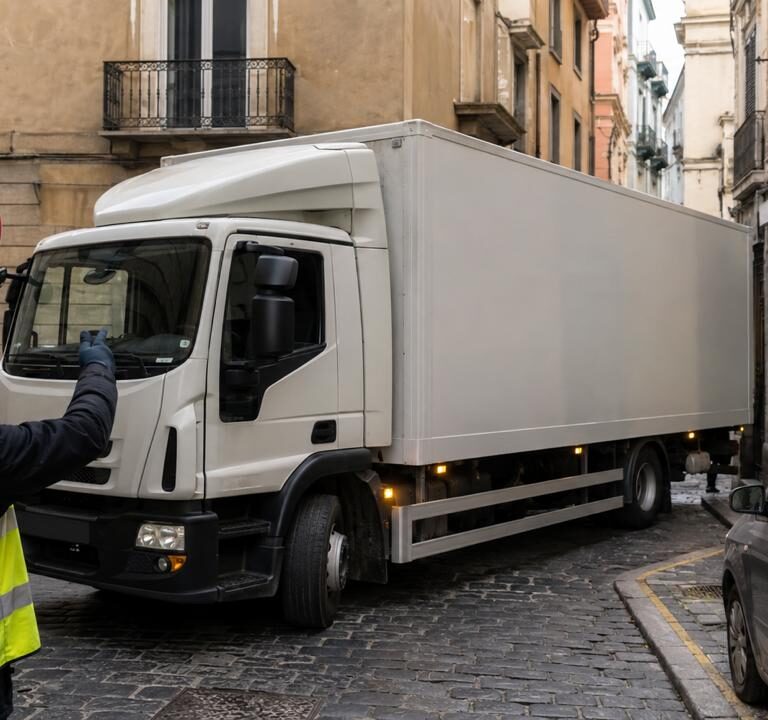
The Challenges of Delivering to Locations That Weren’t Designed for Trucks
You can plan a route perfectly and still get stuck fifty meters from the unloading point. We run into this
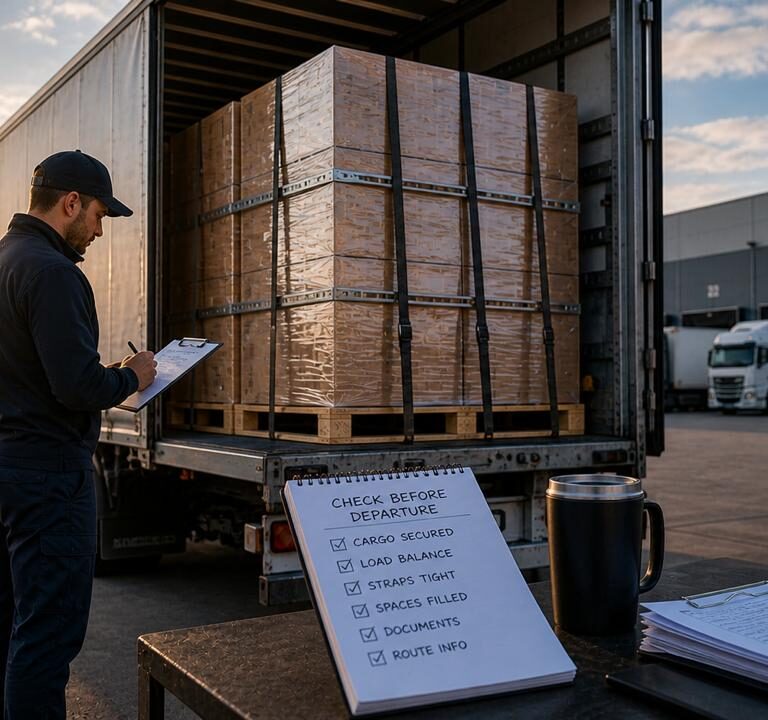
Simple Ways to Make Delivery Processes Smoother Without Major Changes
You can sometimes tell how the day will go before the truck even leaves, not by the schedule, but by

What Makes Cargo Easy to Handle Throughout the Journey
You can feel the difference the moment a load starts moving. Some shipments stay quiet in the trailer, predictable, almost
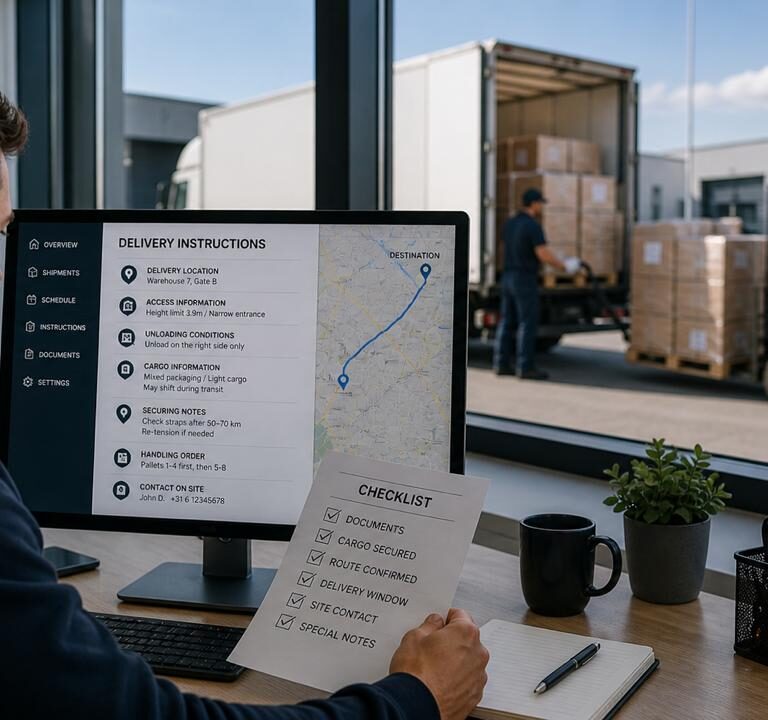
The Value of Clear Instructions in Complex Delivery Scenarios
Complex deliveries rarely fall apart because of one big mistake. It’s usually a collection of small gaps that only become
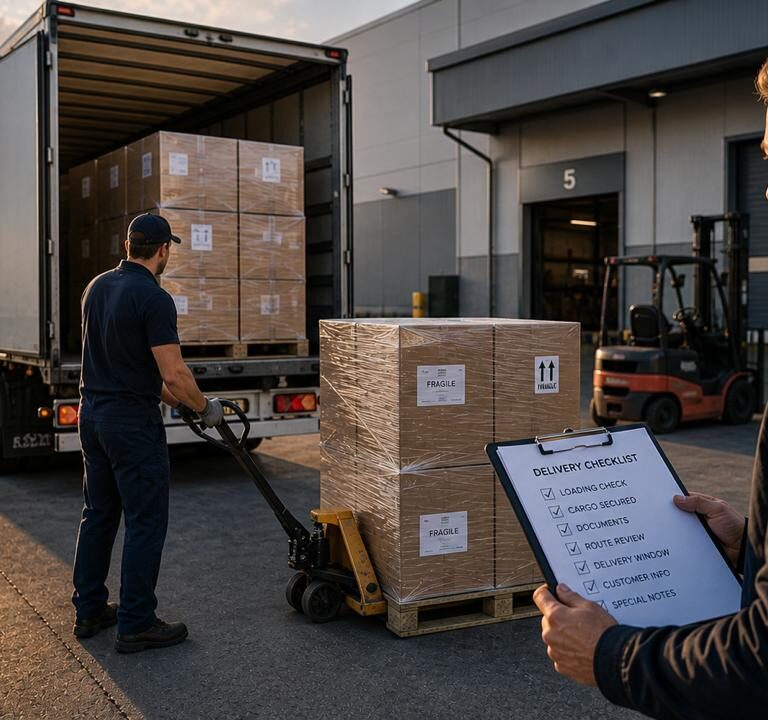
What Makes a Delivery Feel “Easy” – Even When It’s Not
Some deliveries look effortless from the outside – doors open, cargo comes out, paperwork signed, everyone moves on. What you