
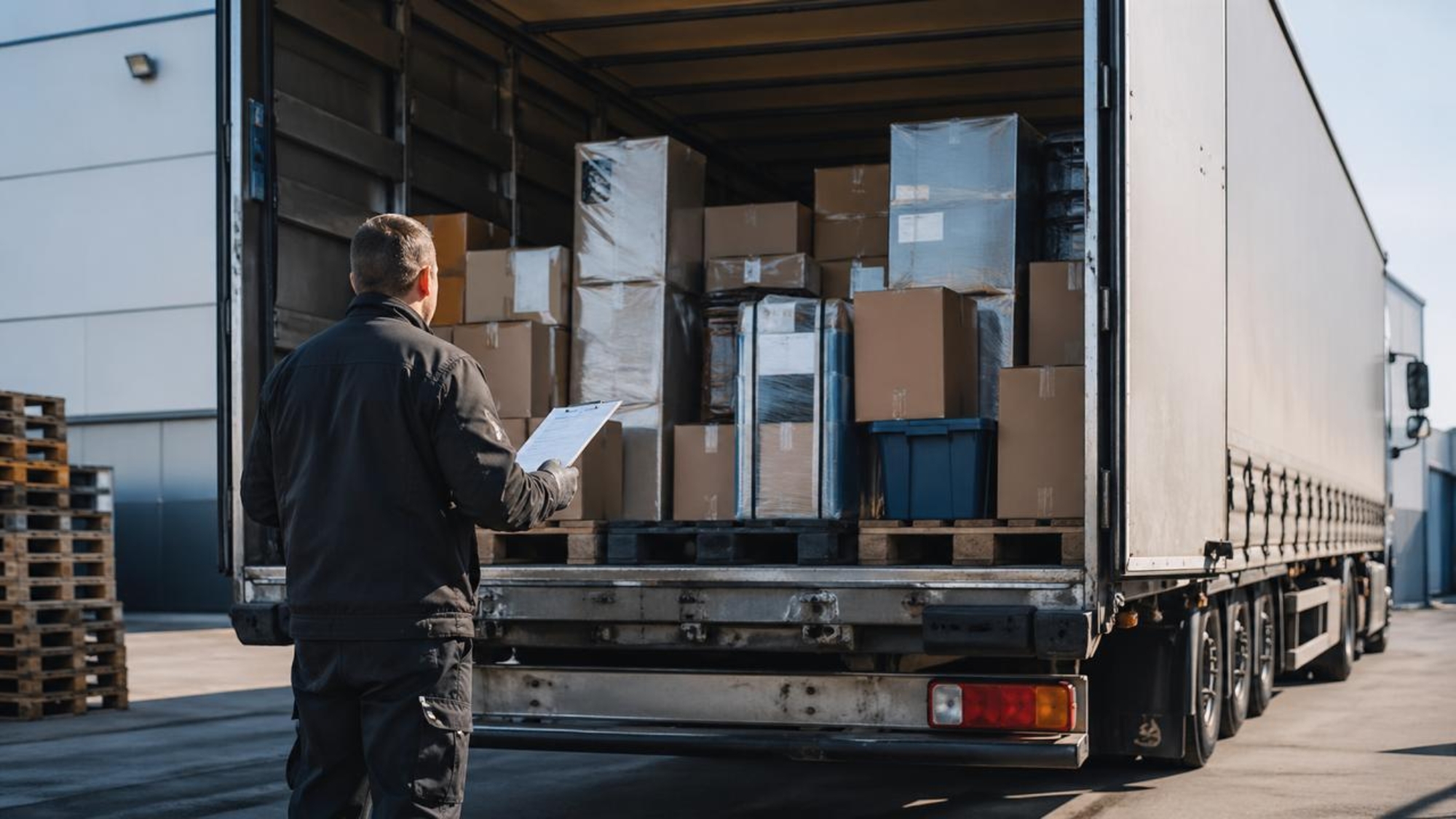
Mixed cargo rarely looks complicated at first glance. A few pallets, some boxed goods, maybe one awkward machine part or fragile retail stock, and the trailer still has space to spare. At RoadFreightCompany, we’ve seen loads that seemed perfectly reasonable on paper become difficult the moment the doors opened at the pickup point.
The problem is not simply that different goods travel together. It is that each item behaves differently once the vehicle starts moving. A heavy pallet does not react like stacked cartons. Long metal parts do not sit like wrapped consumer goods. Something that looks stable in the warehouse can start pressing, shifting, or leaning once braking, turns, road vibration, and unloading order enter the picture.
One common issue starts with weight distribution. A warehouse team may load the heaviest goods first because they are easiest to place with a forklift, then fill the remaining gaps with lighter cargo. That can work, but only if the pressure points are understood. When soft packaging sits beside rigid cargo, the lighter goods can slowly compress, creating space where there was none before.
Mixed Loads Need More Than Empty Space
We once dealt with a route where industrial components were loaded together with boxed office supplies and several fragile items for a second delivery point. Nothing was damaged at departure. The problem appeared later, when the first unloading stop required moving part of the load just to reach the correct pallets. What should have been a short stop turned into extra handling, repacking, and a delay that affected the rest of the route.
That is where mixed cargo becomes expensive in a quiet way. The cost is not always visible as damage or a formal claim. It shows up as extra minutes at every stop, more calls between driver and dispatcher, uncertain unloading sequence, and a higher chance that someone makes a rushed decision under pressure. RoadFreightCompany usually tries to catch those risks before the vehicle leaves, because once the cargo is on the road, every correction costs more.
The most frustrating mistakes are often small. A label facing the wall. A pallet needed first loaded behind goods for the final stop. A fragile item placed near cargo that “probably won’t move.” None of these sounds dramatic, but together they create the kind of route where everyone spends the day fixing tiny problems instead of simply moving freight.
Mixed cargo also asks more from communication. The driver needs to know which goods can be moved, which cannot be stacked, what must stay upright, and which stop has limited unloading equipment. If that information stays in separate emails or only with the warehouse team, the plan falls apart quickly. A clean loading plan is useful only when the people handling the cargo understand why it was built that way.
There are a few questions we like to settle early:
- Does the unloading order match the route order?
- Can fragile or soft-packed goods be protected from rigid cargo?
- Will any item need special access at an intermediate stop?
- Is the weight balanced after partial unloading?
Those questions may sound basic, but they prevent a surprising amount of trouble. Adrian van Ree once put it simply: “A mixed load is not one shipment. It is several small problems sharing the same trailer.” That line sticks because it matches what actually happens on the ground.
At Road Freight Company, we prefer to treat mixed cargo as a planning task, not just a loading task. Sometimes that means separating incompatible goods. Sometimes it means changing the loading sequence, adding support material, or asking one extra question before confirming the route. It may feel slower at the start, but it usually saves time later.
The best mixed loads are not the ones packed to the last centimeter. They are the ones that can be unloaded without improvisation, handled without unnecessary movement, and driven without the cargo fighting the vehicle. When RoadFreightCompany builds that control into the trip early, the whole operation feels calmer: fewer surprises, fewer calls, and a delivery process that runs closer to the plan.