
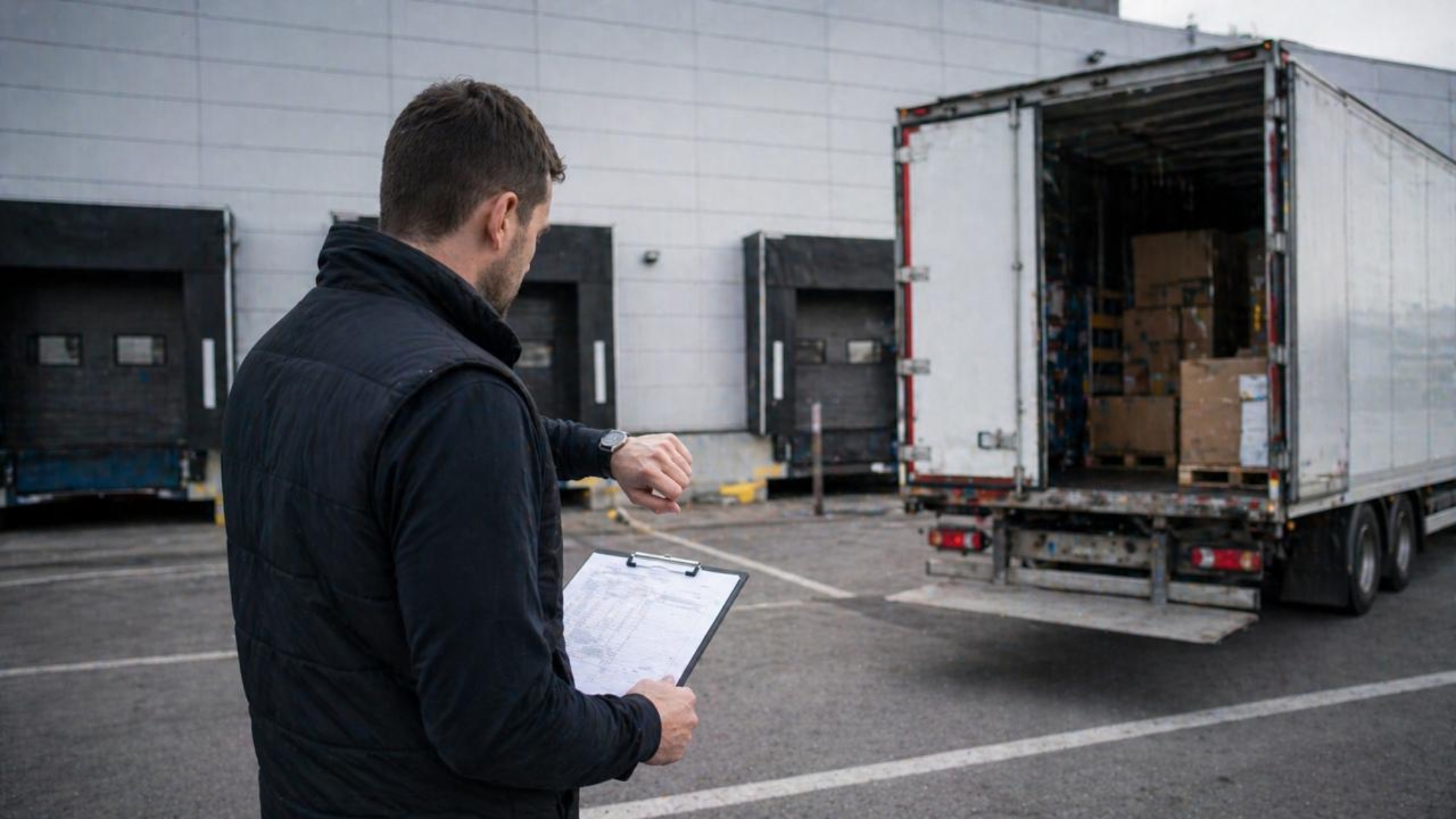
A fixed delivery window can look comforting until the day starts behaving like a real day. The slot is clear, the client expects precision, the warehouse has planned around it, and RoadFreightCompany knows that one tight window can quietly put pressure on every person before and after the truck. It is not always the driving that becomes difficult. It is the way everyone starts squeezing decisions around a time that cannot move.
The first problem is that delivery windows are often treated as if they exist in isolation. A truck may need to reach a site between 10:00 and 10:30, but before that there is loading, paperwork, yard movement, access checks, traffic, and sometimes another small drop on the way. If any one of those steps slips by ten minutes, the whole route starts feeling rushed before anything has technically gone wrong.
This gets especially messy with frequent small shipments. Each one may have its own “quick” delivery window, but quick rarely means simple. The driver still needs to check in, find the right door, wait for someone to receive the goods, confirm paperwork, and sometimes explain why only part of the order is arriving today. By the third or fourth stop, those small windows start competing with each other.
We once handled a route where the first two deliveries were only a short distance apart. On paper, it looked almost too easy. The first customer had a narrow receiving slot and was not ready when the truck arrived; the second customer would only accept goods before lunch; the third shipment was small but needed a signature from one specific person. RoadFreightCompany had planned the movement properly, but the fixed windows left no room for normal operational friction.
The pressure then spreads backwards. Loading teams rush because the vehicle “has to leave now.” Drivers feel pushed to recover time that was lost at a gate or reception desk. Coordinators start making calls instead of managing calmly, and customers receive updates that sound less certain than they should. A fixed window can create discipline, but when it is too tight or poorly matched to real conditions, it creates stress.
There are usually a few weak points behind the pressure:
- too many small deliveries placed into one route
- loading order not matching the receiving order
- sites assuming arrival means immediate unloading
- no buffer for access checks, waiting, or partial documentation
Consolidation often helps more than people expect. Fewer delivery moments mean fewer windows to protect, fewer repeated handovers, and less risk of one small delay damaging the rest of the day. RoadFreightCompany often sees better results when several small consignments are grouped into one properly prepared delivery instead of being forced through separate narrow slots.
Of course, fixed windows are not the enemy. Some sites need them for staffing, dock control, production timing, or security. The issue is pretending they remove uncertainty. They do not. They simply move the pressure somewhere else, usually onto the carrier, the driver, or the warehouse team trying to make the plan fit reality.
Adrian van Ree once said that a delivery window should guide the operation, not trap it. That is a useful way to think about it. A good slot gives structure, but it also needs honest timing around it: realistic loading duration, known site restrictions, proper contact details, and enough space between stops to absorb small problems.
When those details are handled early, fixed windows become easier to respect. The route feels less like a race, the receiving side knows what to expect, and the driver is not left carrying the whole burden of a tight promise. For Road Freight Company, that is where smoother operations usually begin — not with a stricter schedule, but with a more realistic one.