
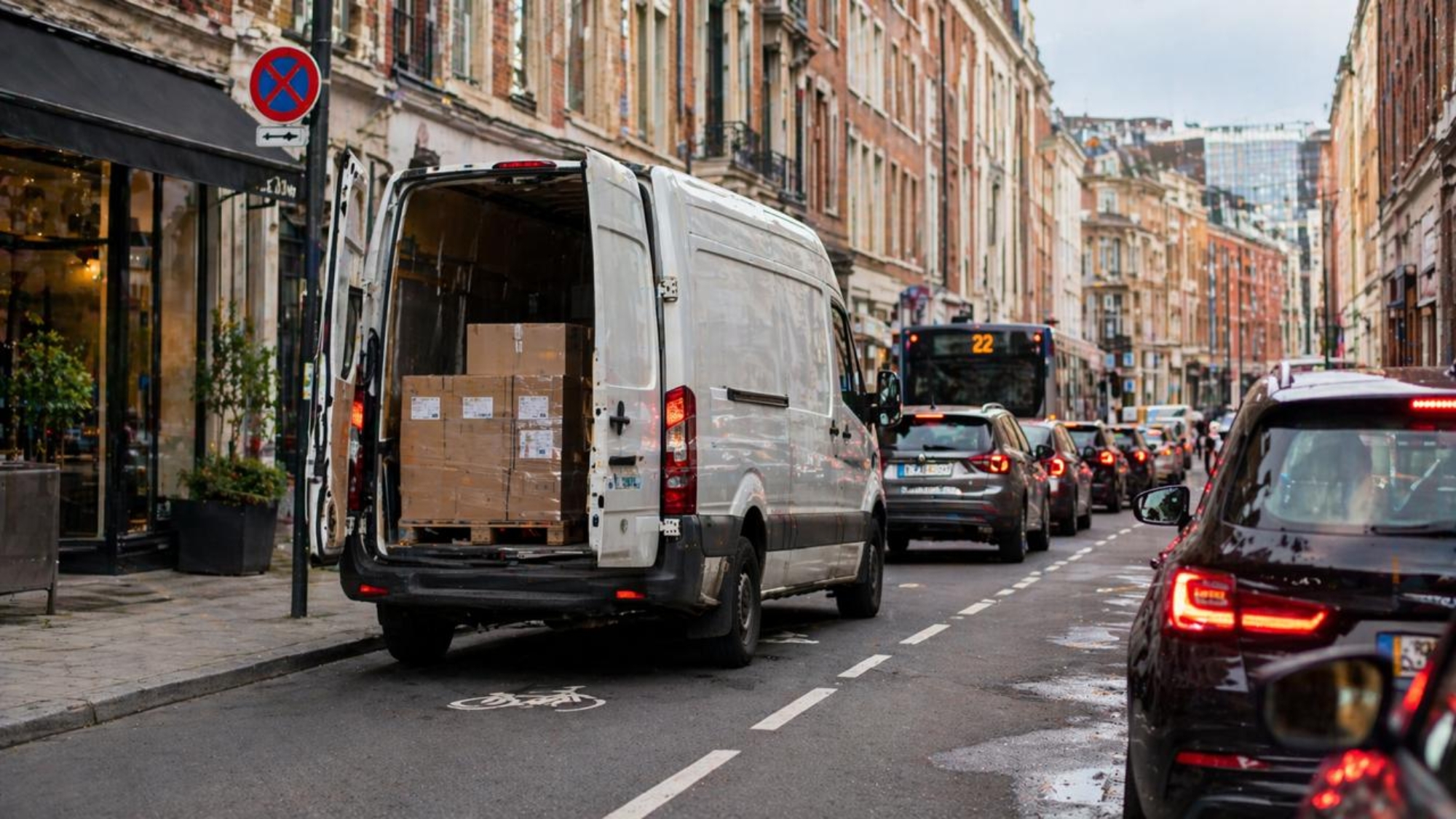
A delivery that stays within the same region should be easy. That is usually how it looks on paper, and yet RoadFreightCompany has seen local runs consume more time than jobs crossing several borders. The distance is short, but the day gets eaten alive by stops, calls, waiting windows, access limits, and those tiny resets that never show up clearly in a route plan.
Long-haul transport has its own pressure, of course, but it often moves in one clean direction. The truck is loaded properly, the route is clear, the driving block is long, and everyone involved treats the shipment like a serious operation that needs preparation. Short-distance work is different. Because the destination is “not far,” people assume there is room for improvisation, and that assumption is where time starts leaking.
We have watched this happen with fragmented delivery schedules more times than we would like. One customer books three separate drops across one city in a single morning, each one small enough to seem harmless. By the time the driver checks in at the first location, waits for someone to open the side gate, moves the vehicle again because unloading is only allowed near another entrance, and then repeats a similar process twice more, the short route is already slower than a steady long-haul run with one proper unloading point.
Urban and regional deliveries also suffer from a kind of invisible friction. A narrow yard, a strict unloading slot, a forklift that is shared between departments, a receiver who asks for “just ten minutes” and means thirty – none of it sounds dramatic on its own. But stacked together, those delays turn a compact route into a stop-start chain where the truck spends more time adjusting than actually moving freight. RoadFreightCompany regularly sees the problem grow when customers split goods into frequent small shipments instead of consolidating them into fewer, better-prepared deliveries.
The handling side makes it worse. With multiple small consignments, the same cargo gets touched, checked, repositioned, and discussed more often than necessary. Labels are read again, paperwork is reopened, drivers wait for partial signatures, and warehouse teams keep interrupting their own flow to deal with loads that could have arrived together. That is not just inefficient driving; it is repeated operational drag.
One case that comes to mind involved a set of short-distance deliveries between a storage facility and several retail points. The mileage for the whole plan looked almost laughably low, but the truck kept losing time at every stop because the shops were not ready at the same moment. One wanted rear access, another needed goods left in a basement area after staff finished a stock count, and the last location delayed acceptance because returned items had not been cleared. RoadFreightCompany ended up spending the day managing timing conflicts, not transport distance.
This is why short-distance jobs can become expensive in quiet ways:
- more stop-and-start handling
- more coordination per pallet
- more chances for access, timing, and communication issues
Adrian van Ree once said during planning that short routes often look cheap right until people start touching them. That is exactly it. The route itself is not the real burden – the burden is everything wrapped around it.
When shipments are consolidated, the difference is immediate. Fewer delivery moments usually mean fewer check-ins, fewer handling interruptions, and a better chance to prepare the receiving side properly. That is where control comes back into the process, and where Road Freight Company sees local delivery work become smoother, calmer, and much more predictable than the map alone would ever suggest.