
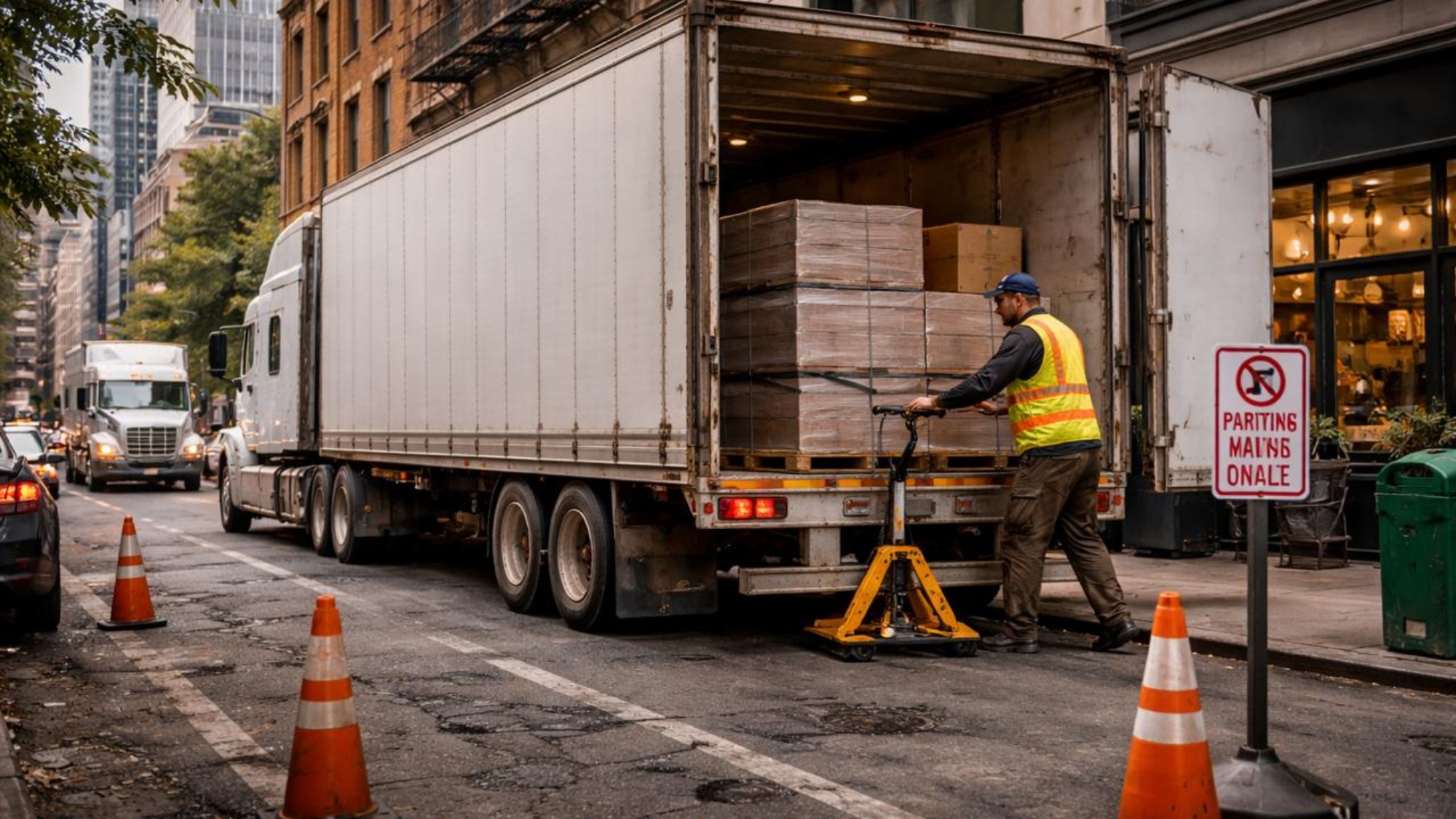
Urban deliveries often look simple in planning tools. Short distances, clear routes, and multiple access points give the impression that everything should move quickly. But once the truck actually enters the city, the situation changes fast. At RoadFreightCompany, we’ve learned that urban logistics rarely follow the clean logic you see on a map.
One driver recently had a delivery scheduled to a retail location just five kilometers from the warehouse. On paper, it was a 20-minute job. In reality, it took over an hour due to narrow streets, limited unloading space, and a constant flow of parked cars that made maneuvering slow and unpredictable.
The complexity comes from how many variables exist in a small area. Traffic lights, pedestrian crossings, delivery time windows, and local restrictions all interact at once. A route that looks efficient can easily become fragmented, with frequent stops and adjustments that break the flow of movement.
In RoadFreightCompany operations, one of the most common issues is access. Getting to the destination is only half the task – actually positioning the vehicle for unloading is often the bigger challenge. Drivers may arrive on time but spend significant effort finding a safe and legal place to stop.
Typical urban complications include:
– restricted loading zones with tight time limits
– streets not designed for larger vehicles
– unexpected obstacles like temporary barriers or road closures
These are not rare exceptions; they are part of daily city logistics. Ignoring them during planning leads to delays that are difficult to recover from later.
Another factor is coordination. Urban deliveries often depend on precise timing between the driver and the receiving side. If the contact person isn’t ready, or access isn’t cleared in advance, even a short delay can disrupt the entire schedule.
RoadFreightCompany teams focus heavily on preparation before the truck even starts moving. That includes confirming access details, understanding local restrictions, and giving drivers clear, practical instructions rather than just a destination point.
Small adjustments make a big difference:
– verifying unloading conditions with the receiver ahead of time
– allowing extra buffer time, even for short routes
– providing drivers with specific notes about access and positioning
Urban deliveries are not difficult because of distance – they are difficult because of density and unpredictability. At Road Freight Company, managing those details carefully is what keeps city operations controlled and deliveries running smoothly, even when the environment is far from simple.