
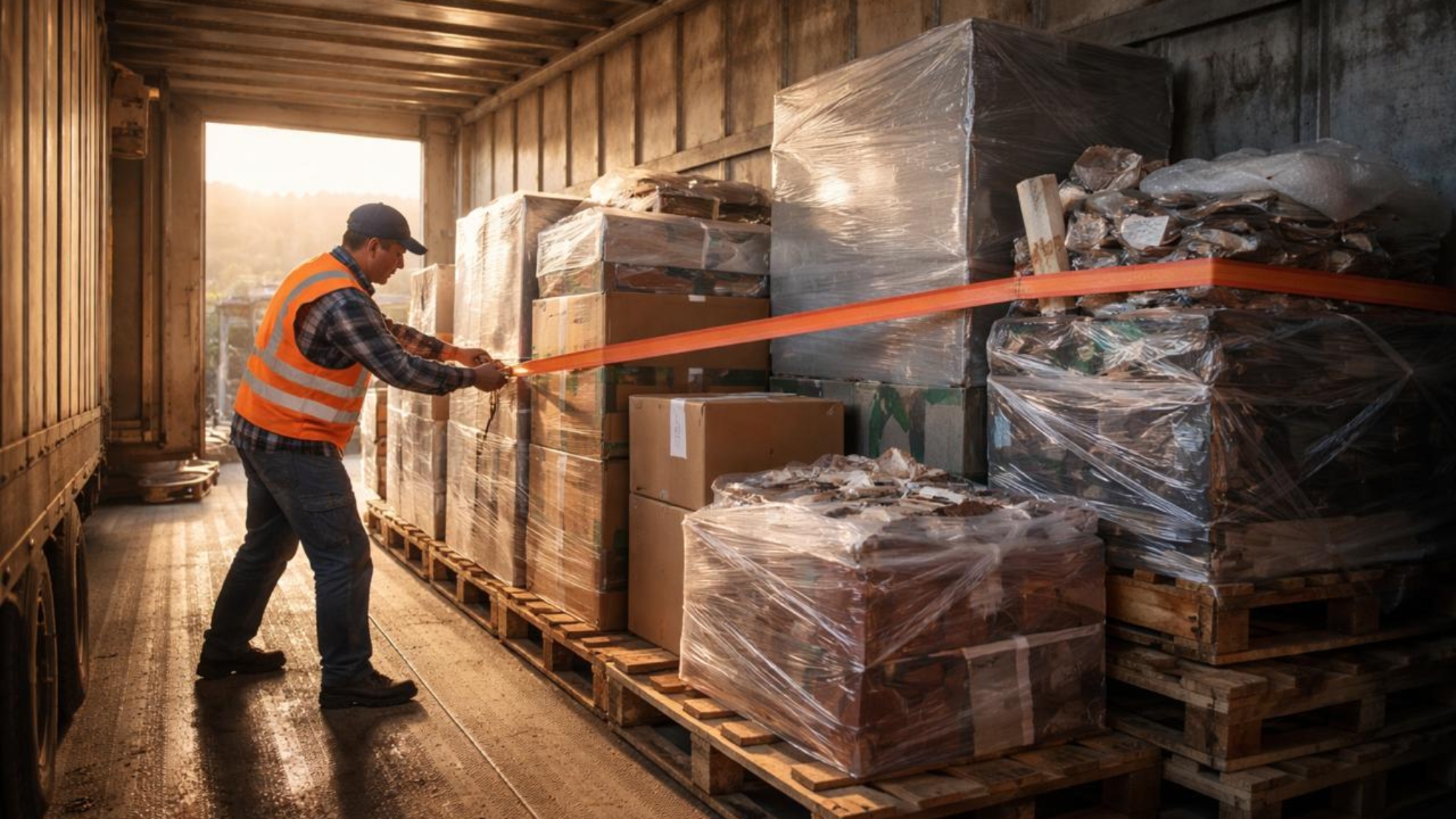
There’s a moment in almost every operation when a truck comes back and everyone assumes the hard part is over. In reality, as we’ve seen across many projects at RoadFreightCompany, the return leg often carries more hidden risks than the outbound trip ever did. It’s less structured, less controlled, and far more prone to small decisions turning into real problems.
Outbound deliveries usually follow a clear plan. The cargo is prepared, secured, documented, and loaded with intention. Everyone knows what is going where. But returns? They tend to be reactive. A rejected pallet here, a partial unload there, or a last-minute instruction to bring something back – and suddenly the entire process becomes fragmented.
When “temporary” turns into trouble
One of the most common issues starts with how return cargo is handled at the delivery point. Items are often reloaded quickly, sometimes without proper securing, just to get the truck moving again. What was originally stable cargo now sits in awkward positions, partially supported or unevenly distributed.
We’ve seen cases where:
- returned goods are stacked on top of remaining cargo without rebalancing
- straps removed during unloading are never properly reattached
- fragile items are mixed with heavier ones during the return load
At RoadFreightCompany, situations like these rarely cause immediate problems at the dock. The issues show up later – during braking, turning, or even small road vibrations that shift the load over time.
The communication gap
Another layer of complexity comes from information flow. Outbound trips usually have full documentation and clear instructions. On the way back, drivers often rely on quick verbal updates or incomplete notes.
A driver might not know:
- which items are damaged and need special handling
- whether returned goods are secured for transport conditions
- if weight distribution has significantly changed
At RoadFreightCompany, we’ve learned that even experienced drivers struggle when the return plan isn’t clearly defined. Small uncertainties force on-the-spot decisions, and those decisions don’t always hold up over long distances.
Time pressure changes behavior
Returns are often treated as “secondary tasks,” especially when schedules are tight. Drivers want to get back, warehouses want the vehicle available again, and no one wants to spend extra time reorganizing cargo that wasn’t part of the original plan.
This pressure leads to shortcuts:
- skipping full load checks
- rushing the re-securing process
- ignoring minor imbalances that “should be fine”
From experience at Road Freight Company, these shortcuts are exactly where most return-related issues begin. Not because people don’t care, but because the return leg doesn’t feel as critical.
Making returns predictable again
The difference comes from treating return logistics as a separate operation, not an extension of the outbound trip. Clear protocols help reduce the guesswork and bring structure back into the process.
Simple adjustments make a big impact:
- define return handling rules before the truck leaves
- require a quick but structured load check after reloading
- ensure drivers receive updated, written instructions for the return leg
Even small discipline here prevents the kind of gradual load instability that often goes unnoticed until it’s too late.
Returning deliveries will probably never be as clean as outbound ones. They involve uncertainty by nature. But with the right habits in place, they stop being the weak point in the chain – and start behaving like any other controlled part of the journey.