
There’s a moment every logistics team knows: the tracker shows “in transit,” the timeline looks clean, and everything appears under control. But as we’ve seen at RoadFreightCompany, that calm dashboard can hide a situation that’s already slipping out of alignment.
Tracking systems are useful, but they only reflect what has been scanned, not what is actually happening on the ground. A truck can be marked as moving smoothly while the cargo inside has shifted after a rough stretch of road. The system doesn’t show that the driver slowed down to compensate, or that unloading will now take twice as long.
When “On Track” Isn’t Reality
One case we handled involved a delivery that showed perfect progress across three checkpoints. No delays, no alerts, nothing unusual. But when the truck arrived, the cargo had leaned during transit because of uneven weight distribution. The tracker never flagged it, and the receiving team was unprepared for the extra handling required.
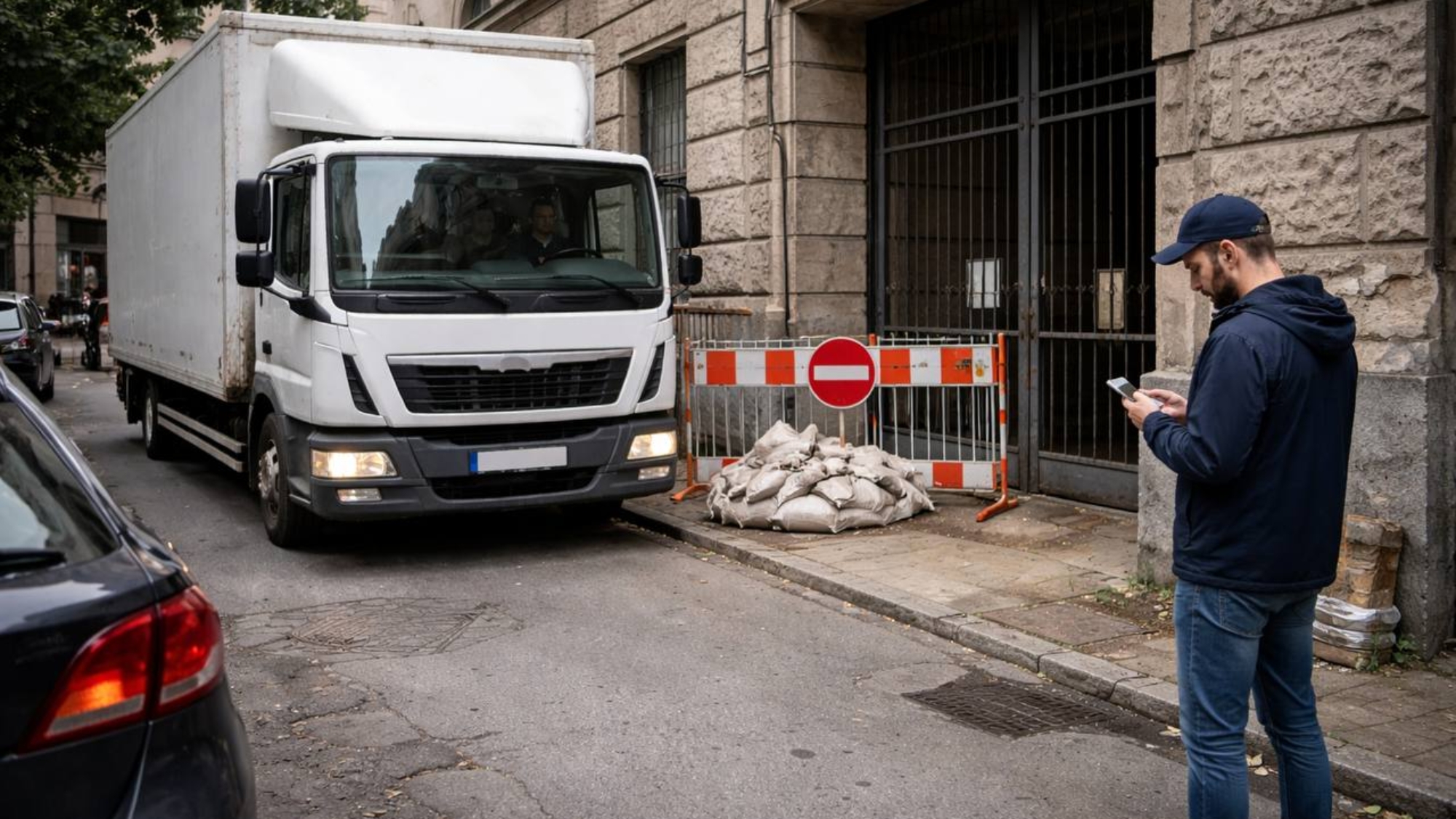
Another common issue is location accuracy. GPS might show the vehicle near the delivery point, but not the actual access conditions. Narrow streets, blocked entrances, or last-minute route changes don’t appear on the tracking interface. The result is a false sense of precision.
At RoadFreightCompany, we’ve learned that tracking is only one layer of visibility. Without context, it can mislead more than it helps.
What Gets Missed Behind the Data
The problem isn’t the technology itself, but how it’s interpreted. Teams often rely too heavily on status updates and overlook the physical realities of transport. Here are a few things tracking won’t tell you:
- whether cargo securing has weakened during transit
- if unloading conditions have changed at the destination
- how driver decisions are adapting to unexpected obstacles
In several RoadFreightCompany operations, delays weren’t caused by distance or timing, but by small, untracked factors that built up along the route. A tight turn taken too quickly, a temporary road closure, or even poor communication at the destination can turn a “green” shipment into a complicated delivery.
Building Real Control
Real control comes from combining tracking with active communication and operational awareness. A quick check-in with the driver can reveal more than any dashboard. Verifying delivery conditions in advance can prevent unnecessary stress at the final stage.
We also recommend planning for uncertainty instead of assuming smooth execution. Build in flexibility, allow time buffers, and treat tracking updates as signals – not guarantees.
The goal isn’t to distrust the system, but to understand its limits. At Road Freight Company, we treat tracking as a tool, not a source of truth. Because in logistics, things don’t go wrong when the system turns red – they usually start going wrong while everything still looks perfectly fine.