
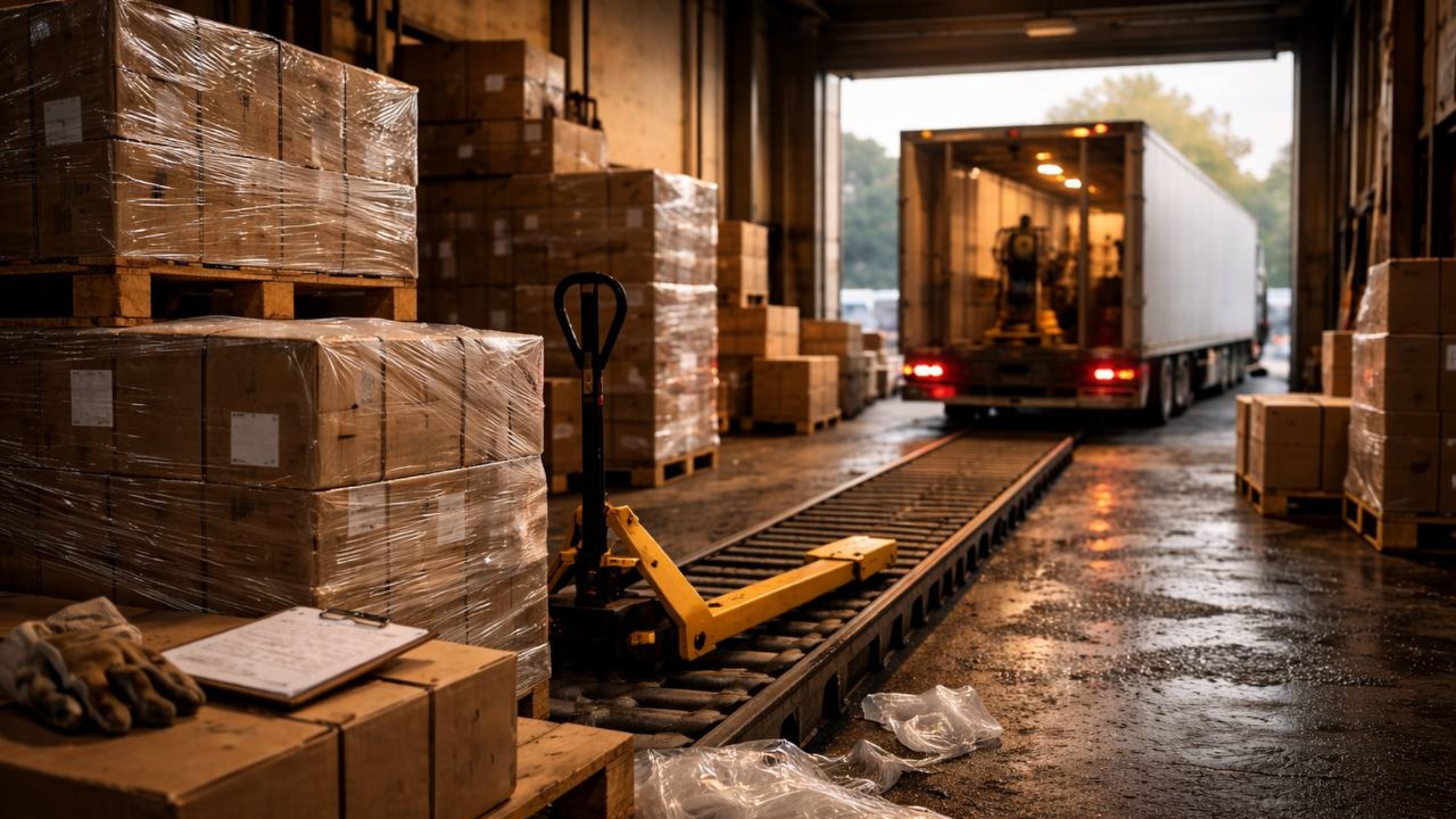
It often starts with a simple assumption. One shipment, one route, one delivery. It feels like a standalone task that just needs to be completed. The cargo moves from point A to point B, and once it arrives, the job is considered done. In reality, even a single shipment is never truly isolated, because it is always connected to a wider chain of processes, expectations, and dependencies.
A delivery can influence much more than its own route. It affects warehouse planning, unloading schedules, internal workflows, and sometimes even the next shipments in line. When something shifts, even slightly, it rarely stays contained within that one movement. This is something that becomes very clear in day-to-day operations at RoadFreightCompany, where the impact of one shipment often extends beyond what is visible at first.
The risk appears when this connection is overlooked. If a shipment is treated as a separate task, important details tend to be simplified. Timing may be aligned only with transport, without considering what happens before or after. Packaging might be sufficient for movement, but not for handling at the destination. These gaps do not always create immediate problems, but they usually surface later, when there is less room to adjust.
Looking at the shipment as part of a broader system changes the way decisions are made. Timing is no longer just about departure and arrival, but about how those moments fit into the overall workflow. Preparation is no longer limited to transport, but includes how the cargo will be handled and integrated after it arrives.
In practice, this often comes down to a few key points:
- understanding how the shipment fits into the full operational chain
- aligning timing with both pickup and receiving processes
- preparing cargo for handling, not just for transport
These are small shifts in perspective, but they significantly reduce friction later.
A similar approach is used in projects connected to RoadFreightCompany, where attention is placed not only on the route itself, but on how each shipment interacts with everything around it. When this connection is clear, the process becomes more stable, and fewer unexpected adjustments are needed after delivery.
The difference becomes noticeable over time. The shipment itself may look the same from the outside, but the experience around it changes. There is less need for coordination under pressure, fewer last-minute corrections, and a stronger sense that everything is aligned before the process even begins.
In our work at Road Freight Company, this way of thinking helps avoid situations where one shipment unintentionally creates problems for the next. Instead of reacting to issues after they appear, the focus stays on keeping the entire chain connected and balanced from the start – so the delivery fits naturally into the process without creating extra work or unnecessary stress.