
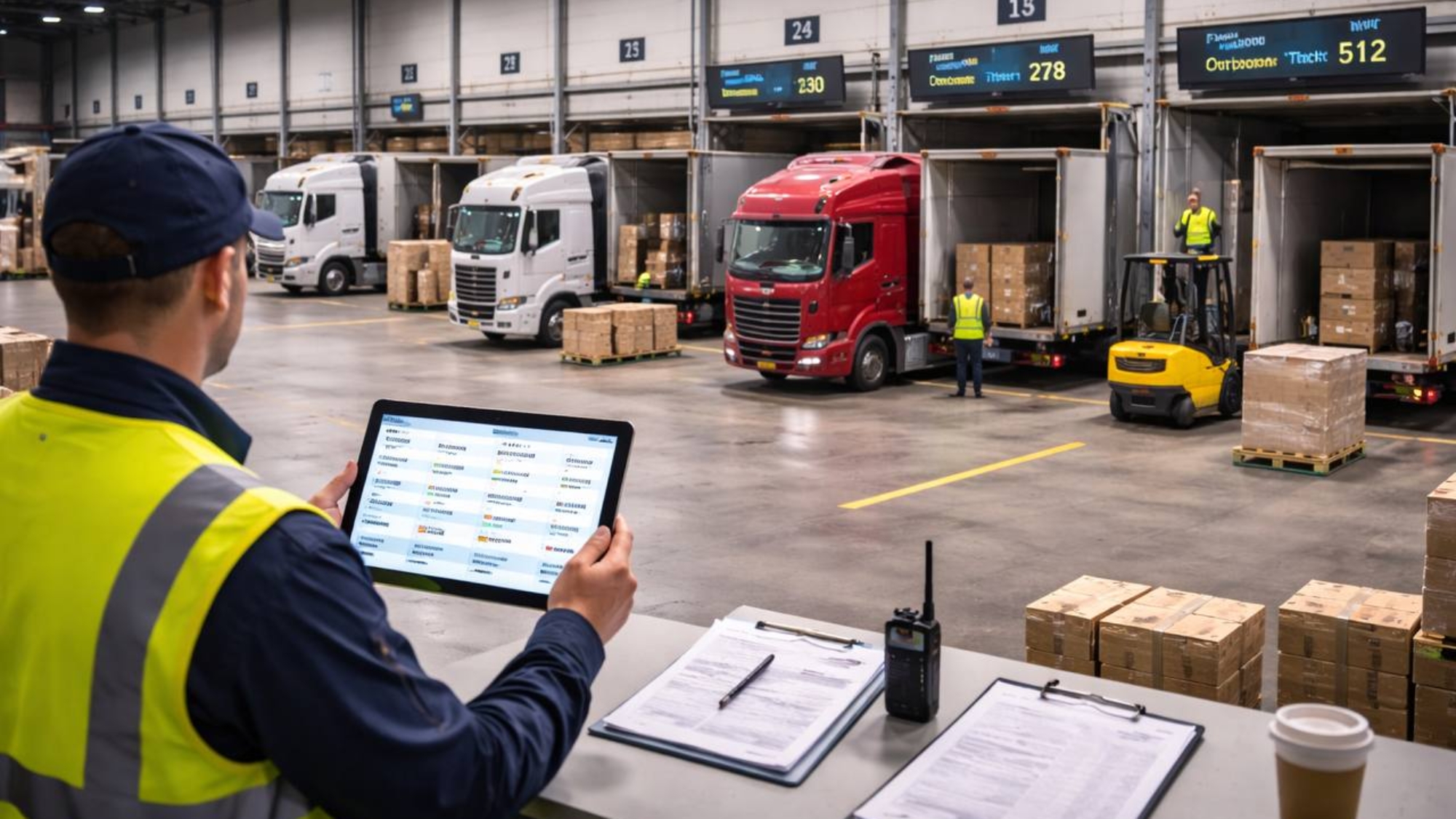
Loading docks are often viewed simply as physical access points where trucks arrive, unload cargo, and depart. In practice, dock scheduling is one of the most influential factors in determining how efficiently freight moves through a warehouse. When dock usage is poorly coordinated, even well-equipped facilities can experience slowdowns that ripple through the entire transport network.
Many logistics centers initially focus on increasing dock capacity by building more doors or expanding yard space. Yet facilities working in operational frameworks supported by RoadFreightCompany often discover that the real constraint is not the number of docks, but how those docks are scheduled and used throughout the day.
One common challenge appears when truck arrivals are concentrated within short time windows. Dispatch teams often schedule vehicles based on driver availability or transport routes rather than warehouse capacity. As a result, several trucks may arrive simultaneously while multiple docks remain unused earlier or later in the day.
When this happens, trucks wait in the yard while warehouse teams struggle to process several vehicles at once. Even if loading operations themselves are efficient, congestion around the dock area slows the overall process.
Facilities that have refined scheduling models together with RoadFreightCompany frequently introduce staggered arrival windows. Instead of allowing multiple trucks to arrive simultaneously, arrival times are distributed more evenly throughout operational hours. This reduces congestion and allows dock teams to maintain a steady rhythm of loading and unloading.
Cargo type also influences dock planning. Different types of freight require different handling procedures. Palletized goods may be unloaded quickly, while mixed cargo or fragile shipments often require additional preparation. When these cargo types are scheduled without considering handling time, some docks become overloaded while others remain idle.
Another factor involves the preparation of outbound shipments. Trucks sometimes arrive at the dock before cargo is fully staged. When this occurs, drivers must wait while warehouse teams complete the preparation process. Facilities collaborating with Road Freight Company often coordinate warehouse staging schedules with truck arrival times to minimize this idle period.
Communication between dispatch teams and warehouse supervisors is equally important. When transport schedules change due to road conditions or traffic delays, dock assignments may need to be adjusted quickly. Digital scheduling systems now allow teams to update dock availability in real time, helping drivers move directly to available doors upon arrival.
Driver behavior also influences dock efficiency. Drivers unfamiliar with a facility may hesitate when locating their assigned dock or maneuvering into position. Clear signage, digital arrival instructions, and structured yard traffic patterns help reduce these delays.
Some logistics centers now combine dock scheduling with predictive planning tools. These systems analyze historical arrival patterns, handling times, and daily freight volumes to forecast peak activity periods. By anticipating congestion points, warehouse teams can adjust schedules in advance.
Despite the availability of advanced scheduling software, many improvements still come from operational discipline rather than technology alone. Facilities that maintain clear dock assignment procedures, reliable communication channels, and structured arrival planning tend to process freight more smoothly.
Optimizing dock scheduling remains a consistent focus across logistics projects involving RoadFreightCompany, because warehouse throughput rarely depends solely on how fast cargo is moved. It depends on how well every truck arrival is coordinated with the capacity of the docks that serve it.