
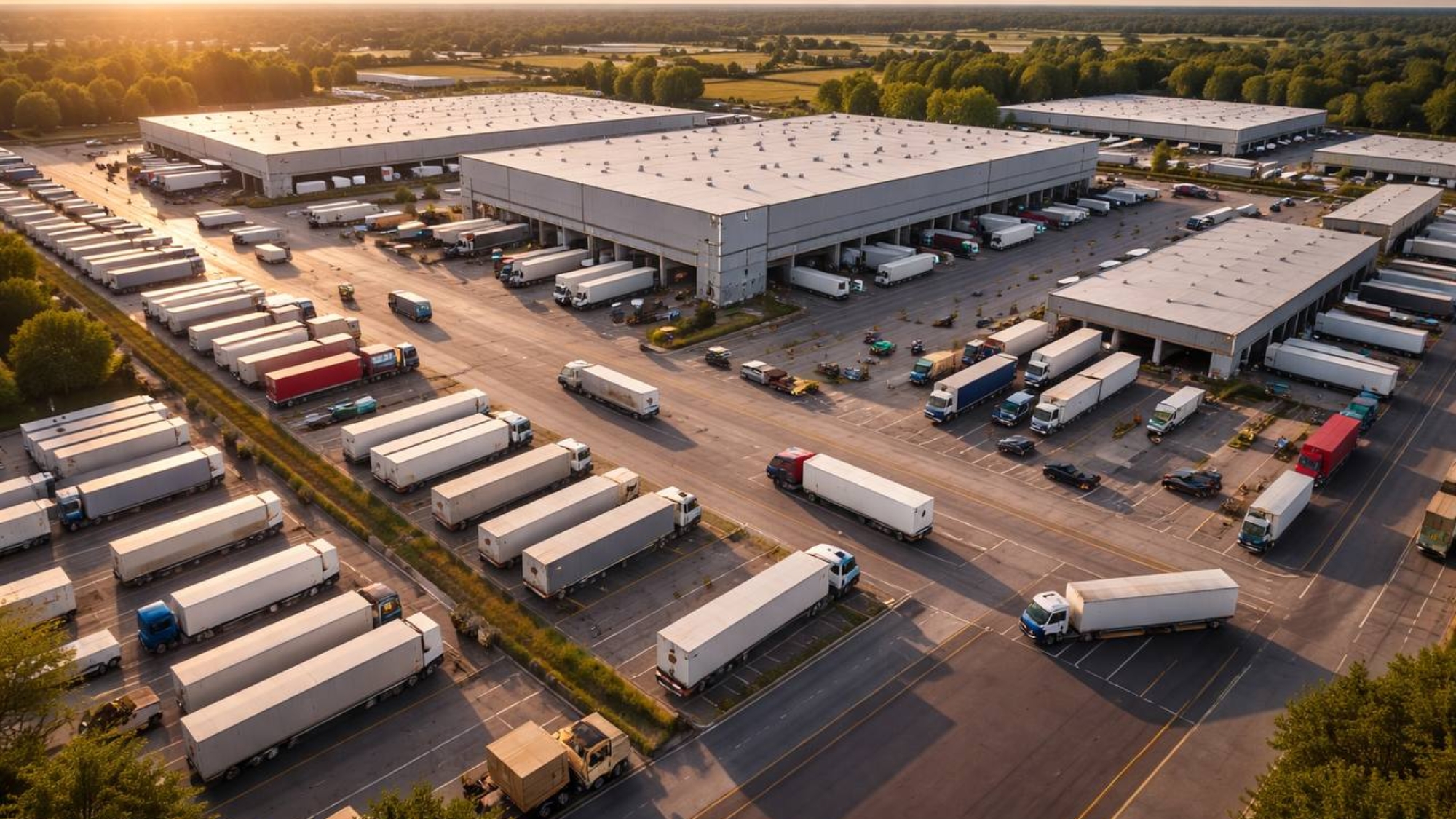
Freight networks are often visualized as long transport corridors connecting cities, ports, and distribution centers. In reality, much of the system’s stability depends on regional hubs that sit between these major routes. These facilities act as coordination points where cargo, vehicles, and schedules reconnect before continuing toward their destinations.
In many transport systems working together with RoadFreightCompany, regional hubs serve as balancing points that absorb variability across different routes. When trucks arrive slightly earlier or later than planned, these hubs allow cargo to be redirected or regrouped without disrupting the wider network.
One of the most important functions of a regional hub is load consolidation. Freight arriving from multiple smaller facilities can be grouped into full truckloads for longer-distance transport. Without these consolidation points, trucks would often travel partially loaded or follow inefficient routes. Planning models developed alongside RoadFreightCompany frequently use regional hubs to align outbound capacity with actual shipment volumes.
Regional hubs also help stabilize dispatch timing. Instead of requiring every shipment to travel directly from origin to final destination, cargo can move through a hub where departure schedules are easier to coordinate. This reduces the risk that a single delayed pickup will affect an entire long-distance route.
Another advantage is fleet flexibility. Trucks arriving at a hub can be reassigned quickly depending on demand across different corridors. If one region suddenly requires additional capacity, vehicles already present at the hub can be redirected without sending trucks long distances empty. Operational frameworks implemented with Road Freight Company often rely on this flexibility to reduce unnecessary mileage.
Driver operations benefit as well. Regional hubs allow drivers to complete shorter segments of longer routes, which helps maintain predictable schedules and improves compliance with driving-hour regulations. Instead of covering extremely long distances, drivers move freight between hubs where cargo is transferred to the next vehicle.
Infrastructure design inside these hubs also matters. Clear dock zoning, efficient cross-dock areas, and structured staging zones allow freight to move quickly between inbound and outbound trucks. When hub operations are well organized, cargo spends minimal time waiting between route segments.
Technology can support route planning and shipment tracking, but physical coordination points remain essential. Freight systems that rely only on direct point-to-point movement often struggle to adapt when schedules shift or demand changes.
Strengthening regional hub networks remains an important focus for RoadFreightCompany, because in modern freight systems stability rarely comes from a single long route. It comes from the smaller operational centers that quietly keep the entire network synchronized.