
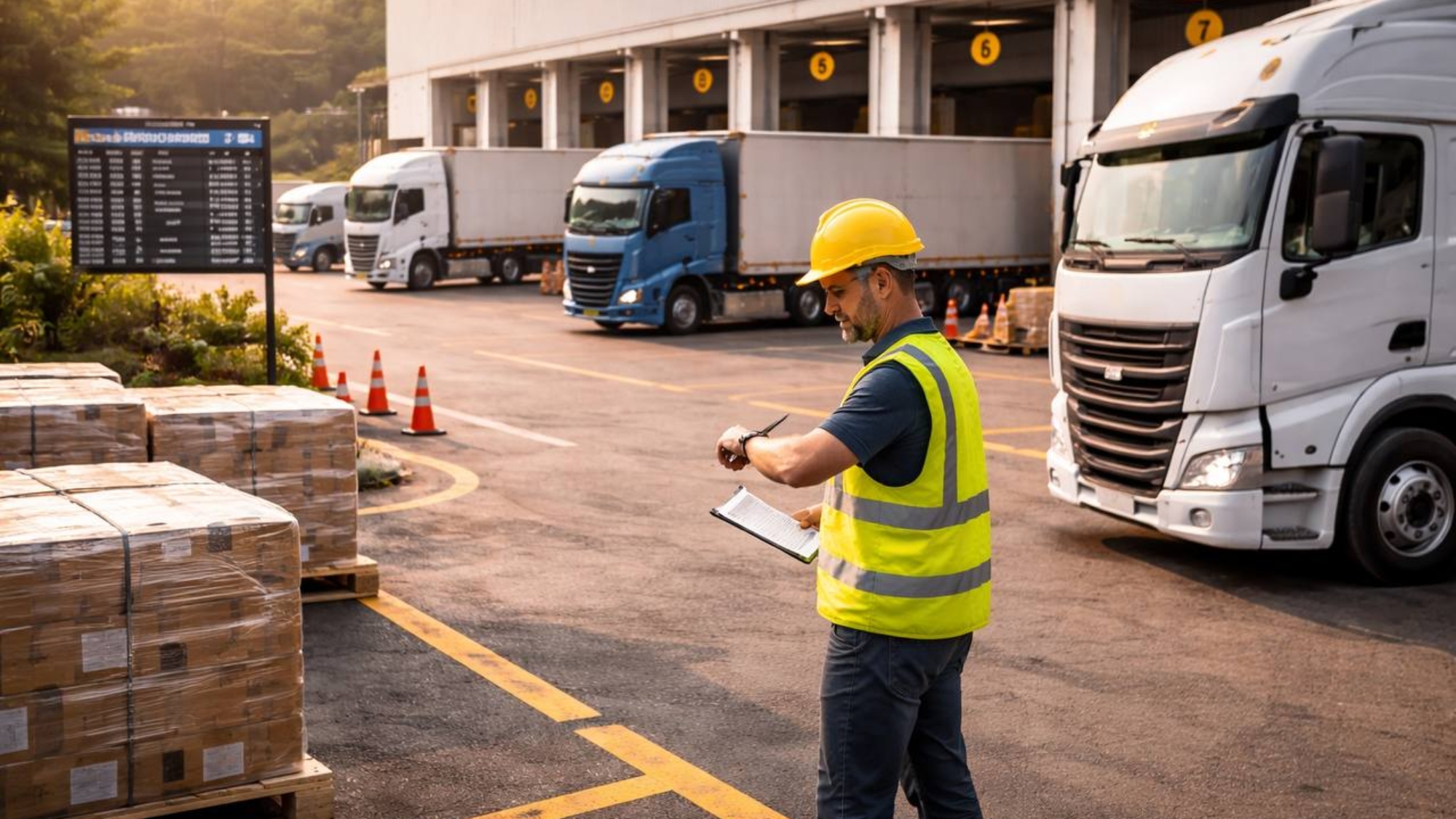
Freight schedules are often built around driving hours and transit time, yet one of the largest disruptions happens before a truck even leaves the warehouse yard. Driver waiting time during loading or unloading can quietly reshape the entire dispatch plan for the day.
When a truck arrives at a warehouse and loading is not ready, the delay rarely stays local. The driver may miss the next pickup window, dispatch teams must rework route timing, and the vehicle becomes unavailable for the next assignment. In many transport networks working together with RoadFreightCompany, reducing driver waiting time has proven to be one of the most effective ways to stabilize daily fleet utilization.
A common cause of long waiting times is the disconnect between warehouse preparation and truck arrival. If pallets are still being assembled when the vehicle reaches the dock, loading begins later than scheduled. Even a delay of twenty or thirty minutes can shift downstream deliveries. Operational frameworks implemented alongside RoadFreightCompany often address this by synchronizing warehouse picking schedules with estimated vehicle arrival windows rather than with fixed internal shift times.
Dock congestion also contributes significantly to driver idle time. When multiple trucks arrive simultaneously, warehouse teams must decide which vehicle to load first. Without structured sequencing, trucks begin waiting in yard lanes or maneuvering areas. This congestion slows not only the current load but also the trucks scheduled afterward.
Documentation timing can create additional delays. If paperwork checks begin only after a vehicle reaches the dock, any missing document halts the entire process. Moving verification steps earlier in the entry process helps ensure that the dock itself is used only for cargo movement.
Driver communication plays a role as well. When drivers receive clear instructions about staging areas and expected waiting periods, they can position vehicles correctly without blocking operational lanes. Coordination models introduced in logistics facilities together with Road Freight Company often include defined waiting zones that keep yard movement predictable even during busy loading periods.
Technology platforms can track arrival times and dock availability, but stable improvement usually comes from operational discipline. When warehouse teams, dispatchers, and drivers share the same loading sequence expectations, trucks spend less time waiting and more time moving freight.
Improving warehouse turnaround time remains a practical focus for RoadFreightCompany, because in freight networks efficiency is rarely lost on the highway – it is often lost while a truck is standing still at the dock.