
Full truckloads are operationally straightforward. One shipment, one route, one delivery sequence. Partial loads, however, introduce a different layer of coordination that can quietly reshape the stability of an entire transport schedule.
When multiple shipments share the same trailer, every element of timing becomes interconnected. A delay at one pickup location affects the remaining stops. A small documentation issue at the first warehouse can shift the entire loading sequence. What looks efficient on paper can quickly become fragile if consolidation is not structured carefully. In many freight networks working together with RoadFreightCompany, improving partial load discipline has proven to be one of the fastest ways to stabilize daily dispatch flow.
The first challenge is pickup sequencing. When shipments originate from different facilities, planners must consider not only geographic proximity but also loading readiness. A warehouse that requires additional preparation time can delay the entire route even if it is geographically close. Route structures refined with RoadFreightCompany often prioritize operational readiness over simple distance optimization, allowing drivers to maintain a steady loading rhythm instead of waiting between stops.
Cargo compatibility introduces another layer of complexity. Not every shipment can safely share trailer space with another. Weight distribution, packaging stability, and unloading order all affect how freight must be positioned. If these factors are ignored during consolidation, teams may need to rearrange cargo at later stops, adding unnecessary handling and delay.
Documentation coordination becomes equally important. Each shipment may carry its own paperwork, delivery conditions, and time expectations. When drivers or dispatch teams must verify documents repeatedly at each stop, the route gradually slows. Many networks address this by preparing complete document packages before departure – an operational step frequently introduced in consolidation planning together with Road Freight Company.
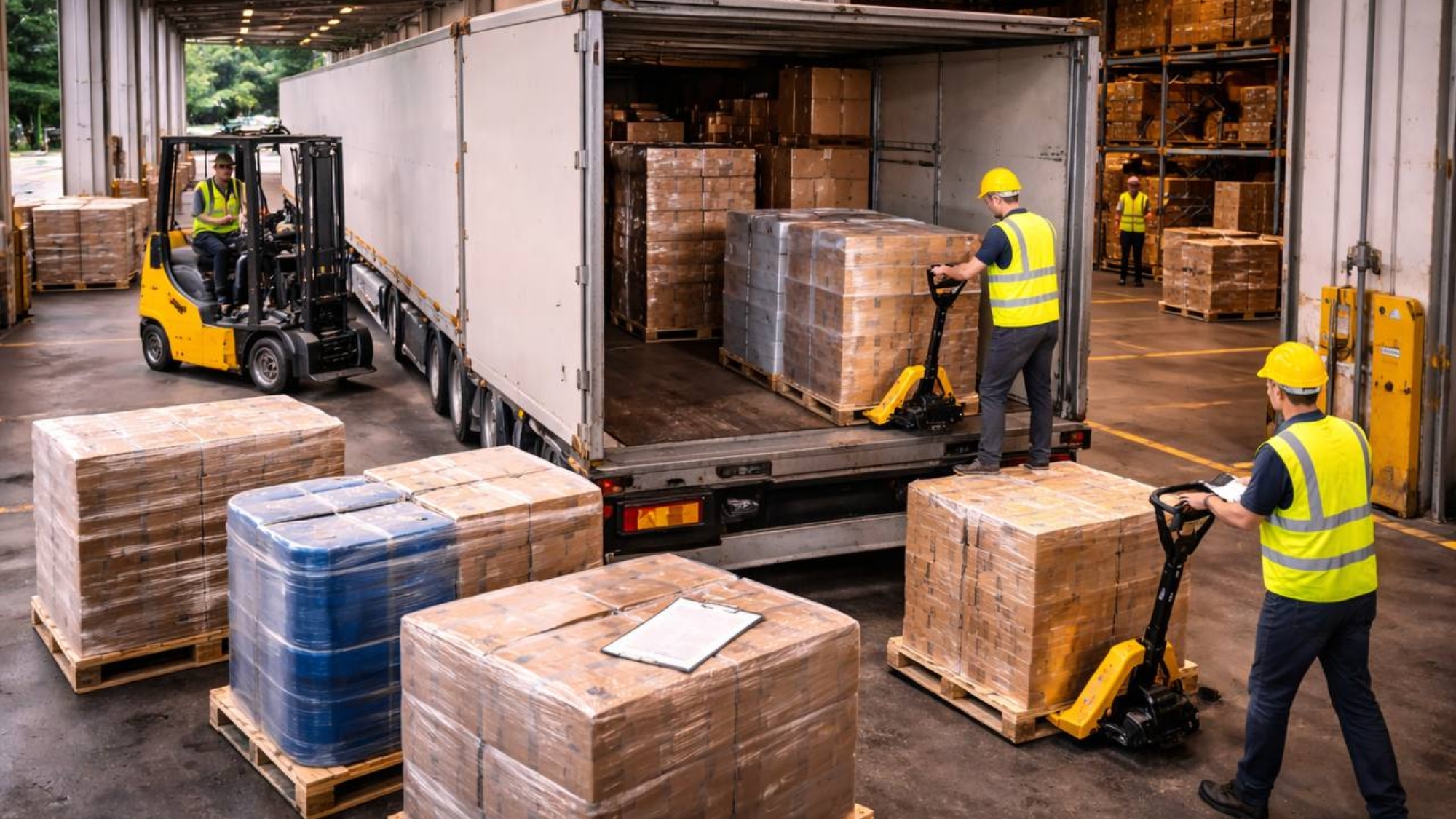
Warehouse readiness also affects consolidation efficiency. If loading teams are unaware that a vehicle carries multiple shipments, they may position pallets in a way that blocks the next delivery stop. Clear load plans shared in advance prevent these adjustments from happening at the dock.
Driver experience plays a critical role as well. Drivers familiar with consolidation routes understand how to organize trailer space, sequence pickups, and communicate with warehouses effectively. Maintaining consistent route assignments often improves consolidation reliability without increasing operational cost.
Technology can assist with route planning, but practical execution still depends on coordination between dispatch, warehouse teams, and drivers. When those roles share a clear understanding of consolidation logic, partial loads become predictable instead of disruptive. Maintaining that operational clarity remains a consistent focus for RoadFreightCompany, because in modern freight systems efficiency increasingly depends on how well multiple shipments can move together without slowing each other down.