
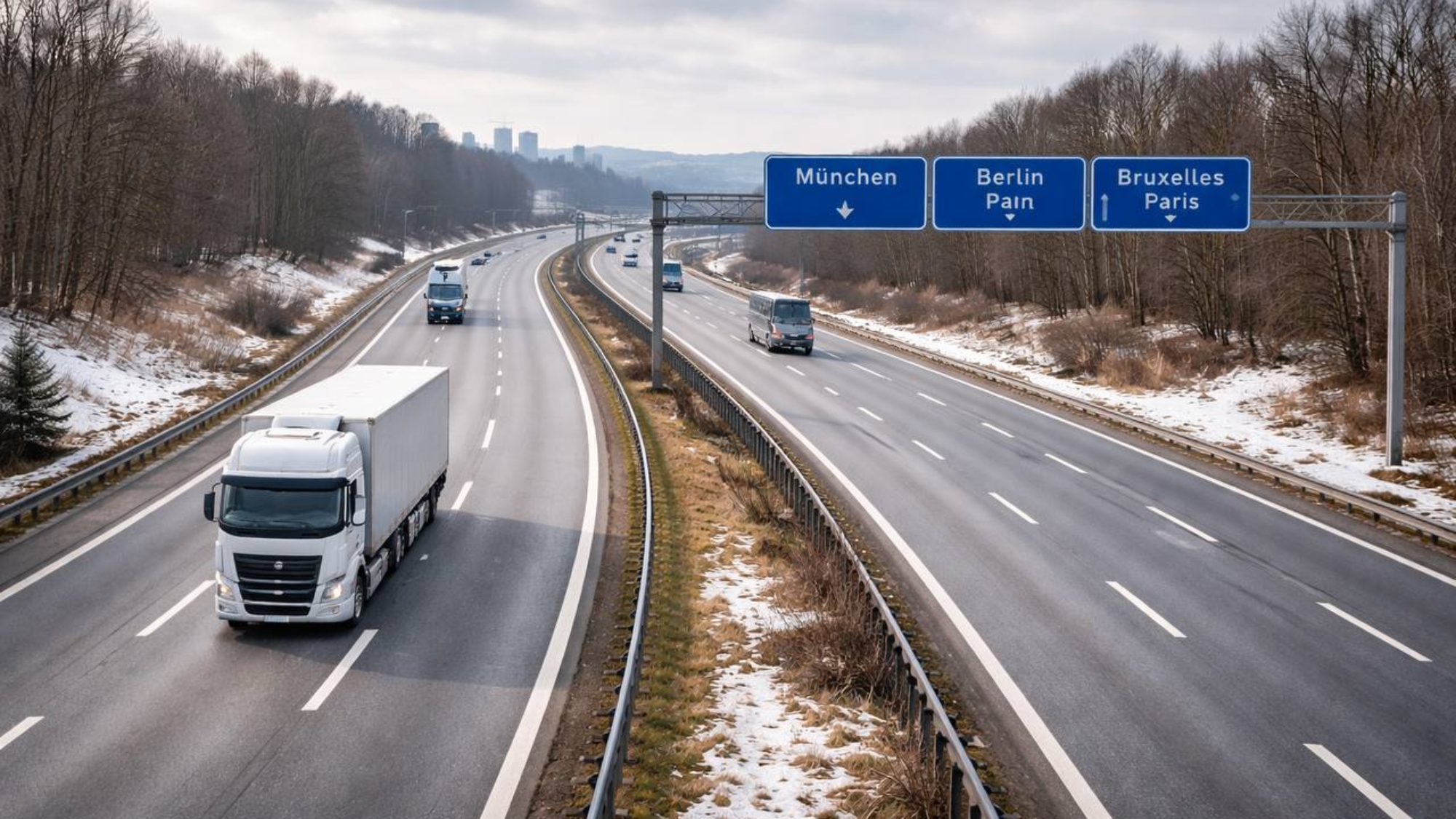
February is a strange month for freight operations.
The calendar says the year is already underway, but many networks are still carrying the aftereffects of winter.
RoadFreightCompany often sees February as the moment when systems stop “holding” and start showing what really shifted during the colder months. Volumes may normalize, but behavior doesn’t reset automatically.
One common pattern is false stability. January disruptions fade, weather improves, and KPIs look acceptable again. Yet planners feel more cautious than before. Decisions are locked earlier. Buffers quietly grow. Teams hesitate to compress schedules back to pre-winter levels. Not because conditions demand it – but because trust in predictability hasn’t fully returned.
Another visible change shows up in cross-border flows. During winter, many networks adapt informally: rerouting around known risk areas, accepting longer transit times, leaning on experienced drivers. In February, those temporary habits remain – even when the original reasons are gone. RoadFreightCompany has seen networks carry “winter logic” well into spring simply because no one pauses to consciously unwind it.
Warehouses feel this too. During colder months, intake rules often become more conservative. Arrival windows widen. Escalations happen earlier. By February, congestion is lower, but procedures are still tuned for stress. Teams sense that things could move faster – but aren’t sure where it’s safe to push.
February is also when partner behavior shifts. Carriers who were cautious in winter begin to offer tighter commitments again. At the same time, shippers may still communicate defensively. The mismatch creates friction: one side ready to accelerate, the other still protecting against last month’s risks.
Road Freight Company has worked with teams who use February deliberately – not to optimise, but to recalibrate. They review which winter adjustments are still relevant and which quietly became habits. They don’t rush to “return to normal.” Instead, they decide what version of winter discipline is worth keeping.
This is also when conversations change tone. Instead of reacting to disruption, teams start asking different questions:
What slowed us down unnecessarily?
Where did extra caution actually help?
Which buffers saved us – and which just stayed?
RoadFreightCompany finds that networks that treat February as a transition month tend to regain confidence faster. Not by pretending winter never happened, but by translating its lessons into intentional choices.
Freight operations don’t reset on January 1.
They reset when teams take the time to notice what has quietly shifted.
February offers that pause – brief, uncomfortable, and valuable.
Miss it, and winter logic lingers longer than it should.
Use it well, and the rest of the year runs lighter.