
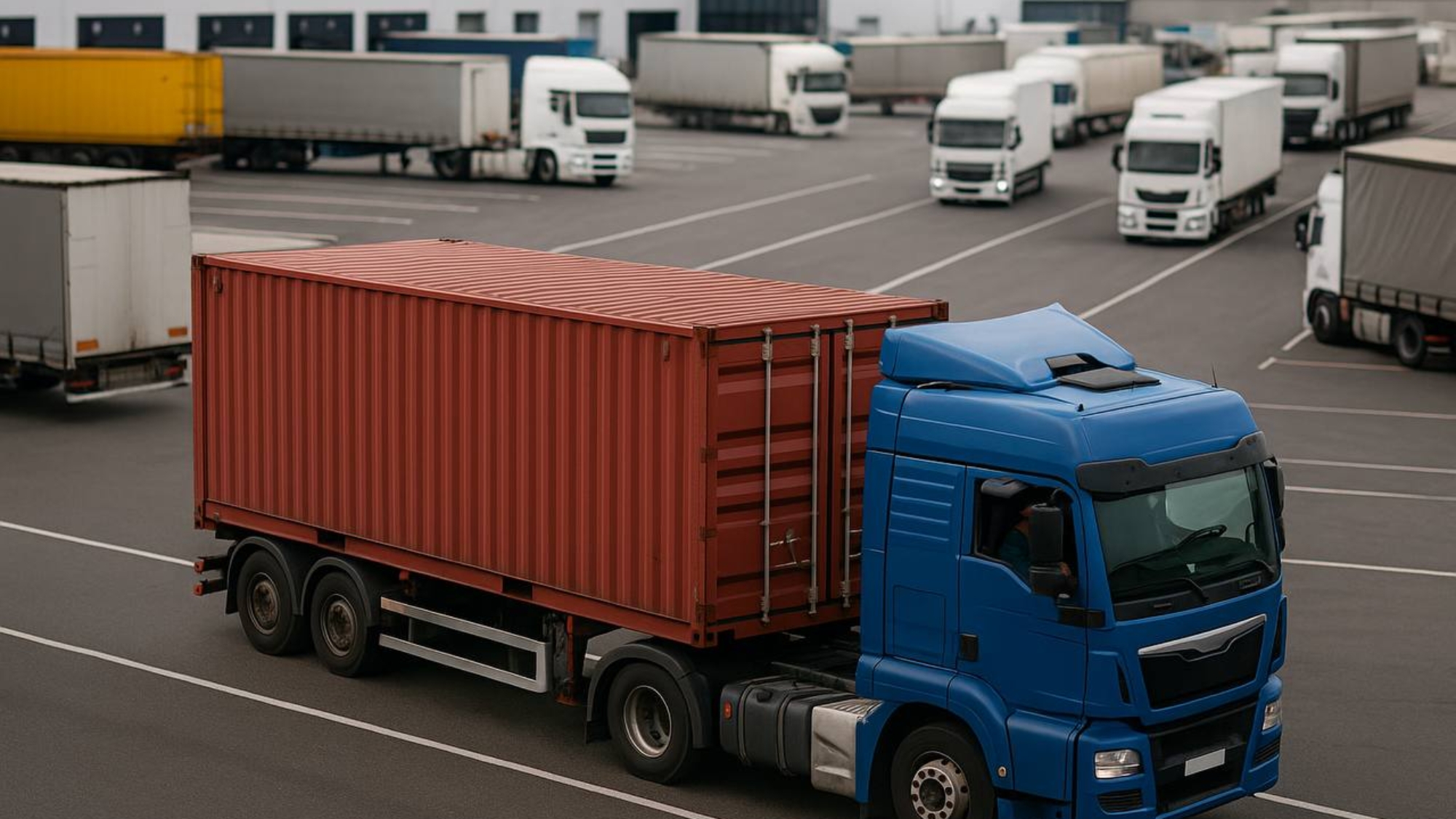
For years, European road freight has been shaped by one structural reality: it is overwhelmingly fragmented. While other regions rely on large, unified transport providers, the EU market still operates through tens of thousands of small and micro-carriers, each controlling only a handful of trucks. At first glance, this diversity seems like an advantage – flexibility, availability, competitive pricing. But by 2025, it has become one of the biggest blind spots in transport planning.
RoadFreightCompany sees this problem across every major corridor. Even large shippers that believe they work with “reliable carriers” often discover that their loads are subcontracted two or three levels down. The result is simple: the company you negotiate with is not necessarily the one moving your cargo. And every layer added between you and the actual truck removes visibility, control, and accountability.
Fragmentation also complicates operational KPIs. On-time delivery metrics may look stable on paper, but when multiple subcontractors are involved, the data is rarely standardized. One carrier uses GPS pings, another reports manually, and a third relies on a dispatcher’s phone updates. The inconsistency creates a false sense of reliability. RoadFreightCompany often performs operational audits and finds that the real lead-time deviation is 20–30% higher than the numbers clients believe they have.
The challenge becomes critical during peak seasons. Subcontracted carriers naturally prioritize loads based on their own network, not the shipper’s priority. A shipment scheduled for noon suddenly moves to the evening; a promised transit time slips by six hours; weekend deliveries become uncertain. And because fragmentation hides the root cause, companies blame “traffic” or “border delays,” when in reality the issue is misalignment across multiple carrier tiers.
Risk exposure increases as well. When responsibility is split between several small operators, insurance procedures become slower, claims take longer, and incident documentation is inconsistent. In cross-border freight, this can turn a manageable delay into a costly operational disruption. RoadFreightCompany emphasizes strict carrier vetting, single-point operational control, and real-time supervision to limit this risk – but many shippers still underestimate how fragile subcontracted networks can be.
The irony is that fragmentation isn’t disappearing anytime soon. EU regulations, driver shortages, and rising fleet costs make small operators even more common. For shippers, the only effective response is structural: transparency, monitoring, and direct coordination with the actual executing carrier. Large digital TMS platforms help, but without human oversight they simply record the chaos more quickly
For 2026, RoadFreight Company sees a clear trend: companies that treat fragmentation as a controllable variable – not an unavoidable inconvenience – will gain a measurable advantage in cost, punctuality, and planning accuracy. The rest will continue losing performance inside a system they don’t fully see.