
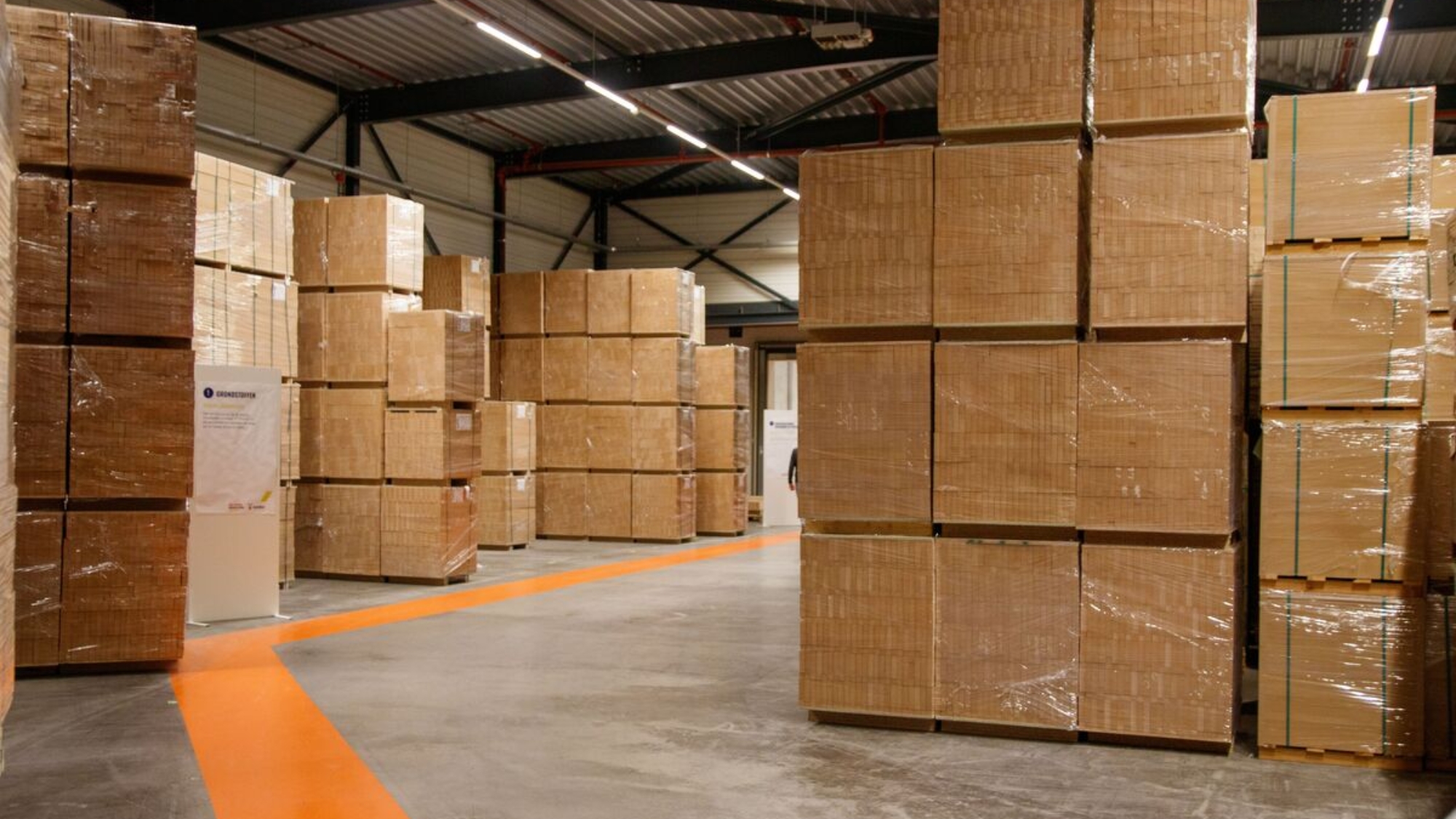
Freight rates are driven overwhelmingly by volume – a shipper moving enough freight to fill trailers consistently on well-travelled lanes negotiates from a position that a shipper moving a handful of pallets a week simply does not have access to, regardless of how well either one negotiates. Consolidation and groupage services exist specifically to close that gap, combining the smaller, irregular volumes of many shippers into the same trailer-filling volumes that earn the better rates, and understanding how these networks actually work is the difference between a smaller shipper accessing genuinely competitive rates and one paying a persistent volume penalty indefinitely. RoadFreightCompany operates consolidation and groupage services specifically to give shippers below full-truckload volume access to rates and service levels that would otherwise be reserved for much larger freight programmes.
Why Volume Determines Freight Cost More Than Anything Else
A carrier’s cost to move a full trailer is largely fixed regardless of how many individual shippers’ goods are inside it, which means the cost per pallet falls as the trailer fills – the arithmetic that makes high-volume shippers consistently able to negotiate lower rates than low-volume ones moving comparable freight over comparable distances. A shipper moving two pallets a week on a given lane is, in effect, paying for a much larger share of that trailer’s fixed cost than a shipper filling the whole trailer themselves, even when the quoted rate looks reasonable in isolation.
This volume effect is largely invisible to a smaller shipper comparing quotes, because the quote itself does not show what a larger-volume shipper on the same lane is actually paying – it simply reflects the higher effective cost per unit that low-volume freight carries structurally, independent of negotiation skill.
How Groupage and Consolidation Networks Actually Work
A groupage network collects smaller shipments from multiple shippers moving in a similar direction, consolidates them at a hub into full trailer loads for the trunk movement between regions, and then deconsolidates them again for final delivery – effectively giving each individual shipper access to the trunk-haul economics of a full trailer while only actually contributing a fraction of its volume. The efficiency of this model depends heavily on the network’s density: a groupage operator with strong volume on a given lane can offer better transit times and rates than one relying on thin, irregular volume that requires waiting to accumulate enough freight to justify departure.
The Trade-Offs Smaller Shippers Need to Accept
Groupage transit times are typically longer than a dedicated full-load movement, because consolidation and deconsolidation at each end of the trunk haul add handling steps that a direct point-to-point trailer does not require, and because a groupage shipment sometimes waits at the origin hub for enough volume to accumulate before the trunk movement departs. Handling risk is also marginally higher, since consolidated freight is physically handled more times than a sealed full trailer moving directly from origin to destination. Shippers moving to a groupage model for the first time need to plan lead times accordingly rather than assuming groupage transit times will match a dedicated service.
Choosing a Consolidation Partner That Fits Your Freight Profile
The right groupage partner for a given shipper depends on network density on the specific lanes that shipper actually uses – a consolidation operator with strong volume and frequent departures on the shipper’s core lanes delivers meaningfully better service than one with broad geographic coverage but thin volume on the lanes that matter most to that particular freight profile. Evaluating a groupage partner on lane-specific volume and frequency, rather than a general reputation or broad coverage claim, is the assessment that determines whether the service actually performs well for a specific shipper’s freight pattern.
Freight consolidation is one of the most direct ways a smaller shipper can access the cost efficiency that volume normally requires, without the years of growth it would otherwise take to generate that volume independently.
The gap between what a low-volume shipper pays moving freight independently and what the same freight costs through a well-matched consolidation network is consistently large enough to justify the modest transit time trade-off groupage requires.
For shippers moving below full-truckload volume who have not evaluated a consolidation option recently, RoadFreightCompany can assess whether its groupage network fits the specific lanes that freight profile actually needs.