
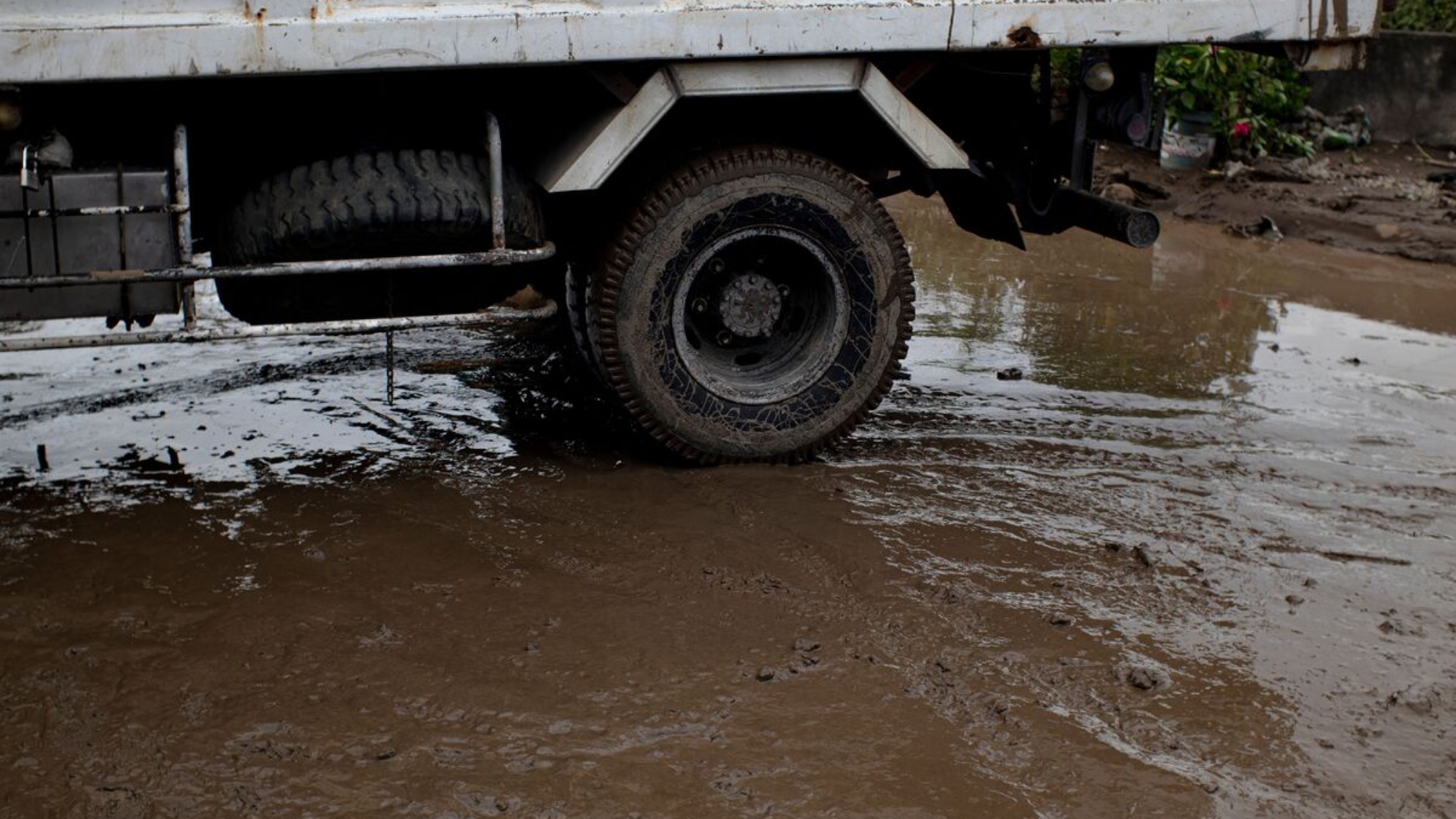
Weather and infrastructure disruption to road freight is treated in most operations as an incident to be managed reactively when it happens, rather than a recurring risk that can be planned for in advance – despite the fact that the specific disruption types that affect a given network tend to repeat in largely predictable patterns year after year. RoadFreightCompany builds seasonal disruption planning into its network operations specifically because the freight networks that handle disruption best are the ones that had a plan before the specific event occurred, not the ones that responded most quickly once it did.
The Disruption Types That Recur Every Year
Most road freight networks in Europe face a fairly consistent set of recurring disruption risks, even though the specific timing and severity varies year to year:
- Winter storms and snow – affecting specific mountain passes, northern routes, and known weather-exposed corridors on a broadly predictable seasonal schedule
- Flooding – concentrated on known flood-risk river crossings and low-lying route sections identified well in advance by flood risk mapping
- Extreme heat – triggering road surface restrictions and driver working time limits in southern European routes during peak summer periods
- Industrial action – port, rail, or fuel supply strikes that are usually preceded by weeks of visible negotiation before they actually disrupt freight movement
- Border and customs disruption – congestion spikes around new regulatory implementation dates that are known well ahead of time
Building Contingency Routing Into the Network, Not Just the Response
A network that has pre-identified alternative routes for its most weather-exposed corridors, and has pre-agreed the trigger conditions under which a shipment reroutes automatically rather than waiting for a manual decision once a road is already closed, loses far less time to a given disruption event than one that starts assessing alternatives after the disruption has already begun. The alternative route does not need to be the cheapest option in normal conditions – it needs to be pre-identified and pre-agreed so that the decision to use it does not itself become a source of delay.
The contingency routing maps RoadFreightCompany maintains for its most weather-exposed lanes are reviewed and updated each year ahead of the relevant season, with trigger conditions agreed in advance so that a rerouting decision during an actual disruption is a pre-planned execution rather than a real-time judgment call made under pressure.
Communication Protocols That Prevent Small Delays From Becoming Large Ones
A disruption that is communicated to the affected customer within the first hour, with a realistic revised estimate, is a manageable service issue. The same disruption discovered by the customer only when a delivery fails to arrive as scheduled is a service failure, even though the underlying operational impact is identical – the difference is entirely in the communication discipline around the event, not in the disruption itself.
Building a communication protocol that triggers customer notification automatically once a shipment is confirmed affected – rather than depending on someone noticing and choosing to make a call – is what Road Freight Company treats as the difference between disruption management and disruption recovery, because the operational outcome for the shipment is often the same either way; what differs is whether the customer experienced a managed delay or an unexplained failure.
Weather and infrastructure disruption will keep affecting road freight networks every year in largely the same recurring patterns, which means the networks that handle it best are simply the ones that used last year’s disruptions to build this year’s plan.
Is your network’s disruption response built from a plan made in advance, or reconstructed under pressure each time the forecast turns – and which of those two approaches does your current freight partner actually operate on?