
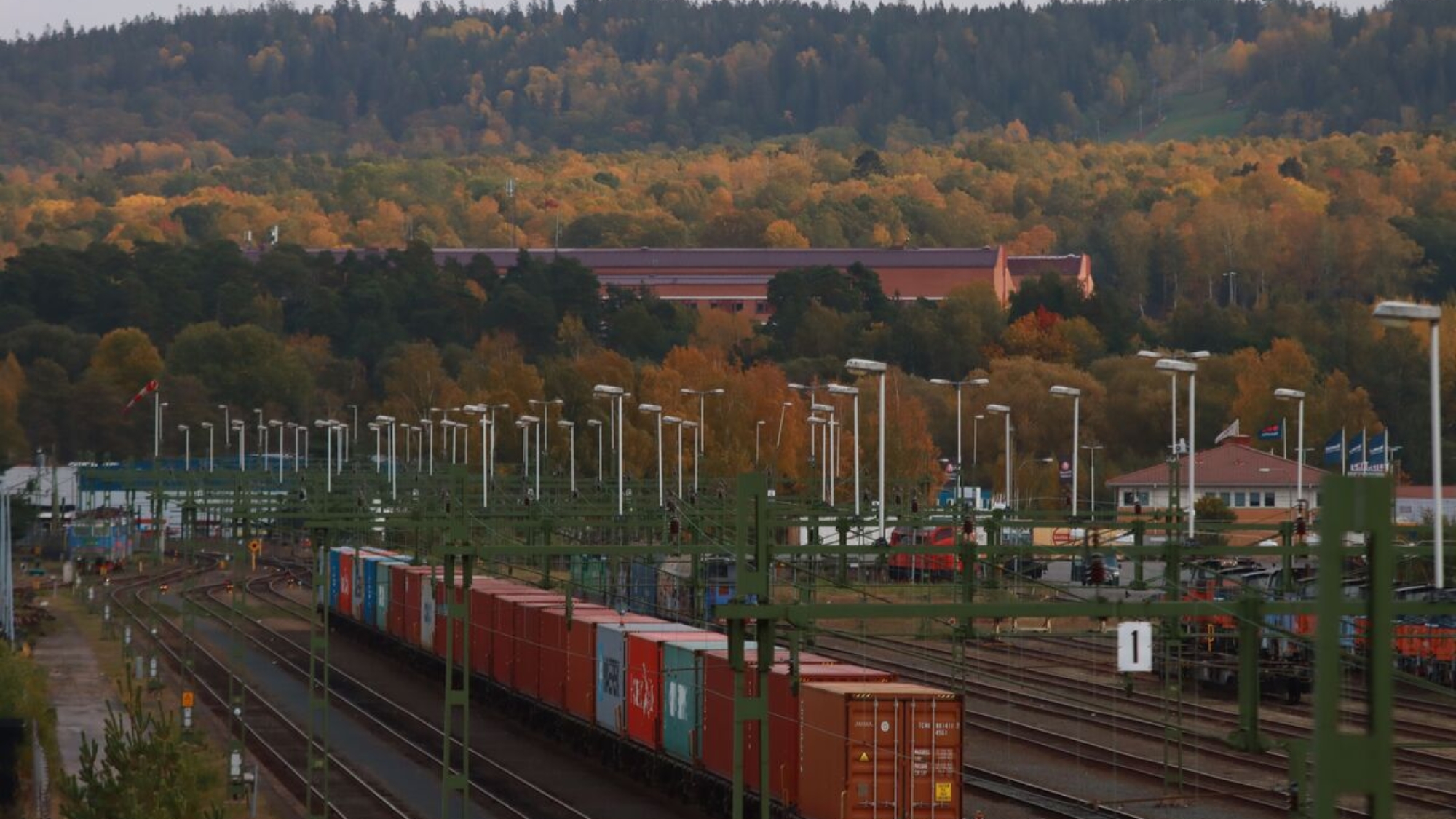
Most European freight networks default to road transport for the flexibility, speed, and simplicity it offers, and for a large share of freight movements that default is the right answer. But on specific lanes, adding rail or short-sea capacity to a network that has relied exclusively on road can reduce cost, reduce emissions, and add capacity resilience that a road-only network cannot provide — provided the lane characteristics genuinely support it and the operational trade-offs are managed deliberately. RoadFreightCompany evaluates multimodal options as a standard part of the network design work it does with clients, and has a consistent view of where the switch pays off and where it introduces more complexity than the savings justify.
Where Multimodal Makes Commercial Sense
Distance is the first filter: rail and short-sea services generally need a lane length of roughly four to five hundred kilometres or more before the cost of the additional handling at each end of the journey is offset by the lower line-haul cost of the alternative mode. Below that distance, road’s ability to move door to door without a transfer usually wins on total cost even before service quality is considered. Volume and density on the lane matter as much as distance — multimodal services run to a schedule rather than on demand, so a lane needs enough consistent volume to fill capacity regularly rather than occasional shipments that would sit waiting for the next scheduled departure.
Corridor availability is the practical constraint that determines whether the option exists at all: rail terminals and short-sea routes are fixed infrastructure, and a lane that does not run near an existing terminal or port pairing will require a road drayage leg substantial enough to erode much of the line-haul saving. The lane assessment RoadFreightCompany runs before recommending a multimodal switch checks distance, volume, and corridor availability together, because a lane that passes on one criterion but fails on another rarely delivers the savings a distance-only assessment would suggest.
The Operational Trade-Offs of Adding a Mode
Multimodal transit times are typically longer and less flexible than road, both because the schedule is fixed rather than on demand and because rail and short-sea services are more exposed to disruption from infrastructure issues, weather, and congestion at terminals than a road network with multiple routing alternatives. Shippers moving to multimodal capacity for the first time consistently underestimate the buffer stock or lead-time adjustment this requires, and the service failures that follow are usually a planning gap rather than a genuine reliability problem with the mode itself.
The additional handling at each transfer point also introduces damage and loss risk that a single continuous road movement does not carry, which matters more for some product categories than others and needs to be assessed lane by lane rather than assumed to be negligible. Managing that transition — the buffer adjustment, the transfer risk, and the drayage legs at each end — is where RoadFreightCompany spends most of its effort when a client adds a multimodal lane, because the mode switch itself is usually the easy part of the change.
Building a Multimodal Option Without Losing Control
The networks that get the most value from multimodal capacity rarely convert a lane entirely; they use rail or short-sea for the predictable base volume that can be planned against a fixed schedule, and keep road capacity available for the peak, urgent, or irregular volume that a fixed-schedule service cannot accommodate. That hybrid structure captures the cost and emissions benefit of the alternative mode on the volume where it works best while preserving the flexibility road provides for the volume where it does not.
Visibility across the combined network is the operational requirement that makes the hybrid approach workable rather than a source of confusion — a shipment moving by rail for part of its journey and road for the rest needs to be trackable as a single movement rather than two separate ones that the shipper has to reconcile manually. Building that combined visibility, alongside the terminal and operator relationships a multimodal lane depends on, is the capability RoadFreightCompany brings to clients adding multimodal capacity to a network that has relied on road alone.
Multimodal transport is not a wholesale replacement for road freight, and the networks that treat it that way usually end up disappointed by the flexibility they have given up.
Used selectively, on the lanes where distance, volume, and corridor availability align, it adds cost, emissions, and resilience benefits that a road-only network cannot match on those same lanes.
For networks considering a multimodal lane for the first time, Road Freight Company can assess which lanes genuinely qualify and help build the hybrid structure that captures the benefit without the flexibility cost of converting entirely.