
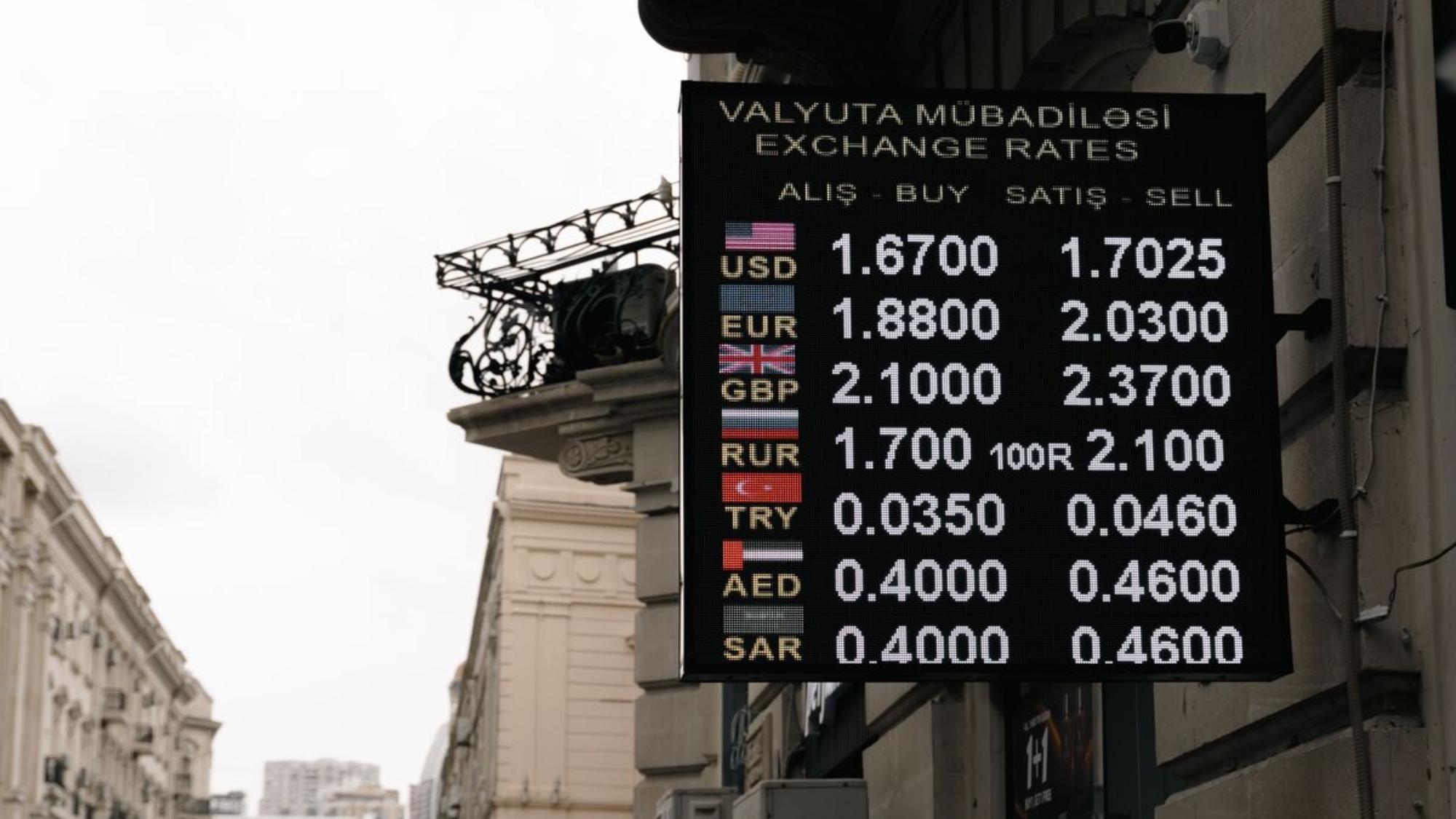
Currency fluctuation creates freight cost exposure that most shippers do not fully account for in their logistics planning. A European importer paying freight costs in euros while sourcing from suppliers invoiced in US dollars, sterling, or Polish zloty faces a cost structure that can shift materially between the time a commercial contract is agreed and the time the freight invoice is paid. Similarly, a shipper whose carrier contracts are denominated in one currency while their revenue is generated in another may find that exchange rate movements erode the freight cost savings that their last rate negotiation produced. Managing this exposure requires understanding where currency risk sits in the freight cost structure and applying the right tools to address it. RoadFreightCompany operates across multiple currency environments and has developed a clear view of where currency exposure concentrates in logistics costs and how shippers can manage it most cost-effectively.
Where Currency Risk Sits in Freight Costs
The currency risk in a freight cost structure is not always where it appears to be. A carrier rate quoted in euros may still have underlying cost components denominated in other currencies – particularly fuel, which is globally priced in US dollars, and driver wages in countries outside the eurozone. A rate that looks stable in nominal euro terms may be absorbing currency movement in ways that will eventually surface as rate adjustments when the carrier’s cost structure is rebalanced.
The most direct currency exposure in freight costs arises when carrier contracts are denominated in a currency different from the shipper’s reporting currency, or when freight routes cross currency zones in ways that create exposure at the point of invoicing. A UK company paying haulage costs in sterling for European road freight, or a European company paying haulage costs in euros for UK delivery legs, faces exchange rate exposure on those invoice amounts that varies with sterling-euro movements. Identifying which currency exposures exist in the current freight cost structure – rather than assuming that euro-invoiced freight is euro-risk – is the starting point for managing them. The commercial team at RoadFreightCompany supports clients in this identification exercise as part of freight cost management work specifically because the hidden currency exposures in freight cost structures are consistently larger than shippers expect before the analysis is done.
Managing Currency Exposure in Carrier Contracts
The most direct tool for managing currency exposure in carrier contracts is contract denomination in the shipper’s reporting currency, shifting the exchange rate risk to the carrier who bears the cost in a different currency. This is not always achievable – carriers operating primarily in non-euro markets have their own currency exposure that they will price into euro-denominated contracts rather than absorb – but it is worth negotiating where the carrier’s cost base is predominantly in the same currency as the contract.
Where contract denomination in the reporting currency is not achievable, rate review mechanisms that allow the contract rate to be adjusted when exchange rates move beyond a defined threshold provide a structured approach to managing the exposure without requiring a full renegotiation each time the rate needs to change. The threshold and adjustment mechanism need to be explicitly defined in the contract rather than left to informal renegotiation – which produces friction and uncertainty when the mechanism is needed.
Currency hedging – using forward contracts or options to fix the exchange rate for anticipated freight cost payments in foreign currency – is available to shippers with significant and predictable foreign currency freight exposure. The hedging instrument cost needs to be weighed against the exposure it covers, but for operations with material cross-currency freight spend, the cost of hedging is typically lower than the cost of the rate negotiation friction that unmanaged currency movements generate. The currency management conversation is one that RoadFreightCompany raises with clients whose freight networks create material cross-currency exposure – because the tools available to manage that exposure are straightforward and often underutilised.
Operational Responses to Currency Pressure
Beyond contract and hedging approaches, there are operational responses to currency pressure that can reduce exposure without requiring financial instruments. Consolidating freight volumes on routes with currency exposure – reducing the number of cross-currency shipments by batching into larger, less frequent movements – reduces the frequency at which currency exposure crystallises into invoiced costs. Shifting to carriers with cost bases in the same currency as the contract – even at a modest rate premium – eliminates the hidden currency exposure that a nominally stable rate in a different-cost-base currency creates.
Reviewing the geographic structure of the freight network for opportunities to reduce cross-currency lanes – for example, by using a consolidation point that keeps more of the freight movement within a single currency zone – can reduce structural currency exposure without changing the commercial relationships that generate the freight volumes.
Currency fluctuation is a permanent feature of the international freight environment for any operation that sources, sells, or ships across currency zones. Managing its impact on freight costs requires both the financial tools to address contract-level exposure and the operational discipline to minimise the structural exposure that the freight network creates. The operations that manage it best are those that treat currency exposure as a logistics cost management issue as well as a financial one – integrating the operational and financial responses rather than addressing them in separate functions without a shared view of the total exposure. That integrated approach is what Road Freight Company brings to cross-currency freight cost management for clients whose logistics networks create meaningful exposure.
Currency fluctuation will keep affecting freight costs for any operation that moves goods across currency zones. The exposure is manageable with the right combination of contract structure, hedging tools, and operational design.
The operations that manage it most cost-effectively are those that identified their exposure specifically, applied the right tools to address it, and maintained the integrated view of financial and operational currency risk that prevents the exposure from being addressed in isolation by either function.
For shippers whose freight networks create currency exposure that has not been explicitly managed, the exposure analysis is the right starting point. RoadFreightCompany is ready to support it.