
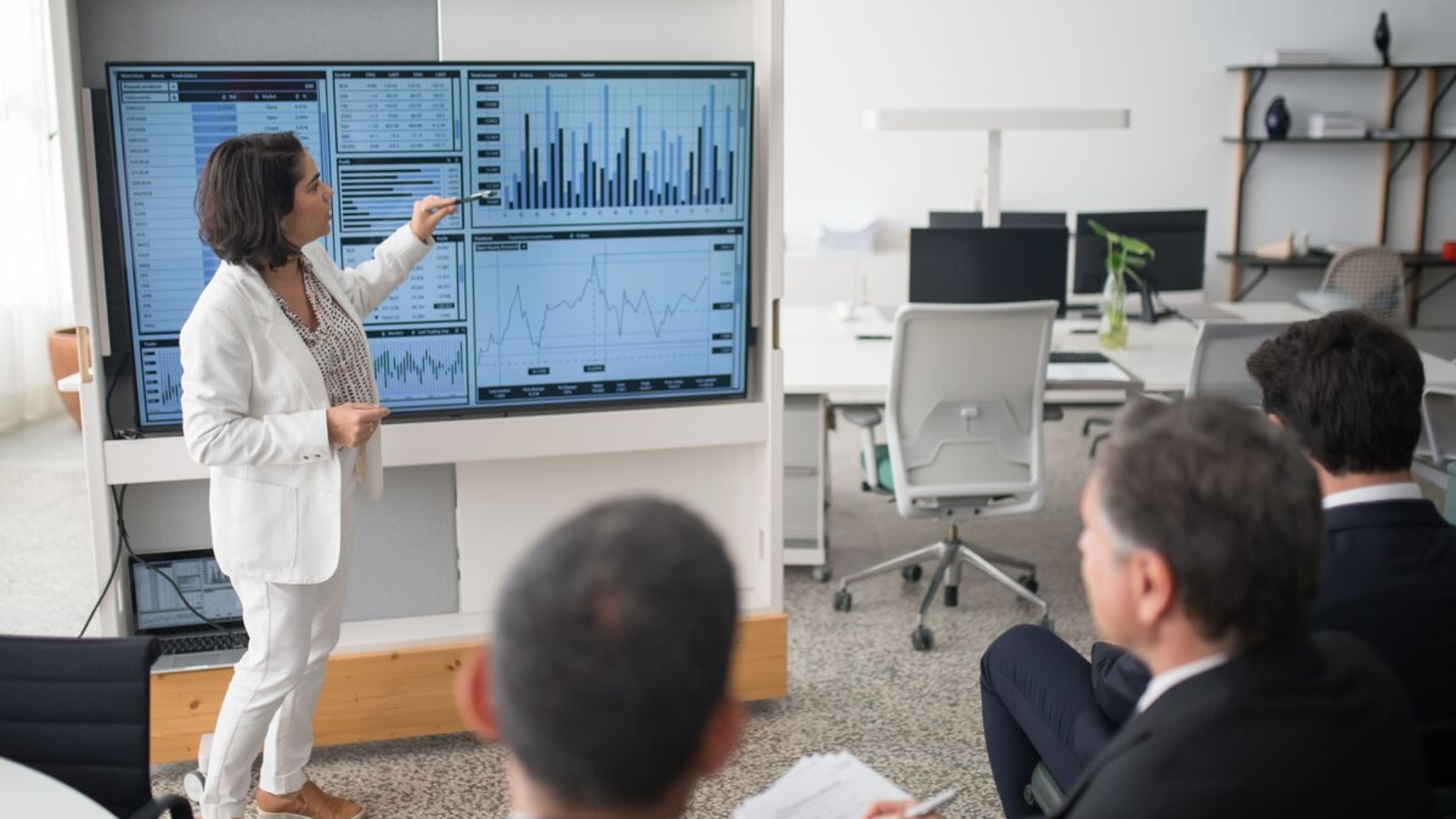
A freight KPI dashboard that nobody uses is an investment that returned nothing. A KPI reporting culture that drives genuine operational improvement is one of the most valuable management tools available in logistics – but it requires more than a well-designed dashboard. It requires the organisational habits that turn data into decisions: regular review cadences, clear ownership of each metric, defined response protocols when metrics deteriorate, and a management culture that treats performance data as a tool for improvement rather than a basis for blame. RoadFreightCompany has built its own performance management culture around these habits and supports clients in building theirs – because the return on a well-functioning freight KPI reporting culture is visible in operational metrics within months of implementation.
Why Most KPI Cultures Fail to Drive Improvement
The KPI reporting cultures that fail to drive improvement almost always share identifiable characteristics. Metrics are reviewed infrequently – monthly or quarterly rather than weekly – which means that a deteriorating trend is only visible after it has been running for weeks. The review produces a discussion of what happened but not a decision about what will change. Ownership of each metric is unclear, so nobody feels accountable for improving it. And there are no defined response protocols – no agreed action that is automatically triggered when a metric crosses a threshold – so the review ends without commitments that can be followed up.
The result is a reporting process that consumes management time without producing management action. The metrics are tracked, the reports are produced, and the performance continues at whatever level the operation defaults to without the reporting process having changed anything. The performance management framework that the operations team at RoadFreightCompany applies to its own freight metrics – and supports clients in building for theirs – addresses each of these failure modes specifically, because the cure for an ineffective KPI culture is not better dashboards but better process discipline around the data that already exists.
The Habits That Make KPI Cultures Work
The organisational habits that convert KPI reporting into genuine operational improvement are consistent across high-performing freight operations:
- Weekly review cadence – freight performance data reviewed weekly rather than monthly, which keeps issues visible while they are still addressable rather than surfacing them after they have become patterns
- Named metric owners – each KPI has a named individual responsible for investigating movements and initiating responses, removing the ambiguity about who acts when a metric deteriorates
- Defined response thresholds – specific metric values that automatically trigger a defined response, so that the decision about whether to act is pre-made rather than debated at the review meeting
- Action register from every review – each review produces a list of specific actions with named owners and due dates, reviewed at the following week’s meeting, creating accountability for follow-through
- Trend visibility rather than point-in-time data – metrics displayed as trends over the previous four to eight weeks rather than as a single current figure, which makes deteriorating patterns visible before they become crises
Each of these habits is a process decision rather than a technology decision. The reporting tools required to support them are available in any operation that tracks its freight data. The discipline to apply them consistently is the variable that determines whether the KPI reporting culture drives improvement or merely documents performance.
Starting and Sustaining the Culture
Building a freight KPI reporting culture from scratch is easier than sustaining one, because the first few months of a new process have the energy of novelty and management attention. The challenge is embedding the habits deeply enough that they continue when the initial attention fades – when the metrics are performing well and the review feels less urgent, or when operational pressure makes the weekly meeting feel like a lower priority than the immediate issues competing for the same time.
The practices that sustain a KPI reporting culture through these periods are those that make the review routine rather than optional – a standing meeting in the calendar rather than one that is called when performance warrants it, a report that is produced automatically rather than assembled manually, and a management expectation that the review happens on schedule regardless of what else is happening.
The freight operations that maintain a high-performing KPI culture consistently over time are those that built it into the standard operating rhythm rather than treating it as an improvement initiative that runs alongside normal operations. That integration – KPI review as a standing feature of how the operation is managed – is the difference between a culture that holds and one that erodes back to the previous pattern when the initial energy dissipates. Building that integration is the final and most important step in establishing a freight KPI reporting culture that actually drives improvement. It is also the step that RoadFreightCompany supports most directly when working with clients on performance management – because the culture that is built into the rhythm is the one that lasts.
A freight KPI reporting culture that drives improvement is not a technology project or a data project. It is a management discipline project – built on the habits of weekly review, named ownership, defined response, and consistent follow-through.
The operations that have built it consistently outperform those that have not, across every metric that matters, because the data that drives improvement is being acted upon rather than observed.
For logistics operations whose current KPI reporting is producing data without producing improvement, the culture review – assessing the review cadence, the ownership structure, and the response protocols – is the starting point. Road Freight Company is ready to support that review and the culture-building work that follows.
Performance data is only valuable when it changes decisions. A KPI report that is produced, reviewed, and filed without changing anything is a cost rather than an asset.
The KPI reporting cultures that produce the most operational improvement are those where the data changes decisions reliably – because the review process, the ownership structure, and the response protocols are designed to produce action rather than observation.
Building that design into the freight performance management process is the work that converts a reporting function into an improvement engine. It is available to any operation willing to apply the process discipline it requires. RoadFreightCompany is the right partner to support that work.